







Hypersonic Flight Evolution
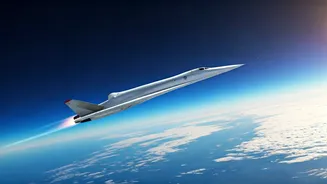
Hypersonic flight, capable of speeds exceeding Mach 5 (five times the speed of sound), is poised for a significant leap. By 2025, we can anticipate seeing
practical hypersonic vehicles, transforming travel times dramatically. This advancement promises to slash travel times across continents, making journeys that once took hours, or even days, significantly shorter. Imagine flying from Delhi to New York in just a few hours. This is no longer a futuristic fantasy but a tangible possibility. Key to this development are advanced materials that can withstand extreme heat and pressure, along with sophisticated propulsion systems designed to operate efficiently at such blistering speeds. The implications extend far beyond passenger travel, potentially revolutionizing cargo transport and national defense capabilities. The aerospace industry is investing heavily in this area, with multiple companies and research institutions racing to develop and test prototypes, driven by the desire to bring this transformative technology to fruition. The dream of swift, global travel is rapidly becoming a reality.
Reusable Launch Systems
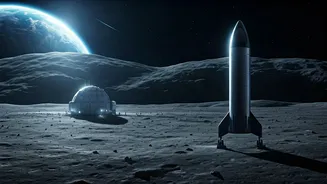
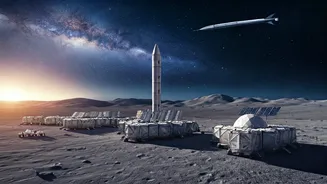
The shift towards fully reusable launch systems is set to accelerate by 2025, drastically cutting the cost of space access. This is achieved by recovering and reusing rockets instead of discarding them after a single use. The advantages are numerous; lower costs per launch, greater frequency of missions, and expanded opportunities for space exploration and research. Companies are already demonstrating impressive progress in this area, with rockets landing successfully after missions. This reuse approach reduces manufacturing expenses and contributes to a more sustainable space industry. The focus is now on improving the reliability, efficiency, and safety of these reusable systems to make them routine. This development is crucial for facilitating ambitious space projects, like building space stations, lunar bases, and even expeditions to Mars, making these endeavors more financially viable and accessible. The continuous refinement and widespread adoption of reusable launch systems will open up space to a broader range of participants, fostering innovation and exploration.
Advanced Satellite Technology
Satellites are becoming more sophisticated, versatile, and essential to modern life, with a boost expected by 2025. We can expect to see significant developments in areas such as satellite miniaturization, advanced sensor technology, and improved communication capabilities. Miniaturization allows for the deployment of constellations of smaller, more affordable satellites, enabling high-resolution Earth observation, better weather forecasting, and enhanced global internet connectivity. These smaller satellites can also be launched more easily and frequently. The advancements in sensor technology are also very important, allowing for a wider range of observations and data collection, from tracking climate change to monitoring environmental conditions. Improved communication capabilities will enable faster data transmission and better connectivity, which is vital for both commercial and scientific purposes. The integration of artificial intelligence and machine learning into satellite operations will further enhance their capabilities, from autonomous navigation to automated data analysis. These advancements in satellite technology will significantly impact fields like agriculture, disaster management, and telecommunications.
Space-Based Solar Power
The concept of space-based solar power, in which solar energy is harvested in space and transmitted back to Earth, is gradually gaining traction, and we could see initial demonstrations by 2025. Space offers an ideal environment for collecting solar energy, with uninterrupted sunlight and no atmospheric interference. The potential is vast; it provides a clean, sustainable energy source capable of meeting global energy demands. The technology involves deploying large solar arrays in orbit, converting sunlight into electricity, and beaming the energy to receiving stations on Earth. Key challenges include the construction and maintenance of these massive space structures, as well as the safe and efficient transmission of energy across the vast distances between space and Earth. While the cost of building and deploying such systems is high, the long-term benefits in terms of clean energy and reduced reliance on fossil fuels are significant. Research and development efforts are focused on improving the efficiency of solar panels, developing cost-effective launch methods, and addressing the technical challenges related to energy transmission and reception. If successfully implemented, space-based solar power could significantly contribute to the transition to a sustainable energy future.
Next-Gen Space Exploration
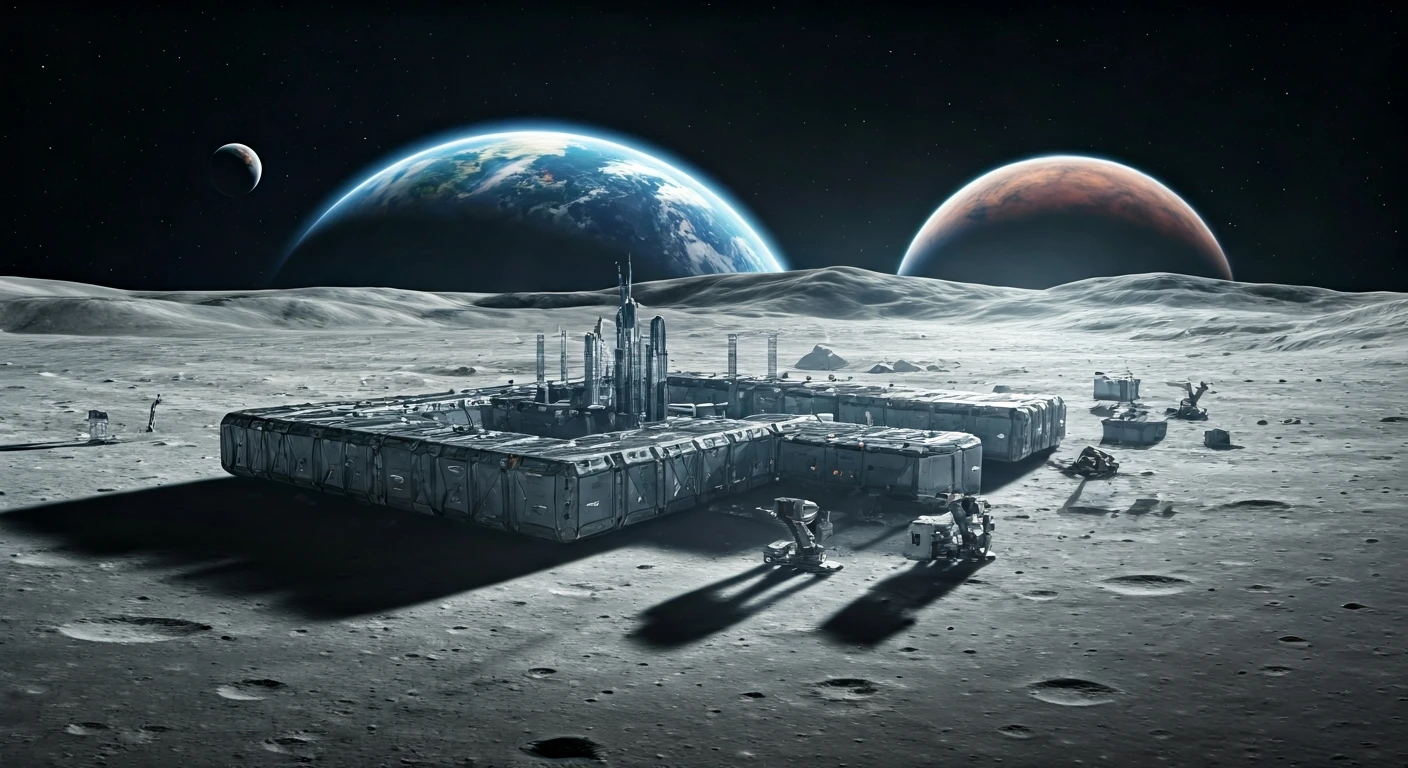
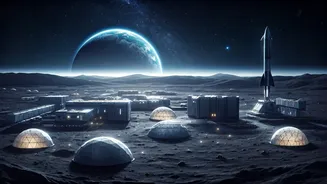
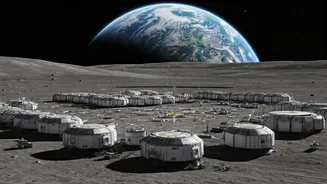
Space exploration will be undergoing a revolution by 2025, with a focus on deep-space missions and ambitious projects. Expect advancements in propulsion systems, spacecraft design, and robotic exploration technologies. There is increasing interest in missions to Mars, the Moon, and other celestial bodies. The development of advanced propulsion systems, such as ion drives or even nuclear thermal rockets, will significantly shorten travel times, allowing for more ambitious missions. Spacecraft designs will become more adaptable and capable of withstanding the harsh conditions of space. Robotic exploration will continue to play a pivotal role, with rovers and landers providing valuable data and paving the way for future human missions. International collaborations are also becoming more common, pooling resources and expertise to achieve shared goals in space exploration. These efforts require sustained investment, international cooperation, and a willingness to push the boundaries of what is possible. The progress in space exploration, by 2025, will open the door to new discoveries and opportunities, expanding our understanding of the universe and inspiring future generations to reach for the stars.