

Culinary Introduction
Northeast India, a land of stunning landscapes and rich cultural diversity, boasts a captivating culinary heritage. The region's cuisine reflects a blend
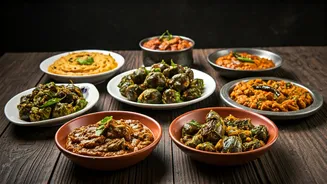
of indigenous ingredients, unique cooking techniques, and influences from neighboring countries like Myanmar, Tibet, and Bhutan. Each of the seven sister states—Arunachal Pradesh, Assam, Manipur, Meghalaya, Mizoram, Nagaland, and Tripura—offers its own distinct flavors and specialties. These culinary traditions are deeply rooted in the local culture and history, passed down through generations. The food often showcases fresh, locally sourced ingredients like bamboo shoots, fermented soybeans, and various types of leafy greens. The use of aromatic herbs and spices, along with distinctive cooking methods like smoking and fermentation, further defines the unique character of Northeast Indian cuisine. It is a world where every dish tells a story, offering both unique tastes and a journey to explore a new culture.
Assam: The Gateway
Assam, often called the gateway to Northeast India, features a cuisine characterized by its subtle use of spices and the prominent use of fresh herbs. One of the most iconic dishes is 'Masor Tenga,' a tangy fish curry prepared with tomatoes, lemon, and other souring agents. Duck meat is another popular ingredient, often cooked with pumpkin or other vegetables. 'Khar,' a dish made with dried banana leaves, is a must-try. The use of rice, especially 'Joha rice,' is significant, showcasing the state's rice farming heritage. Rice is the staple food, usually consumed with various curries and side dishes. Assamese cuisine has a unique approach to food preparation, which emphasizes the freshness of ingredients and the use of minimal oil, making it comparatively light and healthy. The influence of neighboring regions is evident in some dishes, but Assam’s food maintains its original character and remains true to its culture.
Manipur: Aromatic Flavors
Manipur's cuisine, known for its bold flavors, is heavily influenced by the use of fermented products and an array of herbs and spices. 'Eromba,' a savory dish made with fermented fish, vegetables, and potatoes, is a local favorite. Another signature dish is 'Singju,' a spicy salad made with various vegetables, herbs, and fermented fish or soybeans. The use of aromatic herbs and fresh chilies gives the dishes a unique flavor. The Manipuris are fond of rice, especially sticky rice, and it is a central part of every meal. The state’s cuisine also includes a variety of meat dishes, with a particular fondness for pork and fish. 'Chamthong,' a vegetable stew, is another important element of Manipuri cooking, illustrating the region's focus on fresh, seasonal produce. Food preparation is a communal activity, with the sharing of meals often playing a central role in strengthening social bonds.
Meghalaya: Taste of Hills
Meghalaya's cuisine reflects its mountainous terrain and tribal traditions. The state is known for its use of local produce and a blend of flavors, with a focus on meat and rice. 'Jadoh,' a rice dish cooked with pork blood, is a popular offering. 'Dohkhlieh,' a pork salad, is another delightful dish. The use of dried fish and bamboo shoots is also common. The local cooking style often involves slow cooking and smoking techniques, which enhance the unique taste of the dishes. Rice is again the staple, usually accompanied by various meat and vegetable curries. Meghalaya's cuisine is straightforward and honest, allowing the natural flavors of the ingredients to take center stage. The cuisine represents the state’s cultural richness and the close relationship its people share with the land.
Mizoram: Spiced Delights
Mizoram's cuisine, characterized by its reliance on locally sourced ingredients and a balanced use of spices, offers a unique culinary experience. The dishes are often mild but full of flavor. 'Bai,' a stew made with pork, spinach, and bamboo shoots, is a popular choice. Fish preparations are also a part of everyday life. The cooking methods often involve boiling or steaming, which highlights the ingredients’ natural flavors. Rice, once again, is a staple, typically eaten with curries and side dishes. Mizoram's cuisine is a reflection of its people's simple lifestyle and their harmony with nature. Their food habits focus on preserving the natural taste and nutritional value of the ingredients, promoting a healthy culinary style.
Nagaland: Spicy Heat
Nagaland's cuisine is known for its use of fiery chilies and smoked meats, offering a robust and bold culinary experience. The state's food is deeply influenced by its tribal roots and the availability of locally sourced ingredients. 'Pork with bamboo shoot' is a common dish, showcasing the use of smoked meats. 'Axone,' a fermented soybean product, is a key ingredient in many dishes. The cuisine is characterized by its high heat, using a variety of chilies and spices. Rice is a staple, but it is the preparation methods, particularly smoking and fermentation, that set Nagaland’s food apart. These techniques lend unique tastes and a lasting appeal. The flavors are intense and bold, giving a taste of the Naga people's rich cultural heritage and their adaptability to their harsh natural environment.
Tripura: Blend of Cultures
Tripura's cuisine is a mix of tribal influences and Bengali culinary traditions. This offers a unique food experience within the Northeast. The cuisine is known for its wide use of fish and other seafood. 'Mui Borok,' a traditional dish made with fermented fish, is a signature. The use of various herbs, spices, and locally grown vegetables is also a key feature. Rice is the staple food, usually complemented by fish or meat curries and vegetable preparations. Tripura’s food preparation style is influenced by the state’s cultural diversity. Dishes often combine traditional tribal cooking methods with Bengali culinary influences, yielding a diverse and satisfying culinary tapestry. This blend showcases Tripura's rich cultural heritage.
Arunachal Pradesh: The Hidden Gem
Arunachal Pradesh's cuisine is largely influenced by its various tribal communities. It's known for its unique ingredients and cooking methods. 'Thukpa,' a noodle soup, is a common offering, and the use of bamboo shoots is also prominent. 'Apong,' a local rice beer, is an integral part of the local culture and complements the dishes. The cooking style is typically simple, emphasizing the natural flavors of the ingredients. Meat, especially pork and Mithun (a local bovine), is a key part of the diet. Rice is, once again, the staple. Arunachal Pradesh's food is a true reflection of the state's diverse culture. The food provides insight into the state’s tribal customs, which value a simple lifestyle and respect for the environment.
Key Ingredients & Flavors
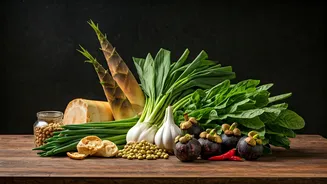
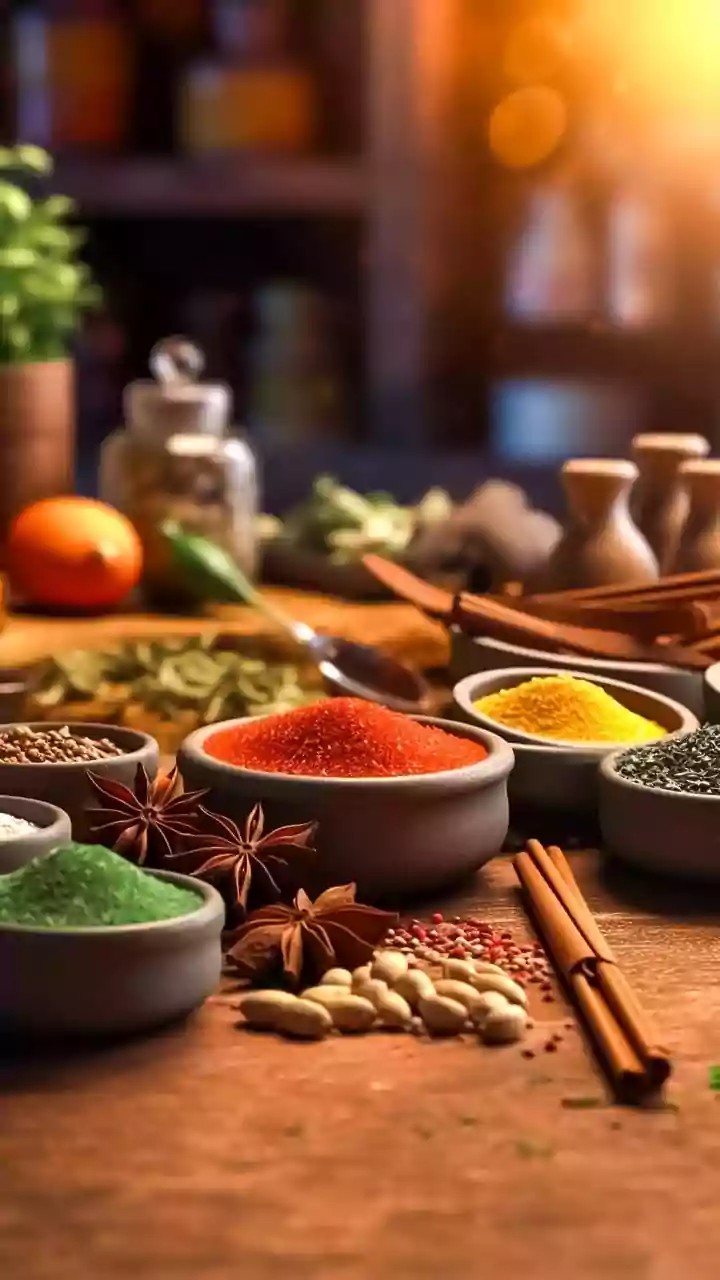
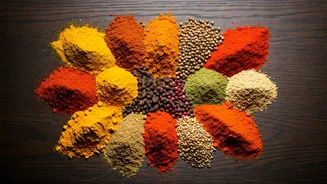
Northeast Indian cuisine features several unique ingredients that contribute to its distinctive flavors. Bamboo shoots are used extensively in many dishes. Fermented soybeans are also a key ingredient, especially in states like Manipur and Nagaland. Various types of leafy greens and herbs provide freshness and nutritional value. The use of a variety of chilies and spices provides the signature heat, especially in Nagaland and Manipur. Cooking methods like smoking and fermentation add to the complex flavor profiles. The region's cuisine is often defined by its simplicity, with the natural flavors of the ingredients being the focal point. This creates a symphony of unique and exciting tastes that set Northeast Indian cuisine apart.
Culinary Journey Ends
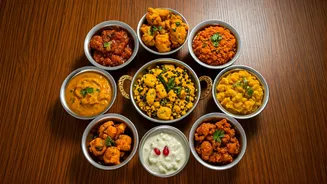
Exploring Northeast Indian cuisine is an experience in itself. From the tangy curries of Assam to the spicy dishes of Nagaland, each state offers a distinct culinary journey. The cuisine reflects the region's cultural diversity, highlighting its unique flavors and cooking methods. It is an exploration of the ingredients, cooking styles, and the people behind the food. So, whether you are a seasoned foodie or just curious, Northeast Indian cuisine is sure to delight and surprise. It is a world where every meal is a discovery. Exploring the dishes is not just about eating; it is an immersion into the history, traditions, and essence of Northeast India. So, the next time you are looking for a new culinary adventure, consider the Northeast!