







Growth and Outlook
According to a UN report, India's growth is estimated at 6.6%. This indicates a steady upward trend in the nation's economic output, although external
factors and internal challenges could potentially influence its momentum. Infrastructure development, for example, is highlighted by the approval of Rs 26,000 crore investment for the Kamala Hydro Project by PIB. This type of significant investment points to the government's focus on boosting energy production, which, in turn, can spur economic expansion. Likewise, investments in sectors like solar energy, where Tata Power plans to build a 10 GW solar plant in Andhra Pradesh, demonstrate the drive towards sustainable energy sources. These efforts play a vital role in fueling economic progress by generating employment opportunities and drawing further investments.
Market Dynamics Unveiled
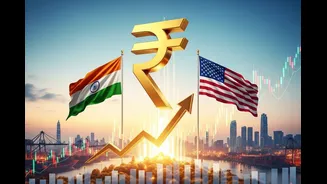
Market indicators reveal a mixed picture. The stock market encountered dips stemming from foreign outflows and tariff concerns. The Rupee depreciated against the US dollar, also reflecting FII outflows, showing the influence of global capital flows on the Indian currency. However, some sectors showcase signs of optimism, as illustrated by the rise in copper, aluminium, crude oil, guar gum, coriander, and zinc futures driven by spot demand and fresh investments. These commodities benefit from specific demands and trading activities, which is indicative of the health of related industries and the investment appetite in the market. Simultaneously, the real estate market is seeing a more cautious trend. Keystone Realtors saw a 3% decline in Q3 sales, totaling Rs 837 crore. This downturn may mirror broader economic uncertainties or adjustments within the sector, influencing investment trends and consumer sentiment.
Policy and Reforms
The government is rolling out pivotal policies designed to stimulate economic activity. The extension of the PLI scheme and the goal of tax certainty were major points of discussion in the 2024 budget. These measures are designed to attract investments, foster job creation, and improve industry competitiveness. Additional reforms include Sebi's efforts to facilitate digital signatures for FPIs, streamlining market operations, and ASEAN-India trade pact reviews aimed at improving market access. The textile industry is also a focus area, with the Centre signing agreements with 15 states. Furthermore, the textile sector is targeting district-led growth as part of its transformation plan. Such initiatives boost various sectors, offering incentives and opening up opportunities for both domestic and international investors. The interplay of these measures will likely determine the pace and form of economic progress.
Sector-Specific Highlights
Several sectors are undergoing significant developments. The textile industry shows growth through agreements and district-led growth plans. The infrastructure sector sees initiatives such as Tata Power's 10 GW solar plant, emphasizing the shift toward renewable energy. Furthermore, the solar energy sector benefits from Saatvik Green Energy's Rs 21-crore solar project. The manufacturing sector is witnessing alliances, such as the Bharat Forge and Agile Robots partnership, which focuses on AI automation. The steel industry also reveals intentions of a Rs 4,000 crore IPO push. The food processing sector is also looking hopeful, with Chirag Paswan expressing hope for growth in the budget. Simultaneously, the mobile tariffs are expected to rise. Finally, the acquisition by Bajaj Group of a stake from Allianz for Rs 21,390 crore showcases considerable business deals.
Challenges and Outlook
Despite positive developments, the Indian economy faces persistent challenges. Foreign outflows and tariff concerns have impacted market sentiment and currency value. India's trade relationship with the US faced setbacks, and the recent trade talks were unsuccessful. The textile sector’s transformation plan and the review of the ASEAN-India trade pact are necessary to mitigate the risks from external factors. Additionally, there are hurdles in the real estate sector, which can affect the overall business confidence. Despite these challenges, India’s drive for infrastructure and renewable energy, coupled with policy reforms, suggest a resilient approach. The course of India's economy will depend on effectively addressing these issues while leveraging its strengths and opportunities in a changing global landscape.