




Mirrorless Revolution Begins
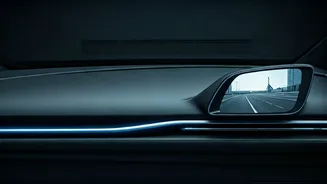
The automotive industry is embracing a significant shift, moving away from conventional side mirrors towards sophisticated camera-based systems. These
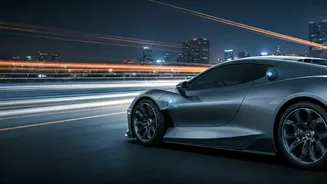
innovations replace the familiar glass and plastic housings with discreet exterior cameras that feed real-time imagery to interior display screens. This transformation is driven by a desire to enhance vehicle aerodynamics, thereby reducing wind resistance and noise pollution, leading to a quieter and more efficient ride. Furthermore, these digital systems are engineered to provide drivers with a clearer and often wider field of vision, mitigating blind spots and improving overall safety. Several manufacturers have already begun integrating this cutting-edge technology into their select models, signaling a potential widespread adoption as technology continues to advance and regulations evolve to accommodate these new mirrorless designs.
Pioneering the Digital Mirror
The adoption of digital mirror systems is spearheaded by several prominent automotive brands, introducing this futuristic technology to discerning drivers. One such model is the Audi e-tron, which offers virtual side mirrors in specific international markets, seamlessly blending advanced aerodynamics with superior visibility. Similarly, the Lexus ES made waves as one of the pioneering production vehicles in Japan to adopt digital side mirrors, utilizing cameras and screens in place of conventional mirrored surfaces. The Honda e fully embraces this concept, replacing traditional mirrors entirely with camera displays, which not only contributes to its modern aesthetic but also significantly boosts its aerodynamic efficiency as an electric hatchback. Further enhancing the trend, the Hyundai Ioniq 5 is available with digital side mirrors in select regions, using exterior cameras and interior screens to augment driver sightlines and minimize drag. Rounding out this vanguard of mirrorless innovation is the Genesis GV60, which features camera-based side mirrors in certain countries, refining its design, aerodynamics, and crucially, the driving visibility for its occupants.