





Young Adults Hit Hard
Recent findings from the Indian Council of Medical Research (ICMR) paint a concerning picture: a substantial proportion, specifically one in seven stroke
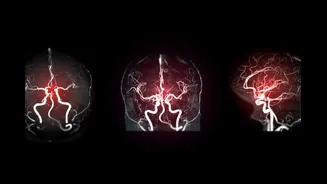
patients in India, are now within the 18-44 age bracket. This trend is not just a statistic but a worrying indicator of escalating health challenges among India's youth. The analysis, which encompassed over 34,792 stroke cases across 30 hospitals between January 2020 and December 2022, underscores a significant shift in the demographic affected by this debilitating condition. Experts are noting a distinct increase in stroke incidents among younger individuals, a phenomenon attributed to a confluence of modern lifestyle factors. High stress levels, extended working hours, sedentary habits, the prevalence of smoking and alcohol consumption, and diets lacking nutritional value are identified as major culprits. Furthermore, increased screen time, inadequate sleep patterns, and even the lingering effects of COVID-19 are believed to be contributing factors to this unsettling rise in strokes among the younger population, who may also overlook regular health check-ups, exacerbating their risk.
Symptoms Often Ignored
A significant barrier to timely stroke treatment in India is the frequent dismissal of early warning signs, particularly among younger individuals. Many people fail to recognize the subtle yet critical indicators of a stroke, leading to dangerous delays in seeking medical attention. Commonly overlooked symptoms include sudden facial drooping, arm or leg weakness, especially on one side of the body, slurred or incomprehensible speech, feelings of confusion, dizziness, or a sudden, exceptionally severe headache. A particularly insidious aspect of this is the tendency to ignore transient ischemic attacks, or TIAs, often referred to as mini-strokes. These temporary episodes, characterized by symptoms that resolve quickly on their own, are frequently mistaken for minor issues. However, experts emphasize that TIAs are serious precursors and potent warning signals that a major stroke could be imminent. Recognizing these signs promptly and seeking immediate medical intervention can be the difference between life and death, or between significant disability and a much better chance of recovery. The most prevalent early indicators observed in studies include motor impairments and disturbances in speech.
The Critical Golden Hour
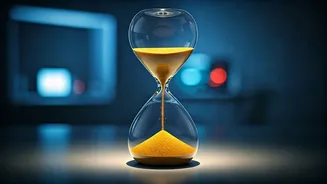
Medical professionals often refer to the initial hours following a stroke as the 'golden period,' a critical window where medical interventions are most effective. During this time, swift restoration of blood flow to the affected brain region is paramount. If treatment is not administered within this crucial timeframe, brain cells begin to die rapidly due to a lack of oxygen, a process that is irreversible. Delays significantly diminish the efficacy of available treatments, drastically increasing the likelihood of severe, long-term disabilities and potentially life-threatening complications. This damage can impair fundamental bodily functions such as movement, speech, vision, and coordination. The extent of brain damage tends to escalate over time, making the recovery process considerably more challenging. While treatments aimed at restoring blood flow, particularly for ischemic strokes which constitute about 60% of cases, are most effective within the first 4.5 hours and sometimes up to 24 hours, any postponement erodes their potential benefit. The principle is simple: the sooner treatment begins, the greater the chance of preserving brain function and mitigating the impact of the stroke.
Beyond 24 Hours: Dire Consequences
When a stroke is not recognized or addressed within the first 24 hours, the situation becomes critically dire. The window for effective, damage-reversing treatments closes, and the extent of permanent brain damage escalates. During a stroke, brain cells begin to perish within minutes due to oxygen deprivation. The longer this deprivation persists, the more extensive and irreversible the cellular death becomes. This prolonged delay can lead to permanent disabilities, manifesting as paralysis, persistent speech impediments, or significant memory loss. Treatments that could have potentially reversed the damage become ineffective after a certain point. Consequently, by the time medical help is eventually sought, the possibilities for recovery are greatly diminished, and the likelihood of complications rises substantially. Survival rates decline, and the quality of life post-stroke is severely impacted, with a reduced chance of returning to normal daily activities and independence. It is imperative to understand that every minute counts; once brain cells are lost, they cannot be regenerated. Therefore, immediate action is crucial; there is no benefit in 'waiting out' stroke symptoms.