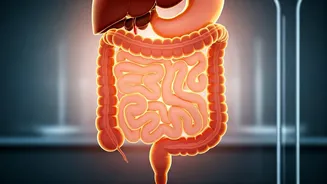








Acid Reflux Explained
Acid reflux, often known as heartburn, occurs when stomach acid backs up into the esophagus. This happens because the lower esophageal sphincter (LES),
a muscle that usually closes after food passes into the stomach, doesn't function correctly. This malfunction enables the acidic contents to flow back upwards. Several factors can contribute to this, including overeating, eating certain foods (like spicy or fatty foods), and lying down soon after a meal. Additionally, lifestyle choices like smoking and being overweight can increase the likelihood of acid reflux. This condition can lead to various uncomfortable symptoms, including the feeling of a lump in your throat.
Throat Pain Connection
The throat can be significantly impacted by acid reflux. When stomach acid surges back up into the esophagus, it can irritate the delicate lining of the throat. This irritation often results in a burning sensation and, in some cases, severe pain. This can lead to a sore throat that might feel similar to the symptoms of a cold or a flu, but without the fever. The acid can also inflame the vocal cords, leading to hoarseness or difficulty speaking. Moreover, the constant presence of acid in the throat can cause chronic inflammation, causing further discomfort and potential complications.
Identifying Symptoms
Recognizing the symptoms of acid reflux-related throat pain is critical for proper management. Aside from throat pain, individuals may experience a burning sensation in the chest (heartburn). Other common symptoms include a sour taste in the mouth, particularly when lying down. There might also be a sensation of food or liquid backing up into the throat. Persistent coughing, especially at night, can be another symptom. If these symptoms are accompanied by difficulty swallowing, hoarseness, or a feeling of something stuck in the throat, it is crucial to consult with a healthcare professional for diagnosis and appropriate treatment.
Treatment Strategies Available
Several effective strategies can help alleviate throat pain caused by acid reflux. Lifestyle modifications are usually the first step. This includes avoiding trigger foods such as spicy and fried foods, carbonated beverages, and chocolate. It's beneficial to eat smaller, more frequent meals instead of large ones and to avoid lying down immediately after eating. Elevating the head of the bed while sleeping can also help reduce acid reflux symptoms. Over-the-counter medications like antacids can provide immediate relief by neutralizing stomach acid. Other medications, like H2 blockers and proton pump inhibitors (PPIs), are more potent and decrease acid production. However, it's essential to consult a doctor before starting any medication, especially for long-term use.
Seeking Medical Advice
While many cases of acid reflux-related throat pain can be managed with lifestyle changes and over-the-counter medications, it is essential to know when to seek medical help. If the pain is severe or persistent, or if other symptoms like difficulty swallowing, weight loss, or black stools are present, a doctor should be consulted. Also, if over-the-counter treatments do not provide relief, medical evaluation is required. A healthcare professional can perform tests like an endoscopy to examine the esophagus and stomach and rule out any other underlying conditions. They can also recommend stronger medications or, in rare cases, surgical options for severe acid reflux.