






The Fit Paradox
A striking case involving a 37-year-old man, who meticulously followed a healthy routine of daily 5 km runs and a strict, junk-food-free diet, highlights
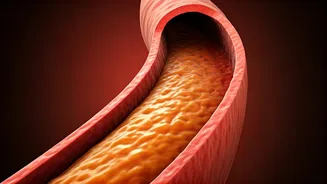
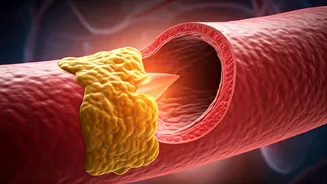
a concerning paradox in cardiovascular health. Despite his dedication to fitness and avoiding common vices like smoking and excessive drinking, this individual required two stents due to significant blockages in his heart's arteries. This scenario challenges the conventional wisdom that a physically active and clean-eating lifestyle is an impenetrable shield against heart disease. It underscores that external markers of health might not always reflect the internal state of our arterial well-being, prompting a deeper investigation into what else might be at play beyond diet and exercise.
Genetic Predispositions
Beyond overt lifestyle choices, a critical, often unexamined factor in heart health is genetics. Dr. Syed Akram Ali emphasizes that having a father or uncle with early heart issues can elevate an individual's risk by two to three times, irrespective of their current fitness level, weight, or activity. This hereditary component is further complicated by the presence of lipoprotein(a), or Lp(a), a genetically determined type of cholesterol. Unlike standard lipid profiles which may appear normal, high Lp(a) levels can independently contribute to artery clogging. This 'silent killer' means that even when LDL cholesterol is within healthy ranges, arterial plaque can still accumulate, making it crucial to consider genetic predispositions and specific markers like Lp(a) that aren't part of routine cardiovascular assessments.
Stress and Inflammation
The modern corporate lifestyle, even when paired with regular physical activity, can harbor significant cardiovascular risks. While 5 km of running is beneficial, it may not fully mitigate the detrimental effects of chronic stress. High stress levels trigger the release of adrenaline, which can lead to elevated blood pressure and promote inflammation throughout the body, contributing to the formation of microplaque in arteries. Furthermore, many individuals perceived as 'fit' may harbor underlying inflammation, indicated by markers like CRP. This hidden inflammation can accelerate arterial damage, often going undetected in standard medical checkups. Addressing stress and inflammation requires a more comprehensive approach than exercise alone.
Sleep and Screen Time
The quality of our sleep, coupled with our digital habits, plays a surprisingly significant role in maintaining heart health. Consistently poor sleep, such as getting only six hours and engaging with screens until midnight, imposes a considerable metabolic strain. This disruption can elevate cortisol levels, thicken the blood, and increase the instability of existing arterial plaque. Such sleep patterns contribute to a systemic imbalance that compromises cardiovascular resilience. Therefore, achieving restorative sleep and managing screen exposure are vital components of a holistic heart health strategy, often underestimated in their impact on preventing serious cardiac events.
Advanced Testing Needs
Given the complexity of cardiovascular disease, a simple lipid profile or a daily run is insufficient for complete risk assessment, especially for individuals over 25. Experts recommend a battery of advanced tests to uncover hidden risks. These include Lipoprotein(a), HS-CRP (for inflammation), ApoB, HbA1c, fasting insulin, Vitamin D levels, and Homocysteine. For those exhibiting symptoms, a TMT (treadmill test) is advised, while individuals over 35 should consider a Coronary Calcium Score. These tests provide a more granular understanding of an individual's unique risk factors, enabling earlier and more targeted preventive interventions than traditional screenings alone.