



Crafting The Dough
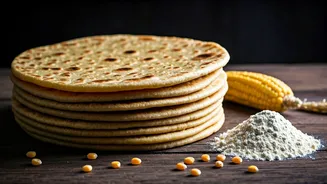
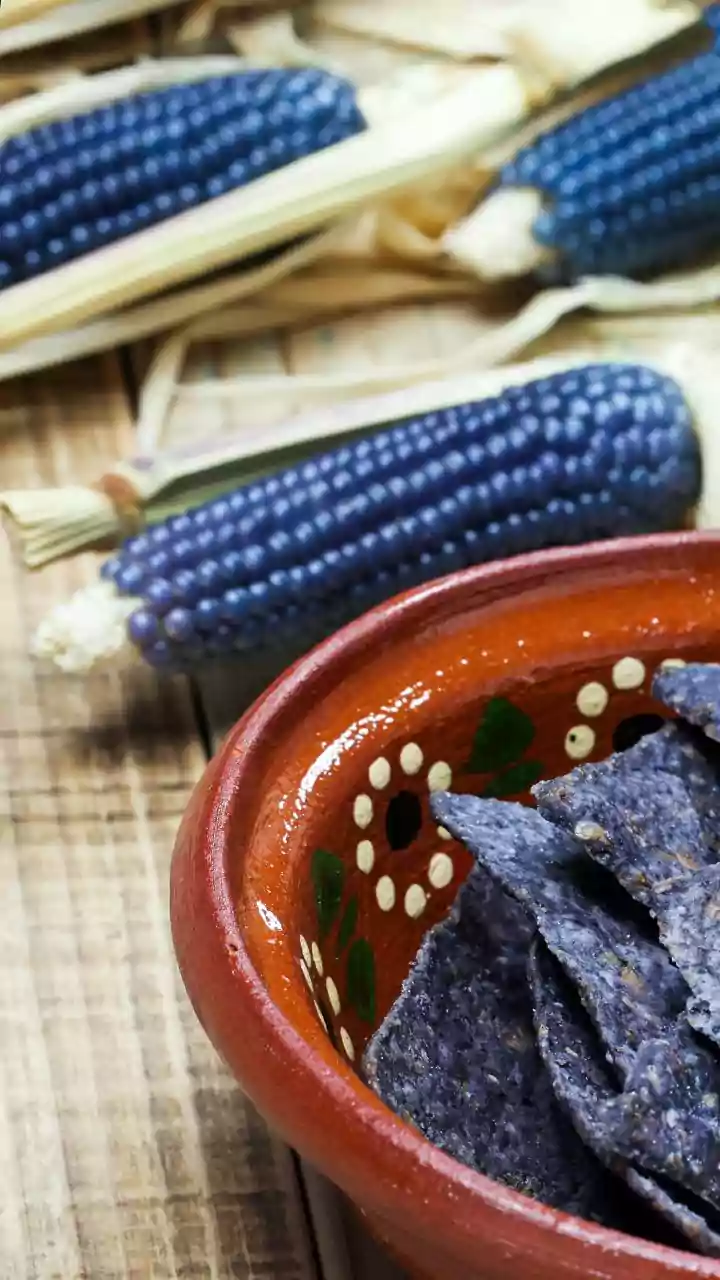
The foundation of exceptional Makki Di Roti lies in its dough. Begin by combining 2 cups of makki ka atta (maize flour) with 2 tablespoons of whole wheat
flour in a large mixing bowl. To this dry base, add 1 tablespoon of finely chopped fresh methi leaves, ½ teaspoon of ajwain (carom seeds) for that characteristic aroma and digestive aid, and ½ teaspoon of salt for taste. Mix these ingredients thoroughly to ensure an even distribution. Next, gradually incorporate about 1 cup of warm water, adding it little by little while gently kneading the mixture. The goal is to achieve a soft, pliable dough that isn't too sticky or too dry. If the dough feels a bit dry and crumbly, incorporating a teaspoon of oil can help bind it together. Once the dough reaches the desired consistency, divide it into equal portions, shaping each into a smooth ball, ready for flattening.
Shaping And Cooking Rotis
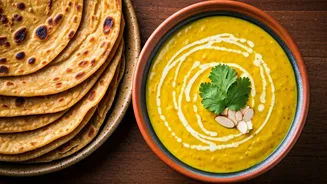
Once your dough balls are ready, it's time to shape them into rotis. For effortless shaping and to prevent sticking, place one dough ball between two sheets of butter paper or parchment paper. Using your palms or a rolling pin, gently flatten the dough into a circular roti, aiming for an even thickness. Avoid making it too thin, as it might break, or too thick, which could result in an uncooked center. Next, heat a flat griddle or tawa over medium heat. Carefully lift the flattened roti from the butter paper and place it onto the hot tawa. Allow it to cook for about 2 to 3 minutes on the first side, until you start seeing small golden-brown spots appear. Then, flip the roti and cook the other side for a similar duration. Continue flipping and cooking until both sides are beautifully golden and the edges develop a slight crispness. For an extra touch of flavor and to enhance its softness, lightly brush the cooked roti with about 1 teaspoon of ghee.
Nutritional Highlights
Makki di roti is more than just a delicious flatbread; it’s a powerhouse of nutrition, especially when prepared with traditional additions. The primary ingredient, maize flour, is a fantastic source of dietary fiber, which is crucial for digestive health and can contribute to a feeling of fullness, aiding in meal balance. This fiber content also means it provides sustained energy. Fresh methi leaves, often incorporated into the dough, are rich in essential vitamins and minerals, particularly iron, which plays a vital role in oxygen transport within the body, and Vitamin A, beneficial for vision and immune function. Ajwain seeds are traditionally believed to aid digestion. When a small amount of whole wheat flour is added, it boosts the protein content and improves the roti's texture, making it easier to handle. Opting for less ghee during cooking further enhances its health profile, making it a lighter yet satisfying option.
Serving Suggestions
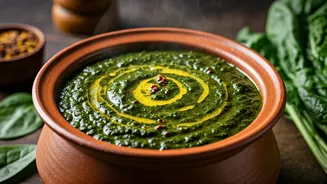
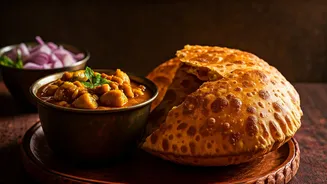
Makki di roti truly shines when paired with complementary dishes, creating a wholesome and traditional Punjabi meal. The quintessential accompaniment is Sarson da Saag, a vibrant curry made from mustard greens, whose slightly bitter notes perfectly balance the earthy flavor of the maize flatbread. For a simpler yet equally satisfying experience, it can be served alongside cooling curd or yogurt, which provides a creamy contrast. Thin slices of fresh onion add a sharp, refreshing crunch. Often, a dollop of white butter or a small piece of jaggery is offered on the side, adding a touch of sweetness and richness. A hint of green chili can also be provided for those who enjoy a spicy kick. This combination makes Makki di roti a versatile and beloved staple, particularly during the festive season of Baisakhi, celebrating the harvest.