



Embrace Natural Light
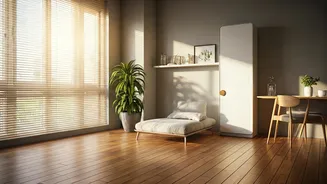
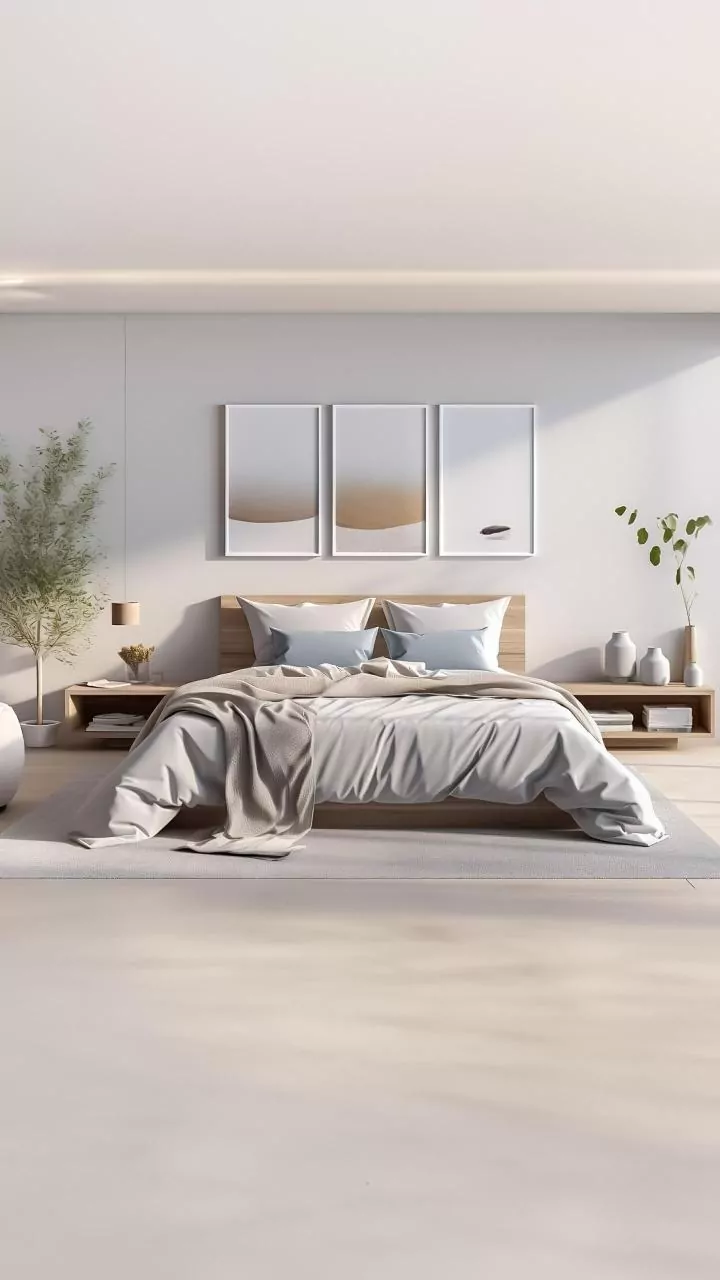
South Korean homes often maximize natural light through large windows and open layouts, a design choice deeply beneficial for health. Ample sunlight entering
the living space doesn't just brighten rooms; it plays a crucial role in regulating our internal body clock, positively influencing mood and sleep patterns. This consistent exposure to daylight can help stabilize cortisol levels, especially when it enters the home naturally, improving alertness and dopamine release. Beyond mood enhancement, good ventilation, a common feature alongside abundant light, is essential for maintaining superior indoor air quality. This practice helps reduce the prevalence of airborne irritants and allergens, thereby lowering the risk of respiratory ailments and fostering an overall healthier living environment. The emphasis is on harnessing the sun's energy to create a more vibrant and well-balanced home atmosphere.
Integrate Nature's Touch
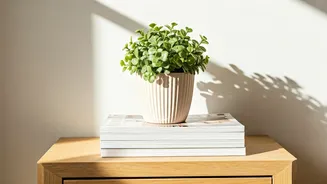
A defining characteristic of South Korean interiors is the widespread adoption of biophilic design principles, which intentionally weave elements of nature into the home. This approach typically involves the incorporation of live plants and the use of natural materials like wood in furnishings and structural elements. By bringing the outdoors in, residents forge a stronger connection with the natural world, a link that has been scientifically shown to alleviate stress and enhance cognitive functions such as focus and creativity. Furthermore, the presence of plants actively contributes to air purification, naturally filtering out common indoor pollutants and releasing fresh oxygen, thereby creating a more serene and salubrious living environment. This conscious integration of natural aesthetics and living elements fosters a sense of calm and well-being.
Optimize Multi-functional Spaces
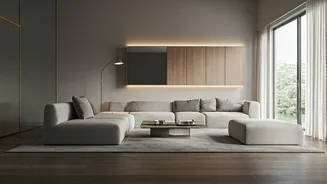
The design philosophy in many South Korean homes champions the concept of multi-functional spaces and adaptable furniture. This intelligent use of space allows for rooms and items to serve multiple purposes, promoting an environment that is inherently clutter-free and organized. The absence of excess possessions and the ability to easily reconfigure living areas contribute significantly to reducing mental stress and improving concentration. This emphasis on tidiness and efficiency within the home fosters a sense of order that directly translates to a calmer and more peaceful state of mind for its inhabitants. Such adaptable living arrangements ensure that the home environment actively supports mental clarity and relaxation.
Savor Low-Seated Dining
A distinct cultural practice observed in many South Korean households involves enjoying meals while seated close to the floor, a departure from the high-dining tables common elsewhere. This way of eating is not merely a stylistic choice but is recognized for its health benefits. The act of sitting on the floor during meals encourages a slower, more mindful approach to eating, fostering a deeper connection between the mind and the digestive system. This deliberate pacing helps improve digestion and significantly reduces the likelihood of experiencing digestive discomforts like bloating. The physical posture itself contributes to a more relaxed dining experience, allowing individuals to savor their food more thoroughly and preventing rushed consumption, ultimately supporting gut health.
Warm Evening Illumination
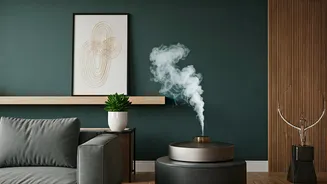
Beyond the benefits of natural daylight, South Korean homes often incorporate a thoughtful approach to artificial lighting, particularly in the evenings. Instead of relying on harsh overhead lights, there's a preference for dimmer, warmer light sources after sunset, often provided by lamps and accent lighting. This strategic use of lighting plays a crucial role in regulating the body's natural sleep-wake cycle. Warm light, especially as evening progresses, promotes the release of melatonin, a hormone essential for sleep. This helps to reduce cortisol spikes that can disrupt sleep and encourages a more restful transition into nighttime, leading to better sleep quality and overall well-being. The aim is to create a tranquil atmosphere conducive to relaxation.