






Muskmelon's Diabetic Suitability
For those monitoring their blood sugar levels, the question of including fruits like muskmelon in their diet is a common one. The good news is that muskmelon can
indeed be a part of a balanced diabetic meal plan, but with careful consideration. Its glycaemic index (GI) typically falls within the moderate range of 60 to 65. This means that, when consumed in appropriate quantities, it leads to a more gradual and controlled increase in blood glucose levels, rather than a sharp spike. The American Diabetes Association acknowledges that fruits with moderate GI scores can be integrated into a diabetic diet, provided they are eaten mindfully. Furthermore, muskmelon boasts a significant water content, nearly 90 percent, which contributes to hydration and satiety without adding excessive calories, making it a weight-friendly option. The presence of natural sugars is balanced by other beneficial components, making it a viable choice when portioned correctly and consumed strategically.
Nutritional Powerhouse Unveiled
Beyond its refreshing taste and hydration properties, muskmelon is a treasure trove of essential nutrients that can support overall well-being, particularly for individuals managing diabetes. It is notably rich in Vitamin C and Vitamin A, both potent antioxidants that play a crucial role in bolstering the immune system and protecting the body's cells from damage caused by free radicals. The antioxidant properties help combat oxidative stress, a factor that can be exacerbated in individuals with diabetes. Additionally, muskmelon is a good source of dietary fibre. This fibre content is vital as it aids in the digestive process and promotes a feeling of fullness, which can be instrumental in managing appetite and preventing overeating, a common challenge in diabetes management. The fruit also contains potassium, a mineral known for its importance in maintaining cardiovascular health, a critical aspect for diabetics who are often at a higher risk for heart-related complications. Its low-calorie profile further enhances its appeal as a healthy snack option.
Portion Control is Key
The cornerstone of safely enjoying muskmelon as a diabetic is diligent portion control. Nutritionists generally advise limiting a single serving to approximately 100 to 150 grams, which is roughly equivalent to one small bowl or a few slices. Consuming muskmelon in the morning or as a mid-day snack is often recommended. This timing is beneficial because the body tends to process glucose more efficiently earlier in the day, potentially leading to more stable blood sugar responses. It is also advisable to avoid combining muskmelon with other high-sugar fruits in the same meal. By spacing out fruit intake throughout the day, individuals can help maintain more consistent blood sugar levels and prevent abrupt fluctuations. Strategic consumption, focusing on moderate amounts at optimal times, ensures that the natural sweetness of muskmelon can be enjoyed without compromising glucose management goals.
Smart Ways to Enjoy
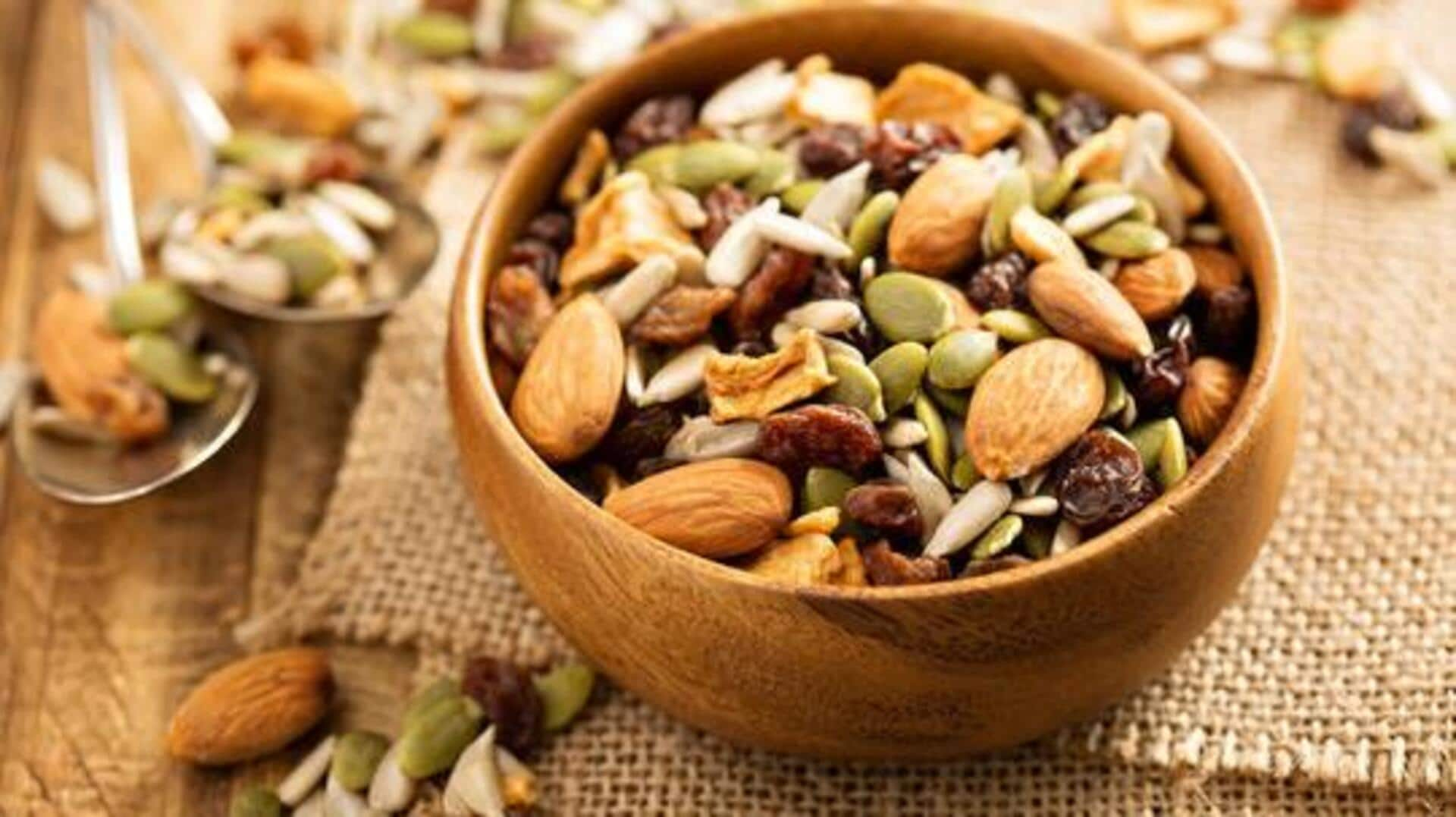
Incorporating muskmelon into your diet in ways that support stable blood sugar is simple and delicious. A highly effective strategy is to pair a measured portion of muskmelon with a source of protein or healthy fats. This combination helps to slow down the absorption of sugars into the bloodstream, mitigating rapid glucose spikes. For instance, enjoying a small bowl of muskmelon alongside a handful of almonds, walnuts, or pumpkin seeds can be a satisfying and blood-sugar-friendly snack. Another approach is to add small quantities of muskmelon to a fruit salad, ensuring that it is balanced with lower glycaemic fruits such as berries or apple slices. It is crucial to avoid consuming muskmelon in its juiced form. The juicing process strips away the beneficial dietary fibre, concentrating the sugars and leading to a much quicker and higher rise in blood glucose levels. Opting for the whole fruit, in its natural state, is always the superior choice for optimal health benefits and blood sugar management.
When to Exercise Caution
While muskmelon can generally be included in a diabetic diet, there are specific circumstances where extra caution or consultation is necessary. During periods of poorly controlled blood sugar levels, characterized by consistently high readings, it is prudent to refrain from adding muskmelon or any new fruit to the diet without professional guidance. In such instances, consulting with a doctor or a registered dietitian is paramount to ensure dietary choices align with the current health status and treatment plan. Furthermore, overconsumption of muskmelon, even if it is a healthy fruit, can lead to an excessive intake of natural sugars, potentially impacting blood glucose control negatively. Similarly, consuming muskmelon in processed forms, such as in sugary desserts, pastries, or sweetened beverages, can significantly disrupt blood sugar balance. These preparations often involve added sugars and refined ingredients that negate the fruit's inherent benefits. Therefore, sticking to fresh, whole muskmelon in moderation is key to reaping its advantages safely.