


Dates: Nature's Golden Sweetness
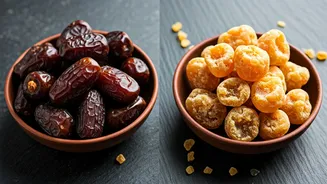
Long before the era of processed white sugar, dates held a revered place in Indian and Middle Eastern culinary traditions as a primary source of natural
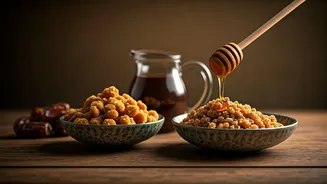
sweetness. Today, this versatile fruit is transformed into a luscious syrup or a finely powdered sugar, both offering a deep, rich sweetness that is unparalleled. This date-derived sweetener is remarkably adaptable, finding its place beautifully in a wide array of dishes, from comforting porridges and elaborate desserts to special festive preparations. Its natural caramel undertones and wholesome nature make it an excellent choice for those seeking to move away from refined sugars without compromising on delightful flavour. It provides not just sweetness but also a distinct characteristic to dishes, reminiscent of ancient cooking practices and a connection to nature's bounty.
Honey: Ayurvedic Elixir
For millennia, honey has been an integral part of Indian diets, deeply woven into the fabric of Ayurveda and traditional wellness practices. This golden liquid, especially when sourced locally and in its raw, unadulterated form, offers more than just sweetness; it infuses dishes with delicate floral notes and a unique depth of flavour. It is the go-to natural sweetener for countless home remedies, health tonics like 'kadha,' and is frequently stirred into warm beverages such as tea to impart both taste and therapeutic benefits. Its presence in everyday cooking signifies a conscious choice towards natural, wholesome ingredients, connecting modern kitchens to ancient wisdom. The subtle variations in flavour based on the nectar source add a fascinating dimension to its culinary applications.
Jaggery: The Unrefined Gem
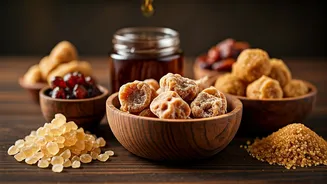
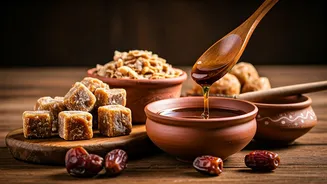
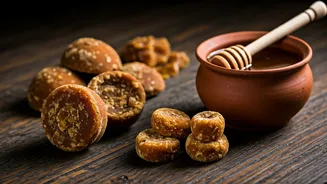
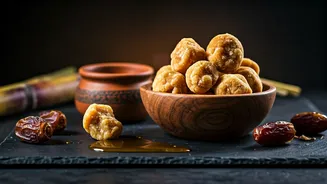
Jaggery, known by various names like 'Gur' or 'Gud' across India, is a testament to the beauty of minimally processed foods. Crafted by simmering sugarcane juice or the sap of palm trees until it solidifies, jaggery stands apart from refined sugar by retaining a wealth of natural minerals and trace elements. This traditional sweetener boasts a rich, complex flavour profile, often described as having deep caramel or molasses undertones, which adds a wonderful dimension to both sweet and savoury dishes. Its widespread use in traditional Indian sweets, everyday teas, and even certain savoury preparations highlights its versatility and its role in maintaining authentic culinary heritage. It offers a healthier alternative with a more nuanced taste that refined sugar simply cannot replicate.
Coconut Sugar: Tropical Nuance
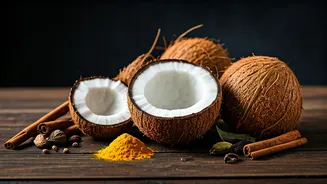
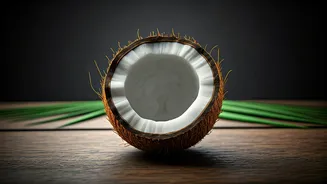
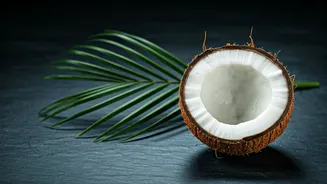
Emerging as a popular choice in contemporary urban Indian kitchens, coconut sugar is derived from the sweet sap of coconut palm blossoms. It presents a gentle, subtle caramel flavour that makes it an incredibly versatile ingredient, easily substituting refined sugar in a multitude of recipes. Its delicate taste allows it to blend seamlessly into desserts, adding a nuanced sweetness without overpowering other flavours. It's also increasingly found in morning beverages like coffee and incorporated into modern Indian culinary creations, offering a healthier, more flavourful alternative. This sweetener bridges traditional ingredients with modern dietary preferences, providing a tropical twist to everyday sweetness.
Khandsari: Earthy Sweetness
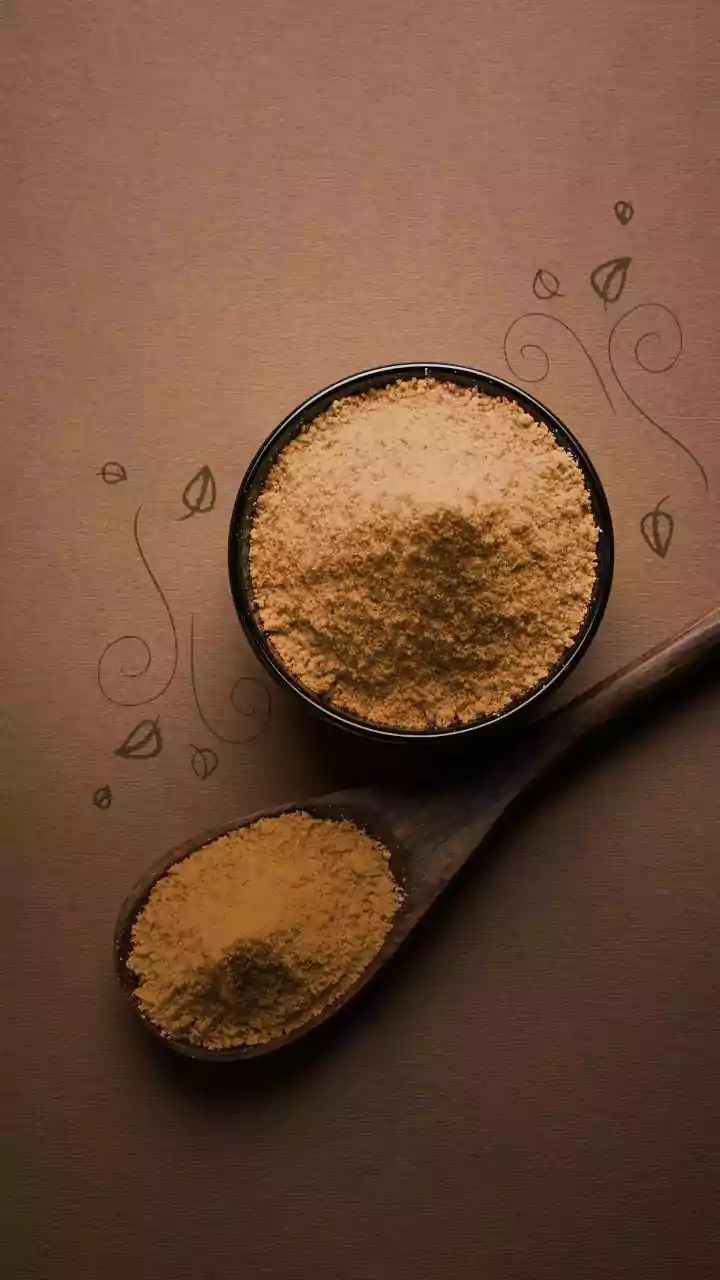
Khandsari sugar represents a traditional method of producing cane sugar that results in a less refined product compared to standard white sugar. Produced using age-old techniques, it retains a significant portion of the molasses content, which gives it a characteristic granular texture and a mild, appealing earthy sweetness. This unique flavour profile makes Khandsari an excellent choice for various applications within Indian cooking, particularly in traditional baking, where its depth can enhance the overall taste of baked goods. It also works wonderfully in beverages, adding a layer of complexity that is both comforting and distinctive. Its production method honours heritage while delivering a superior flavour experience.
Palm Jaggery: Coastal Richness
Hailing from the sap of palm trees, palm jaggery, known as 'Tadgud' or 'Karupatti,' is a treasured sweetener, especially in the southern and coastal regions of India. It is characterized by its deeper colour and a more intense, robust flavour compared to standard jaggery, offering a truly distinctive taste experience. This rich sweetness makes it a favoured ingredient in many cherished traditional South Indian desserts and beverages, contributing significantly to their authentic flavours. Its unique profile adds a luxurious depth and a hint of the tropics to culinary creations, making it a cherished staple for those seeking traditional and rich tastes.