



Oatmeal's Blood Sugar Benefits
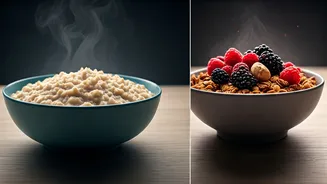
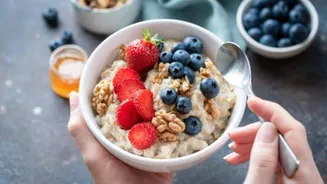
Oatmeal, especially in its less processed forms like rolled or steel-cut oats, emerges as a superior choice for managing blood sugar. The primary reason
for this advantage lies in its rich content of soluble fiber, specifically beta-glucan. This remarkable fiber forms a gel-like substance in the digestive tract, significantly slowing down the rate at which carbohydrates are broken down and absorbed into the bloodstream. This gradual absorption prevents sharp spikes in glucose levels and, consequently, reduces the post-meal insulin response. Beyond fiber, oats are also a good source of essential micronutrients like magnesium, iron, and B vitamins. Magnesium, in particular, plays a crucial role in enhancing insulin sensitivity and facilitating proper glucose metabolism, while zinc is vital for effective insulin production, and manganese aids in carbohydrate processing. Many commercially available oat products, especially instant varieties, are often fortified with additional nutrients, further enhancing their health profile and making them a valuable component of a balanced breakfast, often providing nutrients that might be scarce in more processed breakfast alternatives.
Granola's Blood Sugar Impact
While granola also originates from oats, the processing involved in its creation—baking with added oils and sweeteners—can alter its effects on blood sugar. However, when granola is thoughtfully prepared with whole oats, nuts, and seeds, it can still offer nutritional advantages. These ingredients contribute fiber, healthy fats, and protein, all of which work synergistically to delay gastric emptying and promote a more gradual rise in blood glucose. The inherent nutrients found in oats, such as beta-glucans, magnesium, and zinc, are also present in well-made granola. The critical factor differentiating granola's impact on blood sugar is the presence and quantity of added sugars. Many commercially produced granolas rely heavily on sweeteners like honey, maple syrup, or cane sugar to achieve their characteristic sweetness and crunch. Opting for granola brands that emphasize the natural flavors of nuts and seeds and contain minimal added sugars is crucial for maintaining stable blood glucose levels. When choosing granola, look for options where protein sources like nuts and seeds are abundant, as this combination of protein and fiber is key to blood sugar stabilization.
Oatmeal or Granola: The Verdict
When considering the intrinsic properties of each, plain oatmeal generally holds an advantage for blood sugar management due to its minimal processing and lack of added sugars, leading to more predictable glucose responses. However, classifying either as strictly 'good' or 'bad' oversimplifies dietary dynamics. The ultimate impact on blood sugar is contingent upon several factors, including the specific ingredients used, the portion size consumed, and what other foods are paired with it. For instance, a small serving of nutrient-dense granola, when combined with a high-protein food like Greek yogurt, might result in a more stable blood sugar response than a large bowl of plain oatmeal eaten in isolation. Experts emphasize that both oatmeal and granola can be excellent dietary choices, provided they are prepared without added sugars and are consumed alongside protein sources such as seeds, nuts, or nut butters. Therefore, the overall nutritional quality of a meal hinges on the complete dietary picture rather than focusing solely on one component.
Smart Ways to Enjoy Both
To optimize both oatmeal and granola for blood sugar control and enhanced nutrition, strategic pairing is key. Always incorporate a source of protein and healthy fats alongside your oats. This can be achieved by stirring in protein powder, a spoonful of nut butter, or a handful of nuts. Using dairy milk instead of water for cooking oats also adds a beneficial protein boost. For granola enthusiasts, it's often best used as a crunchy topping rather than the primary base of a meal. Sprinkle a small portion, such as a quarter cup, over cottage cheese or plain yogurt to add texture and flavor without an excessive carbohydrate load. Seasonal preferences can also guide your choices; oatmeal offers comforting warmth for cooler months, while granola pairs wonderfully with Greek yogurt, nuts, and seeds for a refreshing summer breakfast. Exploring recipes for homemade lower-sugar granola gives you complete control over the ingredients, allowing you to create a healthy and satisfying crunch for your morning meals without compromising blood sugar stability.