





Menu Makeover Begins
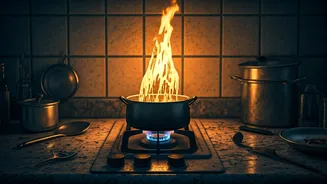
The ongoing shortage of liquefied petroleum gas (LPG) and capped piped natural gas (PNG) consumption is compelling Mumbai's famed eateries to make significant
changes. Since early March, numerous establishments have begun revising their offerings, with some even embracing traditional cooking techniques like charcoal-run 'chulhas' and firewood. This pivot is a direct response to the inability to meet usual customer demand, forcing chefs to get creative. For instance, an 86-year-old establishment known for its vada pav has had to remove between five to seven items from its dine-in menu. These selections, primarily rice-based dishes or those requiring longer cooking times like upma, are being temporarily sidelined. Fortunately, this particular eatery had previously incorporated an induction cooktop during a renovation, which is now proving invaluable for some operations. To further conserve gas, ingredients like potatoes are now being boiled at home before being brought to the restaurant. While loyal customers, referred to as 'VIPs,' have shown understanding, the inability to serve familiar orders is a point of sadness for the owners. The introduction of charcoal cooking, while necessary, has led to complaints about smoke, highlighting the difficult trade-offs being made.
Navigating Consumption Caps
While some restaurants are directly impacted by LPG scarcity, others reliant on piped natural gas (PNG) are also navigating a precarious situation. One prominent eatery, which has a PNG connection, is not as severely affected but must exercise extreme caution with its gas usage. They have received revised consumption limits from the gas provider, mandating adherence to only 80 percent of their average monthly usage. Exceeding these new stipulations carries the risk of a complete supply cut-off, a scenario that would be devastating for operations. This has necessitated a more mindful approach to cooking, ensuring that every bit of gas is used efficiently. The implications of these revised limits are far-reaching, requiring a complete re-evaluation of cooking processes and energy consumption patterns. For businesses that depend on consistent and ample energy for their operations, these restrictions present a substantial operational challenge.
Industry Support Efforts
The repercussions of the fuel crisis extend to a broader impact on the restaurant industry and its stakeholders. Reports indicate that many restaurant owners have been compelled to close their businesses due to the acute LPG scarcity. In response to the financial strain faced by tenants, some hotel partners have offered temporary rent relief, specifically a 25 percent reduction, to help mitigate losses during this challenging period. The industry association is actively advising its members to reduce gas consumption as much as possible. They acknowledge that a situation like this, where restaurants are forced to close, could lead to significant unemployment. The association is exploring various alternative cooking methods and is working to find solutions. They emphasize the resilience of the restaurant sector, drawing parallels to how businesses persevered through the pandemic. However, they stress the critical need for government support to overcome this unprecedented challenge. Without it, the long-term viability of many establishments is at stake, and consumers may face increased prices due to rising operational costs.
Alternative Cooking Costs
The transition to alternative cooking methods, while a necessary adaptation, comes with its own set of financial and operational hurdles. One restaurateur, operating a pure vegetarian establishment, had to invest over a lakh rupees in induction cooktops during the current month alone. Despite this significant investment, the restaurant is still unable to present its complete menu to customers. This indicates that even with new equipment, the limitations imposed by the fuel crisis persist. The owner anticipates bearing a loss of 20-25 percent for the month, underscoring the financial strain. Furthermore, the article touches upon the question of why induction cooking isn't a universally adopted solution. The reasoning suggests that induction cooktops do not match the productivity and efficiency standards required for high-volume restaurant operations. Additionally, there's a noted shortage of high-level cooktops suitable for professional kitchen environments, further complicating the adoption of this technology as a primary alternative.