






Understanding Acid Reflux
Acid reflux, often characterized by a burning sensation in the chest, occurs when stomach acid flows back into the esophagus. This can lead to heartburn,
and in some cases, more serious health issues. Bloating, another common digestive complaint, is marked by a feeling of fullness and abdominal discomfort. Various factors contribute to these conditions, including dietary choices, lifestyle habits, and certain medical conditions. Recognizing the causes behind acid reflux and bloating is the initial step towards finding effective relief. For many people, everyday habits might be the root cause of these issues, and understanding this can help in formulating strategies for managing them effectively.
The Simple Solution
According to the gastroenterologist, a simple yet effective way to avoid acid reflux and bloating is to avoid lying down immediately after eating. This advice emphasizes the impact of body posture on digestion. Gravity plays a crucial role in keeping stomach acid in its place, and lying down after a meal allows it to flow upwards, causing the uncomfortable symptoms associated with acid reflux. The recommended practice involves remaining upright or sitting for a specific period after eating. Implementing this simple habit can greatly reduce the chances of experiencing discomfort and improve overall digestive well-being. This might mean adjusting mealtimes or activities, but the benefits often outweigh the slight inconvenience.
How It Works
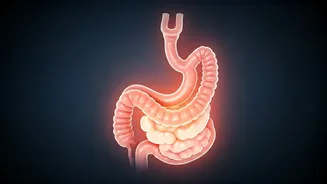
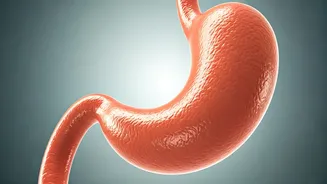
The mechanics behind this recommendation are related to the natural function of the digestive system. The esophagus, which carries food from the mouth to the stomach, is protected by a sphincter muscle at the lower end. This muscle acts as a valve to prevent stomach acid from backing up. However, when a person lies down, especially soon after a meal, this sphincter's ability to remain closed is compromised, allowing acid to escape. By staying upright, the force of gravity assists this sphincter in its job, preventing the backflow of stomach acid. This straightforward action provides a tangible way to assist the body's natural processes, thus reducing the risk of acid reflux and bloating.
Practical Implementation
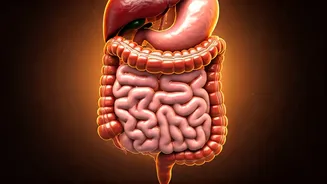
Putting this advice into practice requires making a conscious effort to adjust daily habits. The gastroenterologist recommends waiting a certain amount of time, typically 2 to 3 hours, after eating before lying down. This period provides enough time for food to move into the small intestine, reducing the chance of acid reflux. Implementing this can mean planning meals around activities, for example, eating an early dinner or taking a walk after a meal rather than immediately settling down. It is also important to consider the timing of snacks and beverages. Ultimately, the goal is to make a simple, but significant, change that supports healthier digestion. Individual circumstances may vary, so observing the body's reaction and making adjustments as needed is also important.
Additional Considerations
While avoiding lying down after meals is a crucial step, it's also important to consider other factors that affect digestive health. Diet plays a significant role, with certain foods and beverages known to trigger acid reflux. These often include spicy, fatty foods, caffeine, and alcohol. Eating smaller, more frequent meals can also help, as it reduces the burden on the stomach. Staying hydrated by drinking plenty of water throughout the day is also beneficial, and maintaining a healthy weight can reduce pressure on the abdomen. Making these holistic adjustments, along with the specific advice of avoiding lying down after meals, can promote improved digestive function and overall well-being.