



Eta Aquarid Meteor Shower
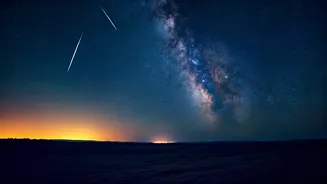
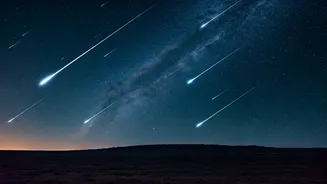
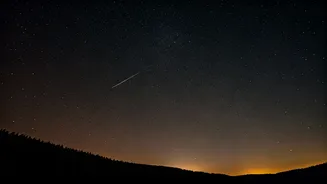
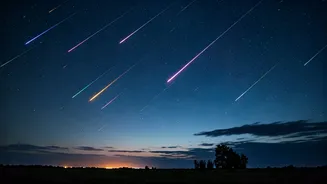
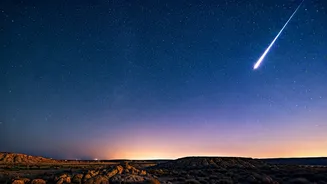
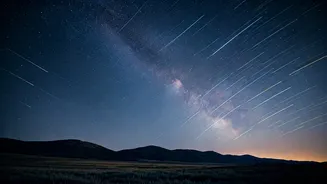
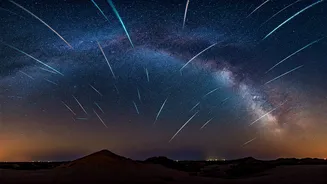
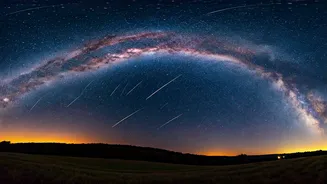
Prepare for the Eta Aquarid meteor shower, gracing our skies next week and reaching its peak performance. This celestial event offers a fantastic opportunity
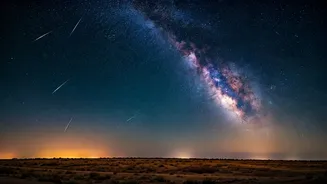
for amateur astronomers and casual observers alike to witness streaks of light across the night. The primary source of this shower is none other than Halley's Comet, whose icy debris leaves a trail as it orbits the sun. As Earth passes through this cosmic dust cloud, these particles burn up in our atmosphere, creating the spectacular meteor shower. Viewing conditions are expected to be favorable this year, with the moon's phase minimizing its interference, allowing for clearer visibility of the fainter meteors. Aim your gaze towards the constellation Aquarius, the shower's radiant, for the best views. Remember that meteor showers are best observed away from city lights, where light pollution is minimal, allowing the true brilliance of these shooting stars to shine through. Patience is key; find a comfortable spot, allow your eyes to adjust to the darkness, and enjoy the show.
Planetary Alignments
May 2026 is set to be a particularly exciting month for planet enthusiasts, with several bright planets putting on a captivating display in the evening sky. Two prominent celestial bodies will be particularly easy to spot during the early evenings, offering a delightful visual treat for stargazers. As the month progresses, the planetary lineup shifts, and by May, a total of three planets will be visible, creating a stunning cosmic tableau. These alignments provide a wonderful chance to observe our solar system's neighbors with the naked eye or with the aid of binoculars. Consulting star charts or astronomy apps can help pinpoint their exact locations and optimal viewing times. Witnessing these planets positioned close together in the sky is a reminder of the dynamic and ever-changing nature of our celestial neighborhood, offering a unique perspective on planetary motion.
The Flower Moon
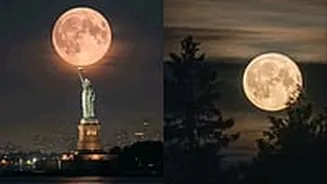
As May unfolds, we anticipate the arrival of the captivating Flower Moon, the full moon for the month. This luminous spectacle is named for the abundant blooming of flowers that typically occurs during this time of year in many parts of the world. The May full moon is not only a beautiful sight but also holds cultural significance, often associated with spring fertility and renewal. Its appearance promises to be a highlight for night sky observers, offering a chance to admire its full radiance. For the best viewing experience, seek out a location with an unobstructed view of the horizon, particularly around moonrise. The full moon often appears larger and more impressive when it is closer to the horizon due to an optical illusion known as the moon illusion. Whether you're observing it with the naked eye or through a telescope, the May full moon is sure to be a memorable event, casting a gentle glow over the landscape.
Stargazing Tips
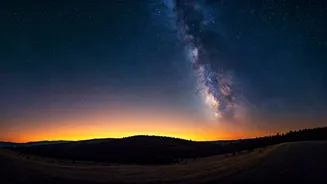
To truly maximize your stargazing experience in May 2026, consider these essential tips that can make a significant difference. Firstly, escaping light pollution is paramount; venturing away from urban centers to darker, rural locations will dramatically enhance your ability to see fainter celestial objects, including meteor showers and dimmer planets. Secondly, allow your eyes ample time to adapt to the darkness, which typically takes about 20-30 minutes, during which you should avoid looking at bright lights, including your phone screen. Red-light flashlights are excellent for preserving night vision. Thirdly, get comfortable; bring a blanket or a reclining chair to make long viewing sessions more enjoyable. Fourthly, familiarity with the night sky aids observation; using stargazing apps or charts can help you identify constellations, planets, and other celestial phenomena. Finally, check weather forecasts beforehand to ensure clear skies for optimal viewing of the month's astronomical events.