



Moon: Water's Mirror
The Moon, often perceived as a desolate expanse, holds clues to Earth's watery past and present. NASA's strategic shift to lunar studies stems from the
Moon's unique ability to act as a cosmic mirror, reflecting insights into Earth's water composition and history. The lunar surface, with its extreme conditions, acts as a natural laboratory. Analyzing the Moon's geology and composition allows scientists to infer how water might have originated on Earth and how it evolved over billions of years. This approach is unlike studying Earth directly, where processes like plate tectonics and erosion have significantly altered the evidence. The Moon provides a relatively stable archive of information that is crucial for understanding Earth's past. The lunar environment, untouched by many terrestrial forces, preserves key details that can reveal how water formed on our planet and where it's stored. The project leverages the insights gained from lunar missions, providing unparalleled clues to the enduring questions about water's role in shaping Earth's environment.
Lunar Surface Analysis
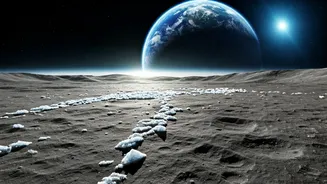
NASA's strategy involves comprehensive surface analysis of the Moon to understand the presence of water. Missions are designed to search for water ice within permanently shadowed craters at the lunar poles. These regions are believed to have trapped water for billions of years, offering a pristine record. Scientists examine the lunar regolith, the loose surface material, to detect the presence of water molecules and its isotopic composition. By analyzing the ratios of hydrogen isotopes (deuterium to hydrogen), researchers can trace the origins of lunar water and make inferences about Earth's water sources. This method helps to determine whether Earth's water came from comets, asteroids, or volcanic activity. Studying the lunar samples, through various spectrographic techniques, allows them to identify minerals that may have reacted with water, indicating past or present water activity. The data gathered provides critical evidence, which helps to refine models of Earth's water evolution. The research on the Moon contributes valuable data on the distribution and concentration of water across the lunar surface, potentially providing important insights into whether water is available for future lunar exploration.
Decoding Water Origins
The origin of water on Earth is a long-standing scientific puzzle, and NASA is using lunar data to try and solve it. One primary hypothesis centers around water delivery by asteroids and comets during the early solar system. By comparing the isotopic composition of lunar water with that of comets and asteroids, NASA scientists can determine which source is the closest match. Alternatively, some theories suggest that water may have originated within Earth itself, released through volcanic activity. NASA's lunar studies probe the validity of this theory through comparative analysis of lunar and terrestrial volcanic materials. The lunar environment enables scientists to investigate the effects of solar wind on the surface, which could have led to the formation of water. Analyzing the Moon's data helps in determining the dominant mechanisms responsible for delivering water to the inner solar system, and contributes to the global understanding of planetary formation and evolution. This research will help the scientific community understand how life-sustaining elements became available on our planet and how other potentially habitable planets might have acquired water.
Implications for Future
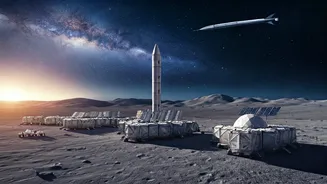
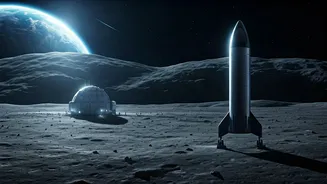
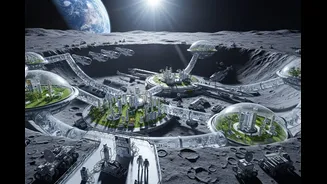
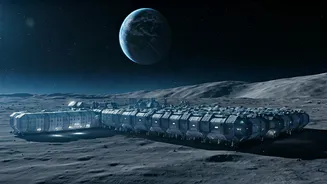
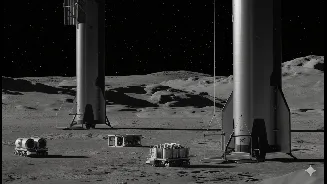
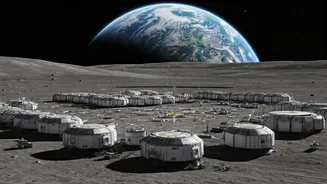
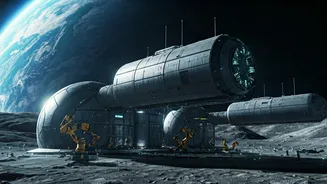
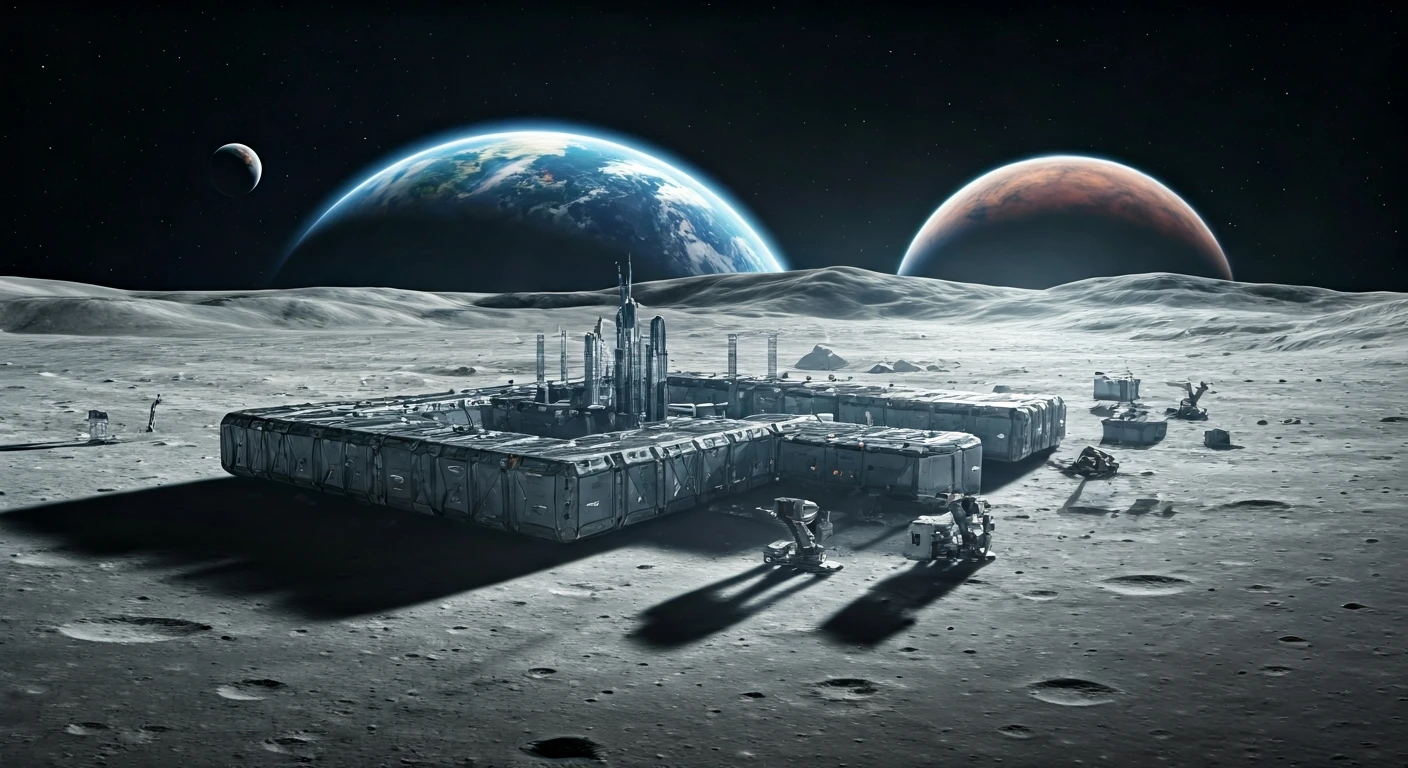
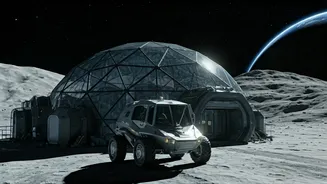
Understanding the water on the Moon is not only relevant to solving the mysteries of Earth, but is critical for future space exploration. Water ice discovered on the Moon is a potential resource, which could be used to extract oxygen for astronauts to breathe and hydrogen for rocket fuel. This would make future missions more sustainable. NASA's Artemis program aims to establish a long-term presence on the Moon and utilize lunar resources. The data collected from current and upcoming lunar missions informs these ambitious plans, paving the way for a self-sufficient lunar base. The scientific insights from these missions are critical for developing more advanced technologies and strategies for space exploration. This information could be vital for missions to Mars and beyond, by providing key resources and reducing the expenses of space travel. The Moon, therefore, is being viewed as a vital stepping stone in humanity’s journey to explore the solar system, and a key factor in ensuring future space exploration's success.