
Western Disturbances' Impact
The influence of western disturbances has been pivotal in bringing precipitation to India. These weather systems, originating in the Mediterranean region,
travel eastward and interact with the Himalayan region, causing rainfall and snowfall, particularly in the northern and northwestern parts of the country. This time, the disturbances have contributed to a reduction in the rain deficit, offering a semblance of recovery from the earlier dry spell. The intensity and the frequency of these disturbances are critical factors that directly influence the amount of precipitation received, affecting water resources and agricultural practices across the affected areas. It's noteworthy that the timing of these systems is crucial; their presence during specific periods can make or break the seasonal rainfall patterns.
Regional Rainfall Variations
While the overall picture indicates a deficit, rainfall patterns across India are not uniform. Some areas have received adequate or even excess rainfall, while others continue to grapple with severe shortages. The Himalayas and surrounding regions usually get significant snowfall and rain, helping the snowpack. However, states in the south and central India might experience significantly different conditions, possibly facing prolonged dry spells. The monsoon season is critical in determining the annual rainfall, and any deviation from the average can greatly affect the agricultural output and water availability for those regions. The impact varies depending on geographic factors, including the terrain, altitude, and prevailing wind directions.
Deficit's Persistent Challenge
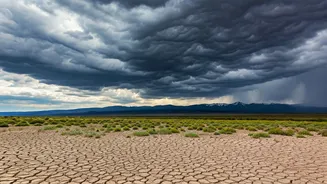
Despite the improvement, the rain deficit remains a considerable concern across the country. The term 'deficit' in this context means that the total amount of rainfall is lower than what is typically expected for the period. The shortfall can have grave consequences, including water scarcity, which affects agriculture, and in turn, leads to food security issues. Deficient rainfall can stress water reservoirs, vital for irrigation and drinking water supplies. Understanding the extent of the rainfall deficit and the regions most affected is essential for crafting focused water management and agricultural strategies. Monitoring the long-term patterns, combined with climate predictions, is crucial to manage and adapt to the changing weather patterns.
Outlook and Future Trends
Looking forward, the long-term outlook for India's weather depends on various factors, including the frequency and intensity of future western disturbances, monsoon patterns, and broader climate changes. Experts continue to monitor the development of weather patterns to provide timely alerts and guidance to the public and decision-makers. The unpredictable nature of weather systems adds to the complexities of predicting future trends accurately. The effect of climate change can intensify these patterns, leading to more irregular rainfall distribution, which could bring about both droughts and floods. By being informed about these changes and following the projections from meteorological departments, individuals, farmers, and governmental bodies can better prepare for future challenges.