



Daintree's Primordial Wonders
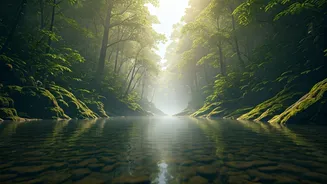
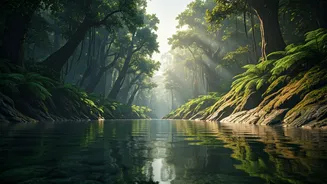
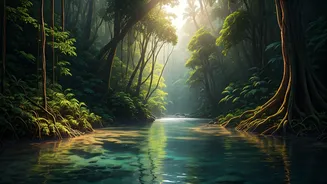
Imagine a place so ancient it predates the dinosaurs. The Daintree Rainforest in Australia holds this distinction, estimated at a staggering 180 million
years old, making it Earth's oldest tropical rainforest. Its incredibly rich biodiversity includes plant species that have remained virtually unchanged since prehistoric times. Visiting Daintree is like stepping onto a living museum, offering a glimpse into a world that existed long before humanity. Its primitive flora provides a direct link to the planet's ancient past, a truly unparalleled experience for any nature enthusiast.
Borneo's Rich Tapestry
Spanning across Malaysia, Indonesia, and Brunei, the Borneo Lowland Rainforest is approximately 130 million years old. This vast and ancient ecosystem is renowned for its extraordinary richness, housing iconic species like orangutans and pygmy elephants. The sheer density and variety of life here are remarkable, making it a critical sanctuary for numerous plant and animal species. Exploring Borneo's ancient forests offers an intimate encounter with some of the planet's most vulnerable and magnificent wildlife in their natural, ancestral home.
Taman Negara's Timeless Trails
Often recognized as one of the planet's most ancient rainforests, Taman Negara in Malaysia boasts an age exceeding 130 million years. This remarkably preserved ecosystem invites exploration through its dense jungle paths and exciting canopy walkways, offering visitors a unique perspective of its arboreal wonders. The pristine nature of Taman Negara provides an immersive experience, allowing you to wander through a landscape that has remained largely untouched by time and human alteration. It's a chance to connect with a truly ancient natural world.
Amazon's Vast Realm
While younger than some of its ancient counterparts at over 55 million years old, the Amazon Rainforest remains the undisputed king in terms of size and biodiversity. It is the largest tropical rainforest on Earth, a sprawling expanse teeming with an unparalleled array of plant and animal species. Its sheer scale and ecological complexity make it a vital global ecosystem, contributing significantly to the planet's health. Exploring the Amazon is an adventure into a world of immense natural power and astonishing life.
Yakushima's Mystical Cedars
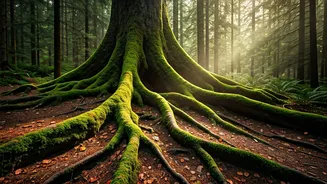
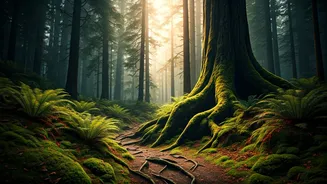
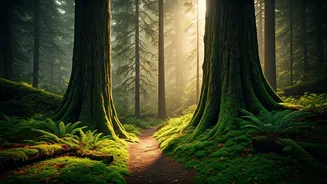
Step into a fairy tale at Yakushima Forest in Japan, a place so enchanting it inspired animated classics. This mystical forest is home to ancient cedar trees, some of which are over 7,000 years old. These venerable giants, draped in vibrant moss and often shrouded in mist, create an otherworldly atmosphere. Walking among these exceptionally old trees, some of the oldest living organisms on the planet, feels like a journey into a realm of ancient spirits and deep tranquility.
Bristlecone Pines Endure
In California's rugged landscape lies the Ancient Bristlecone Pine Forest, a testament to nature's resilience. This forest shelters some of the planet's oldest living trees, with many specimens exceeding 5,000 years of age. These ancient pines have endured extreme climates and harsh conditions, their gnarled forms telling tales of survival over millennia. Visiting this forest offers a profound appreciation for longevity and the incredible tenacity of life in challenging environments.
Caspian Hyrcanian Relics
Dating back an impressive 25 to 50 million years, the Caspian Hyrcanian Forests once stretched across a significant portion of the Northern Hemisphere. These lush, verdant woodlands are now considered ecological relics, offering a glimpse into a much earlier era of Earth's botanical history. Their survival represents a remarkable continuity of ancient flora, providing a unique habitat that has persisted through immense geological changes. Exploring these forests is like walking through a living testament to long-lost ecosystems.
Reunion's Volcanic Beauty
Though geologically younger at around 2 to 2.5 million years, Reunion National Park presents a uniquely ancient ecosystem shaped by dramatic volcanic landscapes. Its dense forests thrive amidst a dynamic terrain, creating a stunning contrast between the raw power of volcanic activity and the persistent growth of life. This park offers a captivating blend of geological history and biodiversity, showcasing how life adapts and flourishes even in the most formidable environments.
Western Ghats Biodiversity
As one of the world's oldest mountain ranges, exceeding 150 million years, the Western Ghats of India harbors ancient and incredibly biodiverse forests. Particularly in states like Kerala and Karnataka, these dense evergreen stretches are ecological treasures. They are home to a multitude of endemic species, rare wildlife, and medicinal plants found nowhere else on Earth. The forests here are not just old; they are vibrant hubs of life, crucial for conserving unique flora and fauna.
Sundarbans Mangroves' Flow
While its geological age might be more recent, the Sundarbans Mangrove Forest represents an ancient evolutionary triumph. As one of the oldest mangrove ecosystems globally, it's a dynamic, living, and shifting landscape sculpted by the constant ebb and flow of tides. This unique environment, at the intersection of land and sea, supports a resilient and specialized array of life. It's a rare example of an ancient ecosystem that continues to evolve and adapt to its watery, ever-changing domain.