





Rethinking Hydration Needs
As the mercury climbs and the discomfort of dehydration becomes more pronounced, health experts are urging a reassessment of our hydration strategies.
The conventional wisdom of solely relying on plain water to quench thirst is being challenged. It's not just about the quantity of water consumed, but critically, how effectively the body can utilize and retain that fluid. During the intense heat of summer, when fluid loss through perspiration and other bodily functions is at its peak, this distinction becomes paramount. Experts emphasize that a more nuanced approach, one that includes foods naturally abundant in water and essential electrolytes, can significantly enhance the body's ability to stay replenished and function optimally. This shift in perspective highlights that effective hydration is a holistic process, encompassing both intake and absorption.
Why Water Falls Short
While water is undeniably vital for life, relying on it as the sole source of hydration during the summer months can be inadequate. The body doesn't just lose water through sweat; it also expends crucial electrolytes like sodium, potassium, and magnesium. Dr. Archana Pate explains that excessive consumption of plain water without adequate electrolyte replenishment can actually lead to a dilution of sodium levels in the bloodstream. This condition, known as hyponatremia, can manifest in concerning symptoms such as profound fatigue, uncomfortable muscle cramps, and disorienting dizziness. Therefore, the idea that simply drinking more water is sufficient to counter fluid and electrolyte loss is a misconception. This is where the role of food as a functional hydration tool becomes increasingly significant, moving beyond mere sustenance to actively contribute to our body's fluid balance.
Hydrating Foods Championed
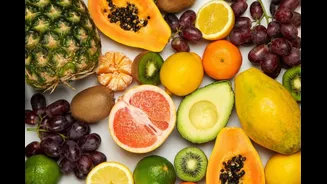
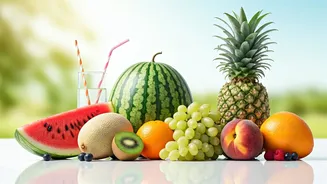
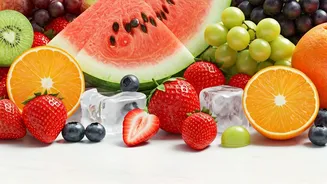
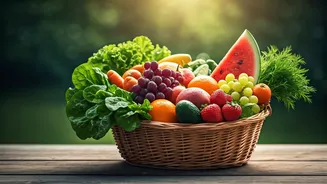
The real heroes in our quest for superior summer hydration are foods that are not only water-dense but also packed with beneficial nutrients. Rutu Dhodapkar highlights several excellent choices that offer a dual benefit of fluid replenishment and essential mineral intake, promoting better absorption and retention than water alone. Consider cucumbers, boasting an impressive 95-96% water content, perfect for salads or cooling raitas. Watermelon, at 92% water, is also a powerhouse of potassium and the antioxidant lycopene. Muskmelons (90% water) contribute vitamins A and C for immunity, while strawberries (91% water) offer a refreshing burst of hydration and antioxidants. Oranges (86-88% water) provide fluids along with vitamin C, and tomatoes (94-95% water) deliver hydration alongside potassium and lycopene. Even leafy greens, with their high water content (92-96%), are valuable sources of iron and folate. For an instant electrolyte boost, coconut water stands out as a natural and effective rehydration choice, making these foods invaluable allies against the summer heat.
Optimizing Fluid Retention
The advantage of 'eating your water' lies in the sophisticated way our bodies process these nutrient-rich sources. Unlike plain water, which can pass through the system relatively quickly, water-rich foods facilitate a more sustained and efficient hydration process. Dr. Pate emphasizes that the presence of electrolytes within these foods acts as a catalyst, significantly improving the intestine's capacity to absorb water. Furthermore, the dietary fiber found in many of these foods plays a crucial role by slowing down the release of water into the bloodstream. This gradual absorption prevents the rapid flushing out of fluids, thereby helping to maintain stable plasma volume and overall bodily balance, especially in arid and hot climatic conditions. This physiological mechanism ensures that the body holds onto hydration for longer periods, offering more resilient protection against dehydration.