





Kodava Culinary Roots
Rashmika Mandanna, a proud daughter of Coorg, highlights the distinctive culinary traditions of her homeland, the Kodava community. This cuisine is deeply
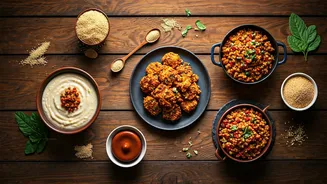
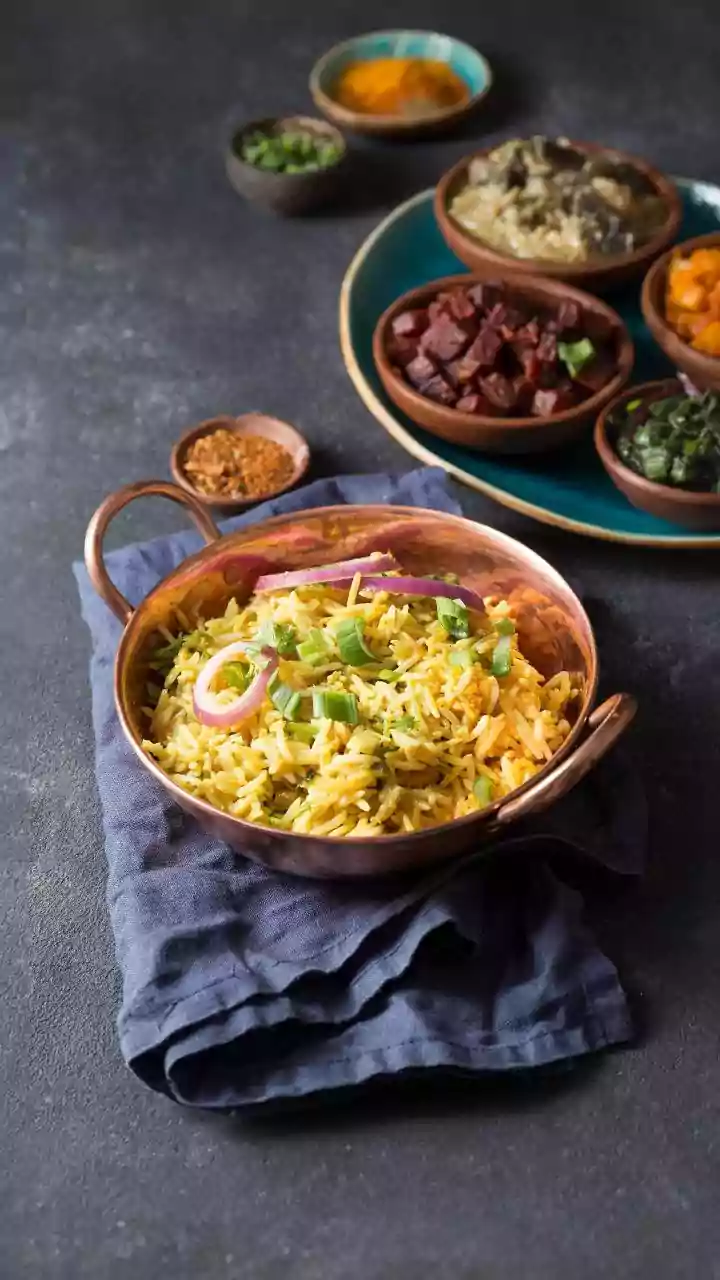
rooted in the region's history and environment, characterized by its straightforward yet profound flavors. The food is often described as honest and memorable, reflecting the practical and nourishing needs of a community historically tied to agriculture and a warrior spirit. Key ingredients like rice, coconut, curry leaves, and spices such as pepper and cardamom form the foundation, but it's the masterful balance of these elements that truly defines Coorgi dishes. The influence of Coorg's lush, plantation-filled landscape is evident in the ingredients and preparation methods, creating a food culture that feels authentic and deeply satisfying.
Pork and Homemade Wine
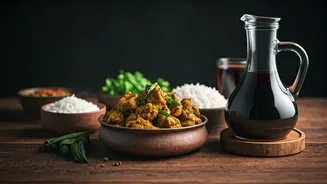
A signature element of Coorgi cuisine is its emphasis on pork, often prepared through hearty barbecue methods. Beyond the savory dishes, homemade wine plays a vital role in daily life. Mandanna shares that it's a common practice in Coorg households to consume a couple of pegs of this homemade wine before sleeping, believed to aid sleep and offer cardiovascular benefits. This tradition underscores the integral connection between food, drink, and well-being in the Kodava culture. The preparation of wine at home signifies a self-sufficient and community-oriented approach to culinary practices, adding another layer to the region's rich gastronomic identity.
Distinctive Flavors and Preparation
Coorgi cuisine boasts a unique character, partly derived from a distinctive earthiness and a sharp, tangy note. This signature tang often comes from kachampuli, a locally produced vinegar. The cooking process itself is deliberate and slow, allowing flavors to meld and develop organically, rather than relying on quick, intensive techniques. This intentional approach to cooking ensures that each dish achieves a depth of flavor that is both complex and comforting. It’s this careful cultivation of taste, combined with the use of regional ingredients, that gives Coorgi food its enduring appeal and memorable quality, making it truly stand out.
Nutritional Balance and Health
From a health perspective, traditional Coorgi meals are inherently protein-rich, primarily due to the prevalent use of pork and chicken in their recipes. The inclusion of various spices not only enhances flavor but also contributes antioxidant and anti-inflammatory properties. Furthermore, fermented elements like kachampuli are known to promote healthy digestion. While dishes can be rich, especially those using preserved meats, the cuisine can be made nutritious and satisfying by balancing the consumption of rice and vegetables with controlled fat intake. This highlights a thoughtful approach to diet within the traditional framework, ensuring sustenance and health are prioritized.