




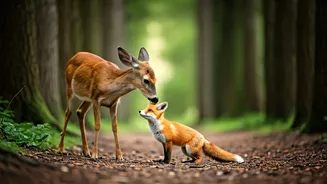
The Imprinting Phenomenon
At the heart of many cross-species connections lies the fascinating concept of imprinting. This is a critical learning period in early development where
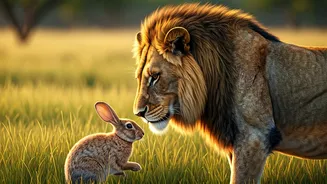
young animals form strong attachments to the first moving object they encounter, often their parent. However, in cases of isolation or unusual circumstances, this imprinting can inadvertently extend to individuals of a different species. This early bonding can lead to a lifelong preference, shaping their social and even reproductive behaviors. When an animal imprinted on a different species, it might seek out companionship and courtship displays directed towards that particular type of creature. This explains why a bird might attempt to nest with a waterfowl or why a young mammal might develop a strong affinity for a species that raised it, exhibiting behaviors learned from its surrogate family, regardless of biological compatibility.
Hormonal Surges & Isolation
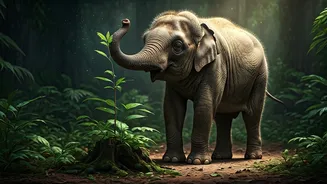
Beyond imprinting, powerful biological drives, particularly hormonal surges, can propel animals into unexpected cross-species relationships. During periods of heightened reproductive readiness, like the 'musth' phase in young male elephants, they may exhibit strong sexual or affiliative behaviors towards other species present, such as rhinos or even humans. This is often exacerbated by social inexperience, where a lack of appropriate conspecific partners leads them to direct their impulses elsewhere. Similarly, skewed sex ratios within a population can also contribute; if a male or female of a species is scarce, individuals might seek mates from closely related or simply available species. In captive environments, isolation can further amplify these tendencies. Animals lacking the usual social interactions may form attachments to other species housed nearby, or even to human caretakers, displaying behaviors that mimic courtship or strong social bonding.
Penguins: Captive Affections
In the controlled environments of zoos and aquariums, penguins have showcased a remarkable propensity for forming bonds across species lines. These flightless birds are not only observed forming same-sex pairings within their own species, complete with courtship rituals and shared nesting duties, but they have also been known to exhibit affectionate behaviors towards penguins of different species. This cross-species attraction can manifest in similar ways to intraspecies courtship, including synchronized movements and shared territorial defense. Intriguingly, some penguins have also developed strong attachments to their human caretakers, following them closely and displaying behaviors that mirror courtship rituals, highlighting a deep capacity for social connection that can extend beyond their own kind, driven by curiosity and the need for companionship.
Swans: Defying Mating Norms
Renowned for their lifelong monogamy, swans can exhibit surprising deviations from this norm when faced with a lack of a suitable mate. Reports indicate instances where swans have formed deep attachments with other bird species, including ducks and geese. These unconventional pairings involve consistent companionship, mutual grooming, and demonstrative affection, closely mirroring the behaviors seen in typical swan courtship. In some extraordinary cases, swans have even been observed forming bonds with inanimate objects, such as boats, displaying protective and affiliative actions towards them. These instances underscore the swan's strong drive for companionship and commitment, which can manifest in unexpected directions when their primary mating needs are unmet.
Dolphins: Nurturing Bonds
Dolphins, known for their intelligence and complex social structures, sometimes exhibit behaviors that suggest misplaced affections or profound maternal instincts extending beyond their own species. Female dolphins have been observed nurturing and bonding with calves of different species, displaying consistent care and attention. In captive settings, this can translate into persistent focus on other animals, forming close associations. While these actions might appear romantic or mate-like, experts suggest they often stem from a deep-seated maternal drive or a powerful social curiosity. These instances highlight the dolphin's empathetic nature and their capacity for forming strong social ties, even if the target of their affection is biologically dissimilar.
Dogs: Unlikely Devotion
The domestic dog's unparalleled ability to form deep connections extends remarkably to animals of entirely different species. It's common to witness dogs developing profound friendships with cats, goats, horses, and even more exotic animals. These cross-species relationships are characterized by affectionate behaviors such as mutual grooming, playful interactions, and a strong sense of protective guarding. Such actions often mirror the mate-guarding instincts or courtship rituals seen in the wild, demonstrating the dog's inherent social drive and capacity for loyalty. This cross-species devotion showcases the dog's adaptable and loving nature, forging bonds based on companionship and shared affection regardless of biological background.