





Hibiscus Tea's Power
Hibiscus tea presents a refreshing and potentially beneficial option for those looking to manage their blood pressure. Studies have indicated that regular
consumption of hibiscus tea may contribute to a reduction in systolic and diastolic blood pressure readings. The mechanisms by which hibiscus achieves this are believed to include its antioxidant properties, which help to combat oxidative stress and inflammation, key factors in cardiovascular health. When preparing hibiscus tea, it's essential to use high-quality dried hibiscus flowers and to avoid adding excessive amounts of sugar, as this could negate the benefits. This tea can be a pleasant addition to your morning ritual, making the process of managing blood pressure more enjoyable. Consider brewing a strong batch and savoring its tart, fruity flavor. Consistent intake, along with a healthy lifestyle, may yield positive results in terms of lowering blood pressure naturally. Remember to consult with a healthcare provider before making significant dietary changes, especially if you're already on medication for blood pressure.
Tomato Juice Benefits
Tomato juice is another excellent morning drink that can assist in blood pressure management. Tomatoes are rich in lycopene, a potent antioxidant that's been linked to cardiovascular health benefits. Lycopene helps to protect the lining of blood vessels and may improve their elasticity, contributing to a lower blood pressure. Furthermore, tomatoes contain other essential nutrients such as potassium, which is critical for regulating blood pressure by counteracting the effects of sodium. When incorporating tomato juice into your diet, it's best to choose options that are low in sodium, as excess sodium can work against the blood pressure-lowering effects. Opting for fresh, homemade tomato juice can provide you with the most nutrients and minimize added sugars and preservatives. Integrating tomato juice into your morning routine offers a convenient and delicious way to support your cardiovascular health. Be aware of your body's response, and gradually increase intake while monitoring your blood pressure levels.
Beetroot Juice Impact
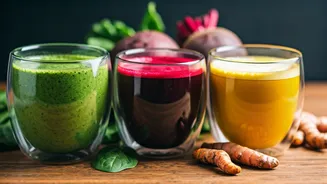
Beetroot juice is a powerhouse drink, particularly known for its positive impact on blood pressure. Beets are a rich source of nitrates, which the body converts into nitric oxide. Nitric oxide helps to relax and widen blood vessels, which in turn reduces blood pressure. Studies have demonstrated that drinking beetroot juice can lead to significant reductions in both systolic and diastolic blood pressure. Aside from its blood pressure-lowering effects, beetroot juice also offers various other health benefits, including improved athletic performance and enhanced blood flow. However, some people may find the taste of beetroot juice slightly earthy; therefore, combining it with other fruit or vegetable juices, such as apple or carrot, can make it more palatable. Starting with a smaller amount and monitoring your body's response is a good strategy when introducing beetroot juice into your diet. Make sure to consult with your doctor before incorporating beetroot juice into your routine, especially if you have pre-existing health conditions or are taking medication.
Lemon Water: Refreshing Aid
Lemon water is a simple yet effective way to kickstart your day and potentially aid in blood pressure management. While the effect on blood pressure isn't as direct as with some other drinks, lemon water supports overall health and hydration, both of which are essential for maintaining healthy blood pressure levels. Adequate hydration is critical for efficient blood circulation and kidney function, which helps regulate blood pressure. Additionally, lemons are a good source of vitamin C, an antioxidant that helps to protect blood vessels. To prepare lemon water, simply squeeze the juice of half a lemon into a glass of water and drink it first thing in the morning. This refreshing drink can also aid digestion and improve skin health. Make sure to drink fresh lemon water daily to feel its positive effects. For enhanced health benefits, consider adding some mint or ginger. Remember, lemon water should be used as part of a comprehensive health plan, which includes a balanced diet and regular exercise.
Green Tea's Advantages
Green tea is an antioxidant-rich beverage that has been linked to various health benefits, including blood pressure management. The antioxidants in green tea, particularly catechins, can help improve blood vessel function and reduce inflammation. Although the impact on blood pressure might not be as pronounced as with some other drinks, the consistent consumption of green tea can contribute to overall cardiovascular health. The ideal time to consume green tea is in the morning, which can provide a gentle energy boost and set a healthy tone for the day. Green tea is easily prepared by steeping tea leaves in hot water. Avoid boiling water, which can make the tea bitter. Consuming green tea with a healthy diet and regular exercise is an approach to improving your blood pressure. The caffeine in green tea can affect some people; so it is wise to monitor your reaction, especially if you're sensitive to caffeine. Consult a healthcare professional before incorporating green tea into your diet, particularly if you're taking any medications or have existing health conditions.
Pomegranate Juice Power
Pomegranate juice stands out as a delicious and health-promoting drink that can also support blood pressure management. Pomegranates are rich in antioxidants, including polyphenols, which help to protect the lining of blood vessels and promote healthy circulation. Studies suggest that regular consumption of pomegranate juice can lead to a decrease in both systolic and diastolic blood pressure. Moreover, pomegranate juice is known to improve endothelial function, which is the ability of blood vessels to relax and dilate, allowing for better blood flow. When purchasing pomegranate juice, it's best to choose 100% pure juice without added sugars or preservatives to maximize its health benefits. Drinking a glass of pomegranate juice in the morning can be a refreshing and enjoyable way to incorporate this superfood into your daily routine. Be mindful of the amount you consume, as pomegranate juice is naturally high in sugar. Always remember to discuss dietary changes with your healthcare provider to ensure they are appropriate for your individual needs and health status.