
Lentils & Legumes Powerhouse
For vegetarians aiming to elevate their iron consumption, lentils and various legumes stand out as exceptionally accessible and budget-friendly options.
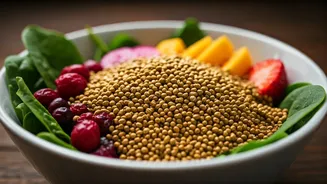
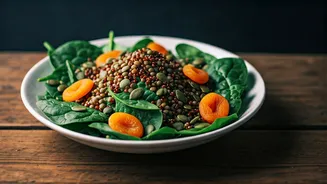
Varieties like masoor dal, moong dal, chickpeas, and kidney beans are not only packed with a significant amount of iron but also serve as excellent sources of protein and dietary fiber, making them a truly complete food. Integrating these versatile ingredients into your daily meals can substantially boost your iron status without requiring drastic changes to your established eating patterns. Consider experimenting by combining different types of lentils in a single preparation for a more diverse flavor and nutrient profile, ensuring you get the most out of these iron-rich staples.
Vitamin C: Absorption Ally
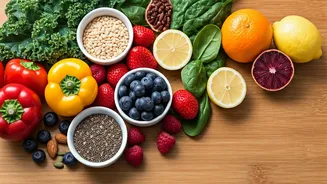
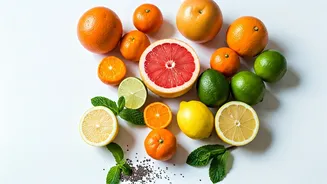
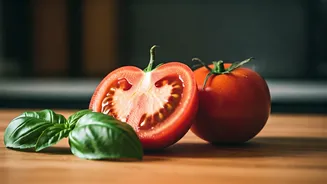
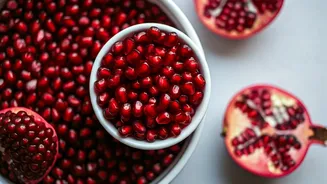
Enhancing the absorption of plant-based iron is significantly amplified when paired with foods rich in Vitamin C. This vital nutrient acts as a powerful catalyst, helping your body make better use of the iron you consume. Simple additions like a squeeze of lemon juice over your lentil dishes, incorporating fresh tomatoes into your curries, or enjoying a fruit such as an orange or guava alongside your meal can dramatically improve iron uptake. To maximize this effect, consider serving a fresh side salad with a zesty lemon dressing to accompany your main dishes, ensuring a consistent boost to your iron absorption throughout the day.
Dark Greens' Iron Bounty
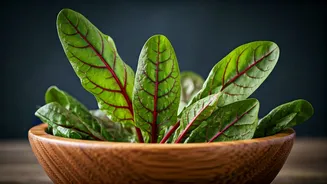
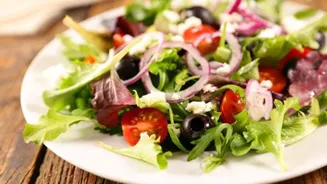
Leafy green vegetables, particularly spinach and fenugreek leaves, are nutritional powerhouses that offer a substantial amount of iron alongside a host of other essential vitamins and minerals. Their widespread use in various cuisines makes them incredibly easy to incorporate into your daily diet. Whether used as a filling for savory dishes, sautéed as a simple side, or simmered into flavorful curries, these greens contribute meaningfully to your daily iron intake. Beyond iron, they enrich your diet with diverse nutrients. To preserve their goodness and enhance their taste, try lightly sautéing or steaming these greens, which helps retain their nutritional value while adding a delightful texture and flavor to your meals.
Nuts & Seeds for Iron
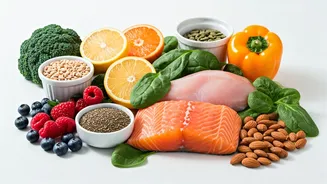
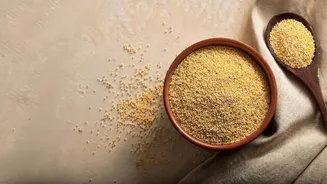
Often overlooked in discussions about iron-rich foods, nuts and seeds are actually fantastic contributors to a vegetarian diet's iron content. Almonds, pumpkin seeds, sesame seeds, and flaxseeds are not only good sources of iron but also provide beneficial healthy fats and protein. Incorporating these as a convenient snack or as a topping for meals can effortlessly boost your iron levels. Their inherent convenience, requiring little to no preparation, makes them an ideal choice for busy individuals. Roasting these seeds can further enhance their flavor and texture, and storing them in a jar allows for easy access to this nutritious iron boost whenever you need it.
Fortified Foods Boost
Iron-fortified foods offer a supplementary avenue for vegetarians to ensure adequate iron intake, particularly when relying solely on natural sources proves challenging. Common examples include breakfast cereals, certain flours, and milk products that have been enriched with additional iron. These products can provide a valuable nutrient boost without demanding significant alterations to your dietary habits. While not intended as a sole source of iron, their inclusion can be a highly beneficial strategy for overall iron sufficiency. Always remember to check food labels carefully to identify products that have been fortified with iron and other essential nutrients.
Timing is Key
While tea and coffee are common daily beverages, their consumption immediately after meals can inadvertently hinder iron absorption. Both beverages contain compounds, such as tannins and caffeine, which can reduce the body's efficiency in utilizing non-heme iron, the type found in plant-based foods. This means that even if you consume iron-rich meals, your body may not absorb the iron as effectively. To optimize iron uptake, it's advisable to wait at least 30 to 60 minutes after eating before enjoying your tea or coffee. Alternatively, opting for warm water or a glass of Vitamin C-rich juice during this waiting period can further support iron absorption.