






Satellite Goes Dark
On March 29, a Starlink satellite, designated 34343, experienced an unspecified anomaly while orbiting roughly 348 miles above Earth, resulting in a complete
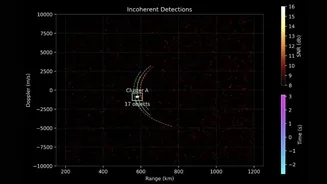
loss of communication. This event occurred at a relatively low altitude. Following an analysis, SpaceX determined that the satellite's demise, even if it broke apart, poses no immediate threat to the International Space Station or the forthcoming Artemis II mission. Furthermore, the incident is not anticipated to impact the Transporter-16 mission, which successfully launched client satellites the following day, March 30. The company's official statement indicated that any trackable debris would be monitored, suggesting the satellite is no longer intact. Satellite tracking firm LeoLabs corroborated this, identifying a 'fragment creation event' involving Starlink 34343 on the same date it lost contact.
Investigating the Cause
This recent loss mirrors a similar incident that occurred on December 17, 2025, involving another Starlink satellite. While SpaceX has encountered satellite issues in the past, preliminary assessments suggest these two recent events were not triggered by external factors like collisions with space debris or other objects. LeoLabs has posited that both anomalies were 'likely caused by an internal energetic source.' The Starlink team is currently engaged in a thorough investigation to pinpoint the precise root cause of these incidents. SpaceX has committed to 'rapidly implement any necessary corrective actions' once their conclusions are finalized, aiming to bolster the resilience of their satellite network.