


The Float Test
A common home test involves placing a small amount of dry rice in room-temperature water. The theory is that plastic rice, being lighter, will float, while
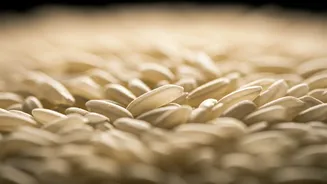
genuine rice sinks due to its higher density. While most rice grains do indeed sink, it's important to note that this isn't a foolproof indicator. Factors like broken grains, extremely dry kernels, or naturally puffed varieties can also cause them to float. Similarly, parboiled or polished rice might behave differently from freshly milled grains. A majority of sinking grains is normal. A few floating grains might simply be broken or hollow. However, if a large proportion floats, it doesn't necessarily confirm plastic contamination but suggests the rice may be of low grade or damaged and should perhaps be discarded or returned.
The Heat Test
Another widely suggested method involves exposing a few grains to heat, either by briefly holding them near a flame with tongs or warming them in a dry pan. This test is based on the premise that synthetic materials react differently to heat than natural starches. The idea is that plastic rice will melt, curl, or emit a sharp, chemical odor, whereas real rice will char, darken, and release a neutral, toasted smell, eventually turning to ash. In reality, genuine rice will scorch and smell like burnt starch. If grains soften into a sticky, glossy mass with a distinct plastic-like odor, this is a significant warning sign. While a blackened grain and toasted aroma are typical for organic matter, a melting, glossy texture coupled with a sharp synthetic smell indicates the rice should not be consumed. It's advisable to keep a sample and report such findings to local food authorities, ensuring adequate ventilation during the test to avoid inhaling fumes.
Cooking Behavior
You can also assess your rice by observing its behavior during the cooking process. The claim is that plastic rice will remain firm or form a rubbery layer on the surface when boiled. However, rice that has been stored for extended periods or has undergone extensive milling might exhibit unusual cooking characteristics. It might require more time to soften, release excess starch, or clump together, sometimes creating a cloudy film on top. These anomalies typically point towards age or processing methods rather than synthetic adulteration. If the rice softens, splits slightly, and has a normal aroma, it's likely fine. But if it remains uniformly hard even after prolonged boiling, smells peculiar, or appears glossy and fused, it’s best not to consume it and to investigate further.
Texture and Crushing
After cooking, a simple texture test involves pressing a single grain between your fingernails or rubbing it against a hard surface. Properly cooked rice generally flattens or smears as its starch components soften. Grains that are undercooked can retain their firmness, and certain naturally high-amylose rice varieties might remain chewy even when thoroughly cooked. Therefore, texture alone is not a definitive measure of authenticity. Evaluating rice quality ideally involves considering multiple factors, such as aroma, grain shape, the clarity of the cooking water, and how uniformly the rice absorbs moisture. A normal cooked grain will mash or flake easily. If it springs back or resists crushing entirely, especially when combined with unusual smells or melting during a heat test, it raises suspicion.
When to Take Action
It's crucial to understand that none of these at-home evaluations can scientifically confirm the presence of synthetic rice. Their primary utility lies in helping you identify compromised rice, such as spoiled or stale stock, rice that has undergone excessive polishing or poor milling, evidence of foreign material contamination, or grains that exhibit abnormal reactions during cooking or heating. If multiple tests suggest something is amiss with your rice, the recommended steps are: do not consume it, preserve the original packaging along with a small sample, and report the issue to your local food safety office or consumer helpline. To prevent future issues, always purchase rice from reputable brands and retailers, check manufacturing dates, and store it properly in dry, airtight containers to avoid spoilage that might mimic signs of adulteration.
Delicious Rice Recipes
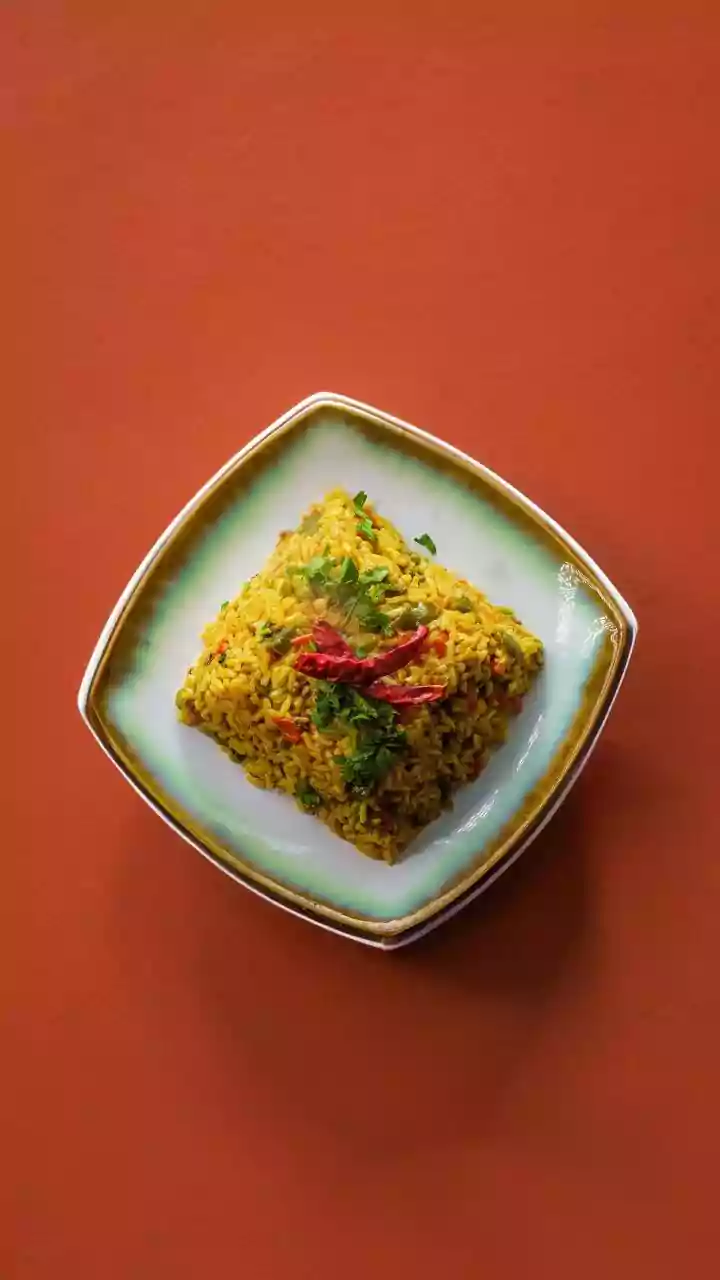
If your rice passes the home checks and appears, smells, and cooks normally, it's time to put it to delicious use! Start with Jeera Rice, a fragrant dish made by sautéing cumin seeds in ghee before adding thoroughly washed and soaked basmati rice. For a hearty meal, Vegetable Pulao is a great choice, involving sautéing aromatic spices and vegetables before cooking with rice. Brighten up your plate with Lemon Rice, where cooked rice is tossed with a tangy tempering of mustard seeds, curry leaves, and lemon juice. For a comforting, cooling option, Curd Rice is ideal, mashing slightly cooled rice with yogurt and tempering it with spices. Finally, Simple Tomato Rice offers a flavorful experience by cooking rice with a spiced tomato and onion base. Each of these dishes celebrates the versatility of rice and can be enhanced with garnishes and side dishes for a complete culinary experience.