





What is Jhalmuri?
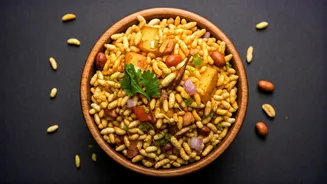
Jhalmuri is a beloved Indian street food originating from West Bengal, particularly Kolkata, and is essentially a spicy mixture primarily composed of puffed
rice. The name itself offers a direct clue to its character: 'Jhal' translates to 'spicy' in Bengali, while 'muri' means puffed rice. This snack is renowned for its dynamic flavor profile, a harmonious blend of tangy, spicy, and savory notes, complemented by a satisfying crunch. It's a quintessential representation of Bengali street culinary culture, offering a quick, affordable, and incredibly satisfying treat that has become synonymous with the bustling city life and vibrant markets of Kolkata. Its popularity extends far beyond its origin, captivating taste buds across the nation with its unique taste sensation.
Origins and Evolution
The narrative of Jhalmuri is intricately woven into the fabric of colonial India, with its origins believed to have emerged in Bengal during that era. While puffed rice itself has a long history of consumption across India, the specific combination and preparation of Jhalmuri are thought to have developed as a street-side innovation, reflecting the region's penchant for bold and sharp flavors. Over the decades, this humble snack has transcended its street food status, gradually finding its way into various other settings. It's now a common sight on train journeys across eastern India, a popular accompaniment on beaches, a staple in college canteens, and has even begun to appear in more upscale cafes. This evolution showcases its adaptability and enduring appeal, moving from the bustling pavements to diverse culinary landscapes while retaining its core essence. The snack's journey mirrors Bengal's own cultural shifts, evolving from a simple street offering to a symbol of regional culinary identity and innovation.
Key Ingredients and Preparation
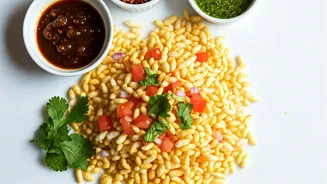
The creation of Jhalmuri is more of an artful assembly than a strict recipe, emphasizing freshness and speed. The foundation is, of course, puffed rice (muri), which is quickly tossed with a drizzle of pungent mustard oil, providing its characteristic sharp aroma and taste. Finely chopped onions and green chilies add a fresh, sharp bite and heat, while small cubes of boiled potato offer a soft contrast. Crispy additions like roasted peanuts and chanachur (a savory, crunchy Indian snack mix) introduce delightful textural variety. A tangy element is introduced through tamarind pulp or a squeeze of lemon juice, balancing the spiciness. A blend of essential spices, including red chili powder, black salt (kala namak), and roasted cumin powder, infuses the mixture with depth and warmth. Finally, a generous garnish of fresh coriander leaves elevates the aroma and adds a final touch of herbaceous brightness. The entire mixture is rapidly tossed just before serving to ensure the puffed rice remains delightfully crisp and doesn't become soggy from the oil and other moist ingredients.
Jhalmuri's Wider Family
Jhalmuri is not an isolated culinary creation; it belongs to a broader and diverse family of puffed rice snacks savored across India, each with its unique regional flair. A well-known cousin is Bhelpuri, originating from Mumbai, which tends to be sweeter and relies more heavily on various chutneys for its flavor profile. In Bengaluru, Churumuri offers a distinct South Indian interpretation, often incorporating grated coconut and local spices. Odisha's Masala Muri presents a simpler, yet equally impactful, version with fewer ingredients but a potent punch of flavor. What distinguishes Jhalmuri within this flavorful lineage is its bold and unapologetic use of mustard oil, which imparts a distinctive pungent depth, and its consistently crunchy texture achieved through precise preparation. These variations highlight the ingenuity and regional diversity of Indian street food, with each puffed rice snack offering a unique taste of its origin.
Interesting Jhalmuri Facts
The distinctive, sharp, and somewhat pungent kick that defines Jhalmuri comes directly from the use of raw, cold-pressed mustard oil, known as 'kacchi ghani'. This specific type of oil contributes a complex, layered flavor that sets it apart from snacks made with milder oils. Demonstrating its global appeal, Jhalmuri has even made its way to international streets; for instance, a British chef named Angus Denoon developed such a fondness for this Kolkata snack that he has been operating a Jhalmuri van in London for over a decade. A crucial aspect of its preparation is timing: each serving is meticulously tossed and prepared immediately before being handed over to the customer. This rapid assembly is vital to prevent the puffed rice from losing its signature crunch by absorbing too much moisture from the oil and various chutneys and spices, ensuring the perfect textural experience with every bite.