







Growth Indicators Explored
Recent data reveals significant aspects of India's economic progress. The country's GDP growth has been a key metric, with fluctuating numbers influenced
by various internal and external events. Investment, both domestic and foreign, plays a crucial role. This section explores how these indicators interact and offer insights into the overall economic health, incorporating recent figures and projections to illustrate the current status. We will also delve into the sectoral contributions, understanding which areas are leading the growth charge and which ones might be lagging.
Investment and Expansion
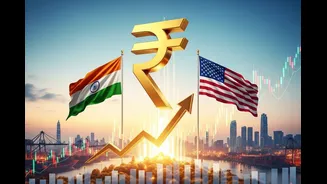
Investment flows, both from within India and from foreign sources, are vital for sustained economic growth. The trends in foreign direct investment (FDI) provide valuable insights into global confidence in the Indian market. Analyzing investment patterns across different sectors gives a comprehensive view of growth opportunities. Government policies and reforms often impact these investment levels, so we look at the effects of such policy changes. This section breaks down recent data on FDI inflows, highlighting major recipient sectors and the overall impact of investment on the economy.
Global Economic Influences
The global economy significantly impacts India's economic performance. Factors like international trade, commodity prices, and global economic cycles directly affect the country. Examining how international trade dynamics influence the nation helps understand how imports and exports contribute to the economy. Changes in commodity prices, especially for energy and raw materials, can significantly alter production costs and inflation rates, which in turn affect the Indian economy. Understanding these interconnections offers valuable context for assessing the economic outlook. This section explores these influences, providing a framework for understanding how global events shape India's economic trajectory.
Sectoral Growth Analysis
India's economy is diversified, with numerous sectors contributing to its growth. Analyzing key sectors such as manufacturing, services, and agriculture provides a detailed view of economic dynamics. The manufacturing sector's performance, including output and employment figures, is crucial for assessing industrial expansion. Growth in the service sector, encompassing IT, finance, and tourism, also drives economic advancement. Additionally, analyzing the agricultural sector, focusing on production, yield, and contribution to GDP, is essential. Understanding these sector-specific contributions enables a complete understanding of India's economic composition. This section assesses the performance of these crucial sectors and explains their individual impact.
Challenges and Risks
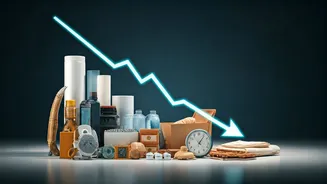
While India's economic growth offers considerable opportunities, specific challenges and risks need careful consideration. Inflation, the rate at which the general level of prices for goods and services is rising, influences economic stability and investment. Managing inflation through monetary policies and fiscal measures is crucial for long-term growth. Other major issues like unemployment, infrastructure gaps, and regulatory hurdles may affect economic advancement. Addressing these requires effective policy interventions and reforms. This section analyzes the main risks and discusses potential policy responses to ensure sustainable economic development and resilience.