





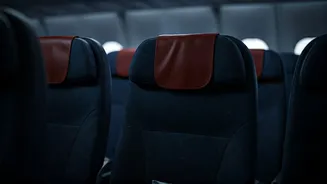

Leave Belongings Behind
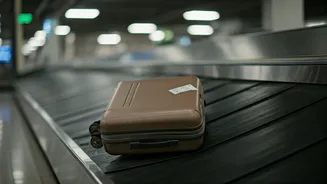
In the chaotic moments of an aircraft evacuation, a paramount rule is to abandon all cabin baggage. This might seem counterintuitive, but carrying your
luggage can have severe repercussions. It significantly impedes your progress, creating bottlenecks in the aisles that slow down everyone behind you. Furthermore, bags can snag on seats and equipment, potentially tearing emergency slides, which are vital for a quick exit. Airlines universally emphasize this directive: prioritize your life over your possessions. Cabin crew will issue clear commands to leave everything; heed them without hesitation. Your swift departure is far more valuable than any item you might retrieve.
Heed Crew Instructions
When an emergency unfolds, the flight attendants are your most reliable guides. They undergo rigorous training specifically for these critical situations and are equipped to manage evacuations efficiently. It is imperative to listen attentively to their instructions, which will be delivered clearly and urgently. Commands such as 'Leave everything!' or 'Jump and slide!' signal immediate action is required. Delaying your response, even for a few seconds, can have a cascading effect, hindering the orderly exit of other passengers. Trust their expertise and react promptly to their directives to ensure the fastest possible egress from the aircraft.
Know Your Exits
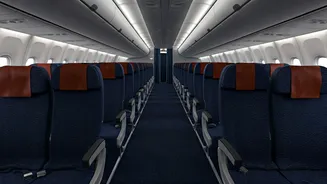
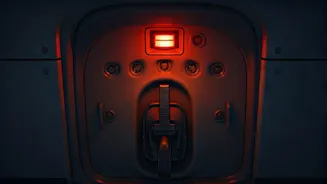
A simple yet profoundly effective safety habit is to mentally map the nearest emergency exits as soon as you board the aircraft. During a real evacuation, conditions can rapidly deteriorate, with visibility severely compromised by smoke or darkness. In such scenarios, your pre-established mental picture of the exit locations can be your lifeline. By counting the rows between your seat and the closest exits, you create a physical reference point. This knowledge allows you to navigate the cabin more confidently and swiftly, even without visual cues, significantly reducing the time it takes to reach safety.
Adopt Brace Position
Should the cabin crew instruct you to adopt the 'brace position,' it's essential to comply without delay. This posture is designed to minimize injuries during an impact. When it's time to exit, the process demands specific actions for maximum efficiency and safety. Upon reaching the door, cross your arms, keep your legs together, and slide down the emergency chute rather than attempting to sit or hesitating at the exit. This coordinated movement ensures a smooth and rapid disembarkation for all passengers, preventing blockages and potential injuries associated with a less controlled exit.
Assist Wisely, Exit Fast
While the instinct to help others in distress is strong, during an evacuation, self-preservation and maintaining the flow of egress are paramount for the collective safety. You may assist children or individuals who clearly need help, but only if doing so does not impede the evacuation process or delay your own exit. The primary goal is to get everyone off the aircraft as quickly as possible. A continuous, unimpeded flow of passengers exiting the aircraft is the most effective way to save the maximum number of lives in a critical situation. Prioritize a rapid and orderly departure for all.