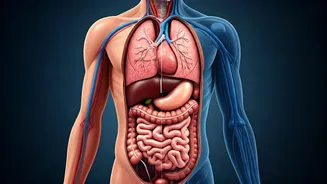








Metabolic Meltdown Begins
The initial 24 hours of water fasting initiates metabolic alterations. The body begins to consume stored glucose, or glycogen, for energy. This process
can trigger symptoms like lightheadedness and fatigue as the body adapts. Simultaneously, insulin levels decrease, and the body starts breaking down stored fat. This fat breakdown releases ketones into the bloodstream, which the brain begins to use as an alternative energy source. The liver also plays a crucial role, working to maintain blood glucose levels through gluconeogenesis, producing glucose from non-carbohydrate sources. This metabolic adjustment is the body’s first response to the lack of food intake and the start of adapting to the fast.
Mid-Fast Transformation
As the fast continues into days two and three, the body becomes more efficient in utilizing fat for fuel. Ketone levels rise, with the brain becoming more accustomed to using them, which can reduce some of the initial symptoms experienced. Autophagy, the body’s natural cellular cleanup process, intensifies. Old and damaged cells are removed, which contributes to cellular repair and regeneration. This phase can lead to increased mental clarity and focus for some individuals, while others might experience continued fatigue. The digestive system takes a break, and the body conserves energy by reducing non-essential functions. This overall shift signifies the body’s adaptation to the fasting state.
Possible Side Effects
Water fasting can bring about several side effects. Common ones include headaches, dizziness, and feelings of weakness, particularly in the beginning. Due to the lack of electrolytes in the diet, electrolyte imbalances can occur, leading to muscle cramps. The body’s metabolism slows down to conserve energy, potentially affecting the heart rate. Digestive issues like constipation can also happen. It is important to pay close attention to the body during a water fast and seek medical advice when needed. Not everyone experiences the same symptoms, but being aware of these possibilities allows one to prepare and respond appropriately.