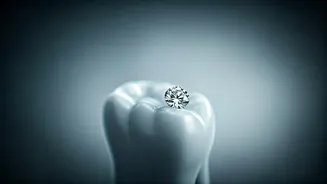







The Diamond Smile Craze
Musician Rishab Rikhiram Sharma recently shared a fascinating detail about his appearance: the installation of diamond embellishments on his natural teeth.
He recounted an encounter with a dentist in Los Angeles who offered to add this unique 'bling' to his smile, explaining that the process was akin to applying braces and that the diamonds, along with two real gems, were removable. Sharma decided to try it out for a period, intrigued by the aesthetic appeal. While this trend might evoke glamour, dental professionals urge a cautious approach to such cosmetic modifications, emphasizing that beauty should not compromise oral well-being. The allure of sparkling teeth is undeniable, but understanding the implications is paramount.
Safety Under Scrutiny
The question of whether dental jewels are safe is a significant one, and experts suggest it hinges entirely on the conditions of application. Dr. Bhumika Madan, a Senior Consultant and Head of Dentistry at Aakash Healthcare, indicates that gems like diamonds can be considered safe, provided they are applied temporarily and by a dentist with the proper qualifications. She stresses that the quality of the materials used and the precision of the application technique are absolutely critical. Without these safeguards, even a seemingly minor cosmetic addition could lead to unforeseen complications, highlighting the importance of professional execution and appropriate material selection in ensuring dental jewelry doesn't pose a risk.
Oral Health Pitfalls
A primary concern surrounding dental embellishments is their impact on maintaining good oral hygiene. Dr. Madan points out that these decorative pieces can create significant challenges in keeping teeth clean. Plaque, a sticky film of bacteria, tends to accumulate around the jewelry, particularly in areas that are difficult to reach with a toothbrush or floss. This buildup can, over time, increase the likelihood of developing tooth decay and gum infections. Furthermore, prolonged wear without diligent cleaning and regular dental check-ups can exacerbate these risks. Even a small piece of dental jewelry, if neglected, can evolve into a source of persistent oral health problems, underscoring the need for vigilance and professional care.
Structural Concerns
Beyond hygiene issues, dental jewelry can also potentially affect the fundamental structure and natural function of teeth. According to Dr. Madan, improper placement or removal of these adornments without professional intervention can lead to enamel erosion. Since tooth enamel does not naturally regenerate, any damage inflicted can be permanent. She further elaborates that larger or inadequately fitted pieces might disrupt the natural alignment of a person's bite. This imbalance can result in discomfort and lead to uneven pressure on the teeth over an extended period, potentially causing further dental issues that require corrective treatment.
Responsible Adornment
While the risks are notable, dental professionals don't entirely dismiss the trend of dental jewelry. Instead, they advocate strongly for a conscientious and responsible approach to its use. Dr. Madan emphasizes that moderation is indeed the key principle. If an individual decides to opt for dental jewelry, it should be for a limited timeframe and always under the guidance and supervision of a qualified dentist. Proper aftercare is equally vital for mitigating potential problems. This includes maintaining exceptional oral hygiene, gently cleaning around the jewelry, and being careful with flossing. Avoiding hard or sticky foods that could dislodge the adornment is also recommended. Any signs of pain, irritation, or looseness should prompt immediate removal by a dentist.