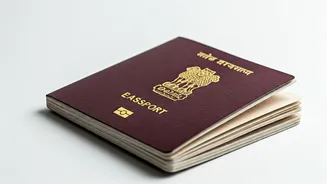

E-Passports Unveiled
E-passports, a significant upgrade for Indian travelers, are now held by one-tenth of all passport holders. These next-generation documents integrate a microchip
containing the holder's personal information, similar to the data found on the physical passport page. This technological advancement allows for quicker and more secure processing at immigration checkpoints worldwide. The embedded chip not only enhances security but also simplifies the verification process, reducing wait times and providing a smoother travel experience. It’s a move towards aligning with global standards, making Indian passports more reliable and efficient for international travel.
Enhanced Security Features
The e-passport significantly boosts security compared to older versions. The embedded chip, protected by advanced encryption, makes it exceedingly difficult for fraudsters to tamper with or replicate the passport details. This technology prevents identity theft and ensures that the passport is authentic. Furthermore, the chip stores biometric data, such as a digital image of the passport holder’s photograph, which provides an additional layer of verification. This multi-layered approach to security provides peace of mind for travelers and also enhances the integrity of India’s travel documents on a global scale.
Faster Processing at Ports
The introduction of e-passports is aimed at streamlining the immigration process. At border control points, e-passport holders can use automated kiosks or e-gates equipped with chip readers. These readers quickly access the chip's information, allowing for faster verification of the traveler’s identity and passport details. This technological feature reduces the need for manual checks, thereby reducing queues and minimizing the time required for immigration processing. The convenience of expedited processing not only helps individual travelers but also contributes to the more effective management of passenger flow at major airports and ports.
Global Travel Benefits
E-passports enhance the travel experience for Indian citizens on a global scale. As more countries adopt e-passport technology, the compatibility of Indian e-passports becomes more vital. The advanced security and verification capabilities offered by e-passports provide a more reliable and secure travel document. This allows Indian passport holders to gain easier access to other countries, ensuring more frictionless and safe journeys. As a result, travel becomes less stressful and more focused on exploring new destinations, experiencing diverse cultures, and fostering international connections.
Digitalization and the Future
The introduction of e-passports is part of a larger trend toward digitalizing government services. The government's push for e-passports shows its efforts to modernize and use cutting-edge technologies. These enhancements facilitate secure and efficient travel while also aligning with global standards. The e-passport initiative represents the starting point of an evolution that could soon include even more digital services and enhanced security for Indian passport holders. This move indicates a commitment to utilizing technology to improve the experiences of citizens.