
The Day's Foundation
Republic Day, observed annually on January 26th, commemorates the enactment of the Indian Constitution, which took effect in 1950. This monumental shift
marked India's transition to a republic, replacing the Government of India Act (1935) as the governing document of the nation. The adoption of the Constitution was the culmination of efforts by the Constituent Assembly, which was formed after India achieved independence from British rule. This pivotal moment established India as a sovereign, socialist, secular, and democratic republic. It signified a complete transformation, providing the legal framework for a self-governed India. This day is a reminder of the core principles of democracy, justice, liberty, equality, and fraternity, which are enshrined in the Constitution.
Magnificent Celebrations
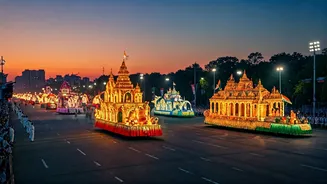
The Republic Day celebrations in India are a spectacular display of the nation's military strength, cultural diversity, and artistic brilliance. The grand parade held in New Delhi is the highlight of the event, showcasing a vibrant procession of the Indian Armed Forces, along with elaborate floats from various states and union territories. These floats vividly depict the cultural heritage, achievements, and development initiatives of each region. The parade, which commences at Rajpath, features a breathtaking flypast by the Indian Air Force, as well as performances by school children and cultural troupes. These impressive displays reflect the unity in diversity that defines India. The celebrations conclude with the Beating Retreat ceremony, a musical extravaganza held on January 29th, marking the official end of the Republic Day festivities.
Distinguished Guests
Every year, India invites a head of state or government from another nation to be the Chief Guest for the Republic Day celebrations. The selection of the Chief Guest holds immense diplomatic significance, providing an opportunity to strengthen bilateral relations and celebrate shared values. This tradition underscores India's commitment to fostering international collaborations. The presence of the Chief Guest adds prestige to the event and serves as a symbol of India's cordial relationships with other countries. The Republic Day celebrations provide a prominent platform for India to showcase its diplomatic ties and cultural exchange with the world. The Chief Guest's participation is a testament to the international standing of India.
Evolving Significance
Over the years, Republic Day has grown in significance, evolving from a mere commemoration to a national celebration that unites the country. The occasion serves as a platform to highlight India's advancements in various sectors, including science, technology, defense, and social progress. It allows citizens to reflect on the nation's journey and reaffirm their commitment to the values enshrined in the Constitution. The celebrations are a testament to the resilience of democracy in India. Republic Day is not just a holiday; it's a vibrant reminder of the nation's past, present, and aspirations for the future. The celebration creates a sense of belonging and reinforces the spirit of national unity among people from various backgrounds and communities.