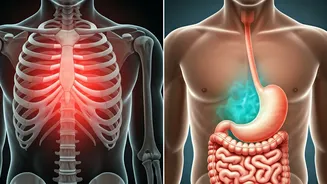








Gas vs. Heart Symptoms
When experiencing chest discomfort, it's natural to worry about heart-related issues. However, common digestive problems like gas and acidity can mimic
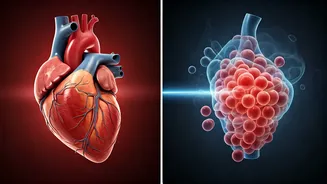
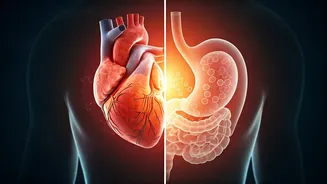
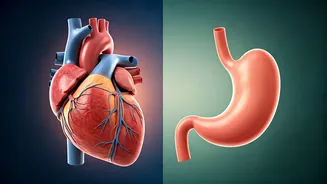
heart attack symptoms, causing confusion. Gas pain is often described as sharp or burning and may improve with actions like burping, passing gas, or moving around. It frequently arises after consuming food. In contrast, cardiac pain typically manifests as a sensation of pressure or tightness in the chest, which can radiate to the arm, jaw, or back. This type of pain is often persistent and may be accompanied by other alarming signs such as profuse sweating, difficulty breathing, or nausea.
Heart Problem Red Flags
Certain symptoms serve as critical indicators that chest pain might be linked to a heart condition and demand prompt medical evaluation. These warning signs include a distinct squeezing or heavy sensation in the chest, pain that extends to the arm, jaw, neck, or back, sudden shortness of breath, profuse sweating, dizziness, and a feeling of nausea. The duration of this pain can also be telling; if it persists for more than a few minutes or occurs during physical activity or stress and subsides with rest, it warrants serious consideration as a potential cardiac issue.
Digestive Discomfort Mimicry
It's not uncommon for individuals to mistake digestive distress for a more serious cardiac event due to the overlap in symptoms. Acidity and gas can indeed provoke chest discomfort, a burning sensation, and pain that travels upwards, leading to significant confusion, especially for those with pre-existing digestive issues. It is strongly advised against assuming any chest pain is merely gas. If your symptoms are severe, persistent, or cause significant concern, it is prudent to seek medical advice to rule out a heart problem.
When to Seek Help
Knowing precisely when to seek immediate medical assistance is crucial, particularly when symptoms suggest a potential cardiac emergency. You should call for help without delay if your chest pain is severe, lasts longer than a few minutes, you experience shortness of breath, break out in a sweat, feel faint, are feeling nauseous, or if the pain spreads to your arm or jaw. It is imperative not to disregard unusual chest pain, especially if you are older or have underlying health conditions such as diabetes or high blood pressure. Self-diagnosis is unreliable; professional medical evaluation is always the safest course of action for unclear or persistent chest pain.