





Kathal's Culinary Appeal
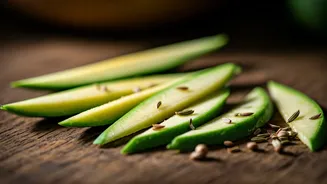
Kathal ki sabji, a beloved Indian preparation, particularly shines during the warmer months when fresh jackfruit is abundant. This versatile ingredient
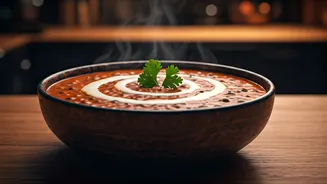
can be transformed into either a luscious, gravy-laden curry or a dry, spice-infused dish. What truly distinguishes kathal is its remarkable ability to mimic a meaty texture, making it a sought-after vegetarian alternative in various cuisines, even featuring in popular dishes like kathal biryani, appreciated by both vegetarians and meat-eaters alike. While many focus on an array of spices to craft this dish, a single, common kitchen staple, besan or gram flour, possesses the remarkable ability to elevate the entire culinary experience of jackfruit curry, significantly improving both its taste and mouthfeel when incorporated thoughtfully.
The Besan Advantage
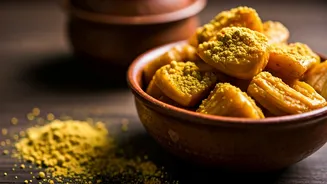
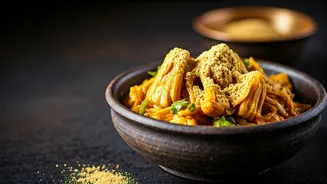
The inherent firmness of kathal means it requires a bit of help to fully absorb and hold onto flavors. While spices contribute warmth and aroma, besan acts as a crucial element, unifying the various components of the dish. Its properties as a natural thickener and binder ensure that the spice mixture, or masala, evenly adheres to every piece of jackfruit, resulting in a more visually appealing and consistently flavorful serving. When gram flour is gently toasted, it unfurls a warm, nutty fragrance that harmonizes beautifully with traditional Indian spices. For gravied versions of kathal sabji, besan imparts a delightful richness without weighing down the dish, while in its dry preparation, it contributes a subtle, pleasing crispness, enhancing the overall enjoyment and satisfaction derived from each bite. This carefully managed interplay between texture and taste is precisely what makes besan an invaluable addition.
Taste and Texture Boost
Incorporating besan into kathal ki sabji offers several key benefits that dramatically improve the dish. Firstly, it contributes to a significantly thicker and richer gravy. This prevents the curry from becoming thin or watery, allowing the spices to cling beautifully to the jackfruit pieces, ensuring flavor in every mouthful. Secondly, roasted gram flour introduces a distinctive nutty and earthy aroma, adding a new layer of depth to the overall taste profile. In dry preparations, the besan provides a delightful light crispness, offering a pleasant textural contrast to the soft jackfruit. Furthermore, this combination of besan and spices can remarkably evoke the taste of mutton curry, appealing to those who enjoy that flavor profile. These enhancements collectively transform a good jackfruit dish into an exceptional one.
Mastering Besan Integration
To successfully integrate besan into your kathal ki sabji, begin by either boiling or lightly pan-frying the jackfruit pieces until they are tender. In a separate pan, heat some oil and sauté onions, ginger, and garlic until they achieve a golden hue. At this precise moment, introduce 1 to 2 teaspoons of besan to the pan. It's vital to roast the besan over a low flame, stirring continuously to prevent burning, until it turns a light golden color and releases its aromatic fragrance. Once the besan is adequately roasted, add your chosen dry spices, stir them in to combine, and then introduce the prepared jackfruit pieces. Continue cooking according to your desired consistency, whether aiming for a dry sabji or a gravy-based curry, to allow the flavors to meld perfectly.