




Inositol's Rising Prominence
Inositol is rapidly gaining attention in the wellness sphere, with its name frequently appearing in discussions about various health concerns affecting
women. Its surge in popularity is not arbitrary but reflects a broader trend toward natural and personalized approaches to health management, especially for conditions like PCOS that have historically been underserved. The global inositol market mirrors this growing demand, projected to reach between USD 160-170 million in 2024-2025 and poised for significant expansion. This growth is largely fueled by an increase in obesity, diabetes, and hormonal disorders, with supplements targeting women facing PCOS and insulin resistance forming a substantial segment of this expanding market. Furthermore, a cultural shift towards plant-based, 'clean label' products and personalized nutrition makes inositol a natural fit for current wellness narratives, moving beyond traditional 'fat-burning' supplements.
Understanding Inositol's Nature
While often referred to as vitamin B8, inositol is not technically a vitamin but a naturally occurring compound found within the human body and common food sources. Experts clarify that inositol and myo-inositol are the forms typically utilized in supplements, particularly for women's health, and function similarly within the body. These compounds are integral to numerous bodily processes, including facilitating cell-to-cell communication and playing a vital role in hormone regulation, most notably insulin. Deepali Sharma, a clinical nutritionist, highlights its importance in signaling between insulin and other cells, while Tanya Khanna explains it as a sugar-like molecule naturally synthesized and used daily for critical cellular signaling. The most commonly supplemented forms, myo-inositol and D-chiro-inositol, are key players in these physiological functions.
PCOS Management Connection
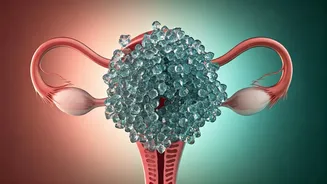
The significant link between inositol and Polycystic Ovary Syndrome (PCOS) stems directly from its capacity to enhance insulin sensitivity. Dr. M V Jyothsna explains that in inositol's role in PCOS management, it acts as an insulin sensitizer, thereby improving the body's response to insulin, a critical element for hormonal equilibrium. This improved insulin sensitivity can lead to more regulated menstrual cycles, a reduction in excessive bleeding, and potentially a decrease in elevated AMH levels observed in women with PCOS. Deepali Sharma corroborates this, stating that inositol is widely used by women with PCOS because it boosts insulin sensitivity, leading to better menstruation and ovulation regulation, and potentially aiding in weight management. By addressing insulin resistance, a fundamental driver of PCOS, inositol targets a core issue rather than merely alleviating symptoms.
Inositol and Weight Support
While inositol is being discussed in the context of weight loss, it's crucial to understand that it is not a direct fat-burning supplement like stimulants or appetite suppressants. Dr. Jyothsna clarifies that while inositol can support weight loss, it is not a standalone solution. Its mechanism involves reducing insulin spikes, helping to control sugar and food cravings, and improving overall sugar metabolism. Deepali Sharma further emphasizes that inositol aids weight loss efforts when integrated with appropriate nutrition and exercise. It addresses a common underlying factor in weight gain for many women: insulin resistance. Clinical studies suggest modest reductions in BMI, particularly when inositol is combined with dietary interventions like calorie restriction or ketogenic diets. Therefore, it facilitates weight management by improving the body's metabolic efficiency, especially when insulin resistance is a contributing factor.
Broader Health Benefits
Beyond its specific applications in PCOS and weight management, inositol offers a range of benefits that extend to metabolic and even mental well-being. Deepali Sharma outlines several key advantages, including enhancing insulin sensitivity, regulating menstrual cycles, and supporting ovulation and fertility. It may also help alleviate bothersome PCOS symptoms such as acne and unwanted hair growth. Furthermore, some individuals report improvements in mood and reductions in anxiety when incorporating inositol. These broader impacts highlight inositol's multifaceted role in supporting overall health and hormonal balance, making it a valuable compound for consideration in various aspects of well-being.
Safety Profile and Precautions
A significant reason for inositol's growing popularity is its generally favorable safety profile when taken as recommended. Mild adverse reactions, such as nausea, bloating, or gastrointestinal discomfort, can occur but are typically mild and often dose-dependent, resolving as the body adjusts. Tanya Khanna notes these gastrointestinal effects are the most commonly reported at higher intake levels. However, certain precautions are advised: long-term use without professional guidance is not recommended, and high doses might lead to headaches or fatigue. Individuals taking medications like metformin, or those with pre-existing thyroid or psychiatric conditions, should consult a healthcare provider before starting inositol supplementation. This ensures its use is appropriate and safe for their specific health circumstances.
Who Should Consider Inositol
Healthcare professionals suggest that inositol may be particularly beneficial for women experiencing PCOS, insulin resistance, or irregular menstrual cycles. However, obtaining advice from a healthcare provider before use is always recommended. Tanya Khanna identifies several groups who could potentially benefit the most: women diagnosed with PCOS, individuals dealing with insulin resistance or pre-diabetes, women aiming to conceive who have irregular cycles, and postmenopausal women who have metabolic risk factors. Conversely, for individuals who maintain a balanced diet and are otherwise healthy, supplementation may not be necessary. The decision to use inositol should be personalized and informed by professional medical advice.