




A Shifting Floral Tapestry
Yosemite National Park transforms into a riot of color from March through August, thanks to its diverse elevations and the gradual melting of snowpack.
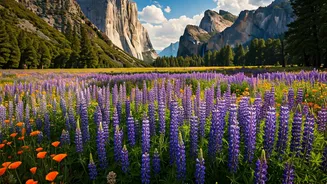
The wildflower season isn't a single event but a continuous progression, with blooms appearing at lower elevations first and gradually climbing higher as the snow recedes. This dynamic pattern means that understanding the timing is crucial for visitors aiming to catch the most spectacular displays. Early spring, often spurred by April's gentle rains, ushers in the first delicate blossoms in the western parts of the park and along the Merced River corridor. As the weather warms, expect to see iconic California poppies, cheerful lupine, bright goldfields, and the charming redbud trees unfurling their petals. This staggered blooming ensures that a significant portion of the park remains visually captivating for months on end, offering a unique experience with each visit throughout the spring and summer.
Peak Bloom Perspectives
Late spring is typically the zenith of Yosemite's wildflower season, offering the most abundant and diverse floral exhibitions. Between May and June, as the last vestiges of winter snow surrender to the sun, the landscape bursts with a new array of blossoms. Visitors during this period can anticipate spotting the ethereal shooting stars, the boldly colored mule's ears, more swathes of lupine, and the elegant western azaleas and dogwood trees in full bloom. As the summer months advance and the famed Tioga Road begins to open, granting access to the park's higher elevations, a different kind of floral beauty emerges. These alpine meadows and slopes come alive with hardy Sierra primrose and more varieties of alpine shooting stars, showcasing nature's resilience and adaptability in challenging environments. This progression from valley floor to mountain peak ensures a continuous spectacle for those eager to explore the park's natural splendor.
Prime Viewing Locations
For those eager to immerse themselves in Yosemite's wildflower displays, several trails offer particularly rewarding experiences. The Cook's Meadow Loop in Yosemite Valley provides a gentle, accessible 1-mile walk. This flat path not only showcases a variety of wildflowers but also offers iconic vistas of Yosemite Falls, Half Dome, Glacier Point, and Sentinel Rock, making it a comprehensive scenic tour. Further south, the Wawona Meadow Loop presents a slightly longer, 3.5-mile circuit that winds through a beautiful meadow, ideal for leisurely wildflower observation. For a more adventurous outing, the Wapama Falls trail in Hetch Hetchy, a 5-mile roundtrip journey, leads to stunning waterfalls and the surrounding floral beauty. Each of these locations provides a distinct perspective on the park's botanical riches, catering to different fitness levels and interests while ensuring memorable encounters with Yosemite's natural artistry.
Springtime Advantages
Visiting Yosemite during the spring wildflower season offers several distinct advantages, including fewer crowds compared to the bustling summer months. This shoulder season provides a more tranquil and intimate experience with the park's natural wonders. Beyond the captivating floral displays, spring is also an optimal time to witness Yosemite's powerful waterfalls at their most impressive, fueled by the abundant snowmelt. The peak runoff for these cascades typically occurs in May or June, creating a dramatic backdrop of roaring water to complement the blooming flora. This combination of vibrant wildflowers and thundering waterfalls makes spring a particularly magical period to explore Yosemite, offering a dual spectacle of nature's power and delicate beauty before the full rush of summer tourism arrives.