





Strength and Stability Gains
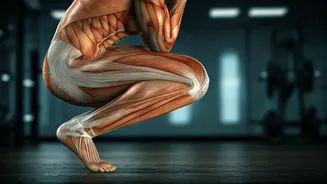
Incorporating squats into your daily routine can profoundly enhance the strength and tone of your lower body, particularly targeting the major muscle groups
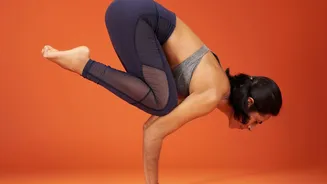
in your thighs, hips, and glutes. This increased muscular power extends beyond aesthetic improvements, making everyday activities like walking, climbing stairs, and bending significantly easier. Furthermore, regular squatting cultivates better balance and stability by training the intricate network of muscles responsible for maintaining body control and posture. As a compound exercise, squats efficiently engage multiple muscle groups simultaneously, contributing to overall physical robustness and improved functional movement.
Posture and Metabolism Boost
Beyond leg development, squats play a vital role in strengthening your core muscles, including your abdominals and back. When performed with proper technique, these muscles work in unison to stabilize your torso, leading to improved spinal support and potentially correcting postural issues, especially for those who spend long hours seated. A robust core can alleviate lower back discomfort by providing better structural support. Moreover, the activation of large muscle groups during squats significantly elevates your metabolic rate, increasing calorie expenditure not only during the exercise but also in the post-workout period. This heightened metabolism, coupled with muscle growth, can be a valuable asset for weight management when integrated with a healthy diet and consistent overall activity.
Mobility and Injury Prevention
The dynamic nature of the squat movement, which involves a controlled bending and extending of the hips, knees, and ankles through their full range of motion, is excellent for enhancing joint mobility. This consistent practice helps combat age-related joint stiffness and maintain flexibility, which are crucial for reducing the risk of injuries. Improved joint health and flexibility supported by regular squats contribute to sustained physical capability over the long term. However, it's imperative that these mobility benefits are realized through precise form and technique, ensuring that the joints are not subjected to undue stress during the exercise. Proper execution is key to unlocking these advantages safely and effectively.
Potential Risks and Precautions
While the advantages of daily squats are numerous, neglecting proper form or adequate recovery can introduce significant risks. Incorrect posture, such as allowing the knees to excessively track forward over the toes, can place undue pressure on the knee joints, leading to strain. Muscles require time to repair and rebuild; failing to incorporate rest days can result in persistent soreness or even overuse injuries. Improper squat technique, particularly rounding the lower back, poses a risk of discomfort and potential injury to the spine. Furthermore, performing the exact same number of squats daily without adjusting intensity or variation might lead to a plateau in progress. Paying close attention to your body's signals and avoiding any sensation of pain is paramount, as pain is a clear indicator to stop, not a sign of pushing through to progress.
Safe Daily Squat Practice
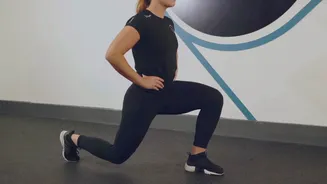
To safely integrate squats into your daily fitness regimen, several key precautions should be observed. Always prioritize maintaining an upright posture with a straight back and lifted chest throughout the movement. Descend into the squat slowly and with deliberate control, ensuring your weight is evenly distributed and predominantly felt on your heels. Critically, never push through any pain; pain is your body's signal to cease the exercise. It is highly recommended to perform a thorough warm-up before commencing squats to prepare your muscles and joints. For beginners, it is advisable to start with a lower number of repetitions and gradually increase them as your strength and endurance improve. Incorporating planned rest days is essential for muscle recovery and preventing overexertion. For those new to squats, a gradual build-up approach is best to ensure safe and effective progression.