



Red Planet Ambitions
While actively pursuing lunar missions with global and private collaborators, NASA remains firmly focused on Mars. A pivotal test scheduled for 2028 aims
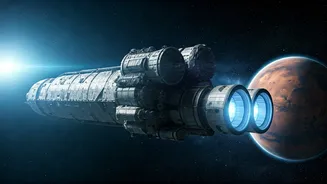
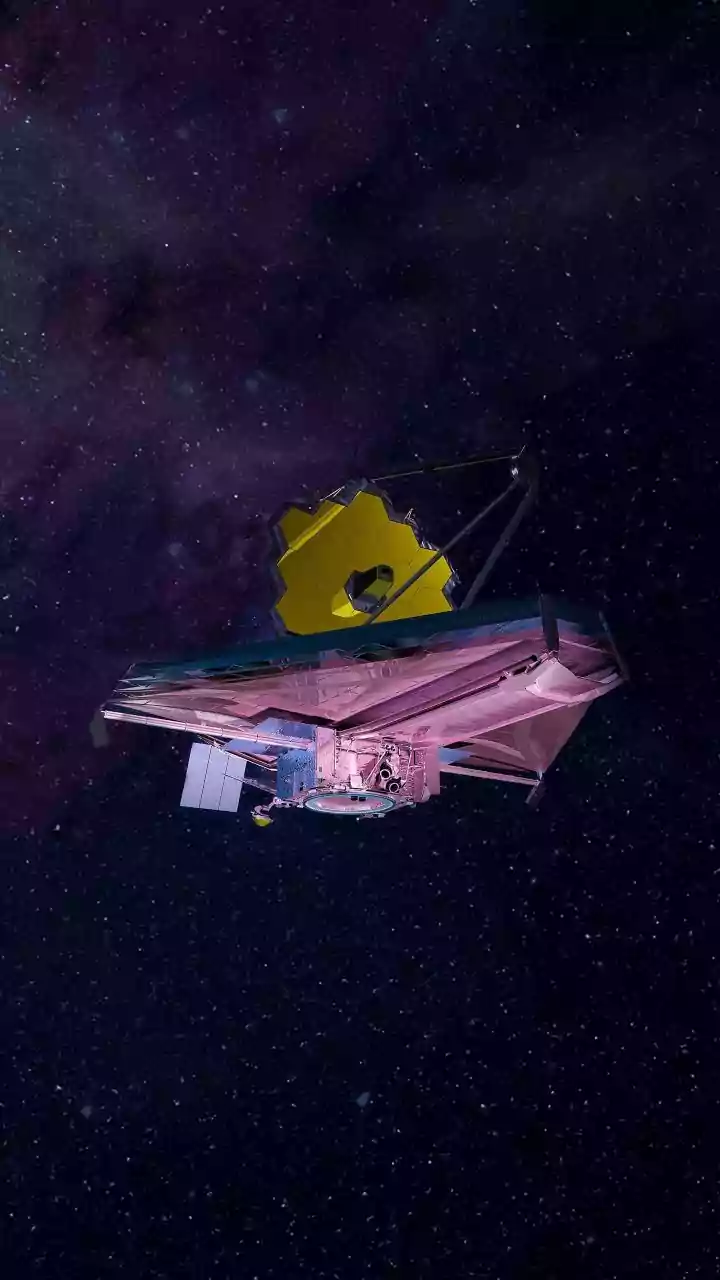
to introduce a revolutionary technology poised to significantly shorten voyages to the Red Planet. This advancement could unlock unprecedented opportunities for exploration and, in the long term, establish human habitats. This initiative centers around the development of Space Reactor-1 Freedom, a nuclear-powered spacecraft tasked with delivering three 'Skyfall' helicopters to Mars. These helicopters, inspired by the successful Ingenuity mission, will serve a crucial role in scouting potential landing zones for upcoming crewed expeditions. This ambitious project is a key component of NASA's technology roadmap, highlighting a strategic investment in the future of deep space exploration and colonization.
Nuclear Electric Power
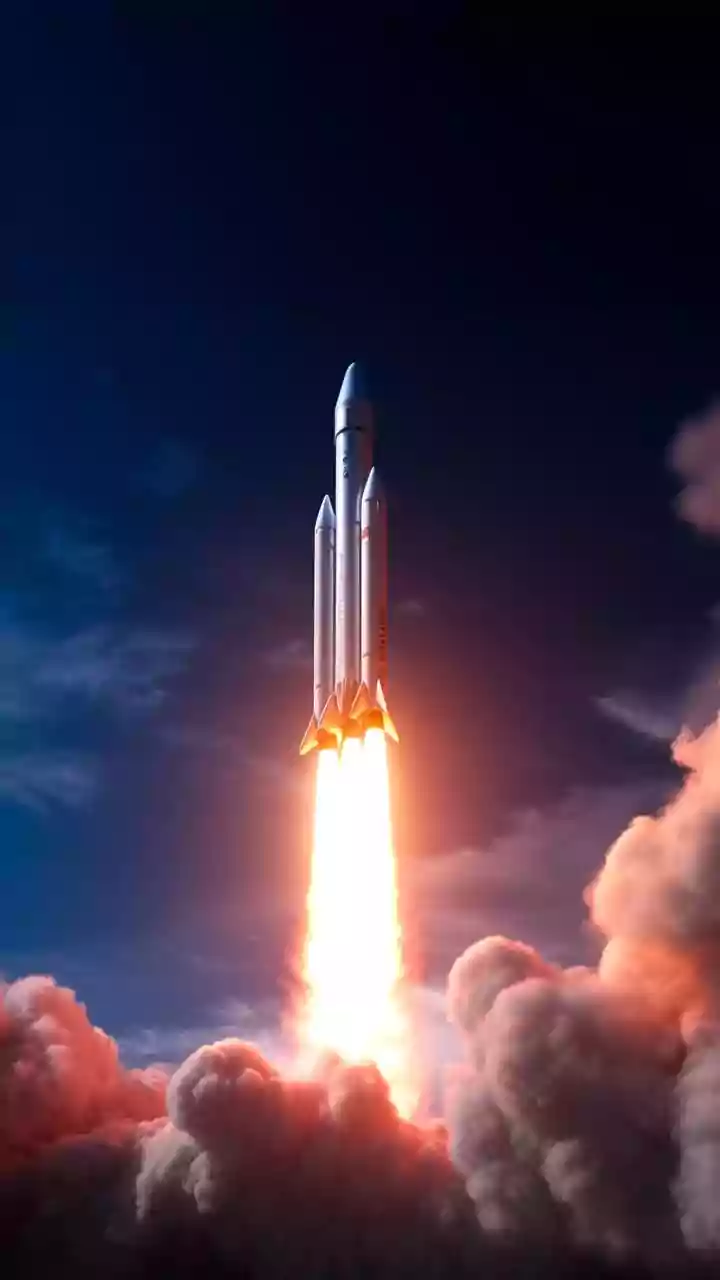
Space Reactor-1 Freedom operates as a nuclear electric rocket, a sophisticated system that ionizes a propellant, like xenon, using electricity. This process generates a consistent, albeit gradual, thrust that, over time, accelerates the spacecraft to speeds exceeding those achievable by conventional chemical rockets. The spacecraft will be initially propelled into orbit by a standard rocket before activating its nuclear electric engine. This approach builds upon NASA's experience with solar-powered electric rockets, such as the Psyche spacecraft, which is currently en route to the asteroid 16 Psyche. A significant advantage of nuclear electric power over solar alternatives becomes apparent in deep space, where the sun's light diminishes considerably compared to its intensity in the inner solar system, making solar reliance less effective.
A Legacy of Nuclear Propulsion
NASA's exploration into nuclear propulsion dates back to the 1960s with the Nuclear Engine for Rocket Vehicle Application, or NERVA program. Although NERVA underwent ground testing, it was ultimately canceled during the Nixon administration as part of post-Apollo budget cuts, despite its envisioned role in enabling Mars missions for astronauts in the 1980s. Unlike Space Reactor-1 Freedom, NERVA was conceived as a nuclear thermal rocket, utilizing its reactor to intensely heat propellant, thereby generating immense thrust for interplanetary travel. The United States revisited the concept of nuclear thermal rockets through programs like Project Prometheus, initiated as part of the Strategic Defense Initiative in the late 1980s and early 1990s. However, these endeavors remained largely conceptual due to a lack of consistent political backing for deep space exploration until recent years.
Renewed Political Support
Fortunately, the current concerted effort to return to the Moon and subsequently venture to Mars benefits from widespread bipartisan support across both the political spectrum and the general public. This favorable climate significantly enhances the likelihood of NASA's initiatives in nuclear technology coming to fruition. This extends beyond spacecraft propulsion to encompass the critical power needs for future lunar bases and Martian settlements. Space Reactor-1 Freedom is projected to complete its year-long journey to Mars and deploy its helicopters upon arrival. Looking ahead, more advanced nuclear electric rockets hold the potential to reduce travel times to Mars to as little as three months, a substantial improvement over the capabilities of chemical rockets. This initial mission serves as a vital prototype for these future advancements.
Journey Time Disparities
The difference in travel times between nuclear and chemical rockets becomes even more pronounced for voyages to the outer planets, such as Jupiter and Saturn. By drastically shortening the transit to Mars, nuclear propulsion can significantly mitigate the risks astronauts face during interplanetary travel, including prolonged exposure to microgravity and harmful radiation. In contrast, current plans like SpaceX's Starship, which relies on chemical rockets for its Mars colonization vision, anticipate a seven-month voyage for future settlers. This extended journey necessitates multiple refueling operations in low Earth orbit before embarking on the arduous trip to an inhospitable planet. The prospect of combining the massive payload capacity of Starship with a nuclear engine could revolutionize interplanetary transport, potentially halving the current travel duration.
Synergy and Future Innovations
The potential for synergy between large-scale vehicles like Starship and NASA's advanced nuclear propulsion systems presents an exciting avenue for future development. Engineers at both NASA and SpaceX are encouraged to explore the feasibility of integrating these technologies. This could involve concepts such as a Starship docking with a nuclear rocket stage provided by NASA before commencing its interplanetary journey. While the engineering challenges associated with the mass of a fully loaded Starship are likely immense, the possibility of significantly reducing transit times is a powerful motivator. Collaborative efforts to first ascertain the technical viability and then commence design and testing could pave the way for nuclear-propelled Starships, a development that could be instrumental in unlocking the solar system for widespread human exploration and eventual settlement.