




Embrace Ingredient Swaps
Professional chefs are masters of adaptation, often relying on resourceful substitutions to achieve desired flavors and textures. The first tip emphasizes
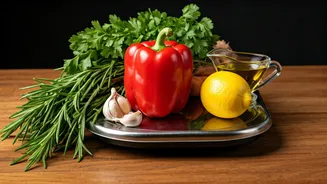
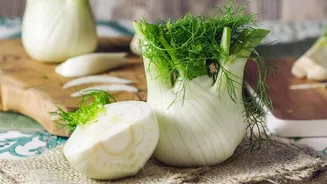
the importance of embracing ingredient swaps, enabling cooks to work with what's available and reduce food waste. Consider swapping ingredients based on what you have on hand. For example, if you're out of a specific herb, another similar herb or a dried version might do the trick. A common swap is using Greek yogurt for sour cream or substituting olive oil for butter in baked goods. By being open to alternatives, home cooks can expand their culinary creativity and make the most of their resources. These approaches not only save money but also inspire improvisation and new flavor combinations, perfect for the average home cook.
Rethink Seasoning Choices
Seasoning is a crucial aspect of cooking, and professional chefs frequently use innovative techniques to maximize flavor impact. One key idea is to become more strategic with your spices. For instance, rather than buying expensive spice blends, chefs will often create their own from individual spices, custom tailoring them to suit a specific dish. This lets you have control over the final flavors of your meals. Another tip involves leveraging herbs and spices in unexpected ways. For example, to add depth to a dish, consider toasting spices before using them. Toasted spices release essential oils, intensifying flavors. These smart seasoning strategies enhance the taste of your food and also allow for greater creative control in the kitchen.
Utilize Vegetable Scraps
Professional chefs are known for their minimal-waste approach, making sure that vegetable scraps don't end up in the trash. A prominent tip is to save vegetable scraps, such as onion skins, carrot tops, and celery ends, to make flavorful stocks. These stocks can then be used as a base for soups, sauces, and stews, adding a depth of flavor that can't be achieved with plain water. This practice not only reduces waste but also provides an affordable, yet flavorful, foundation for various dishes. Alternatively, use vegetable scraps like the stems of broccoli and cauliflower in stir-fries, or blend them into pestos. These are simple but incredibly useful tricks for people wanting to reduce their food waste.
Smart Protein Alternatives
Protein can be an expensive ingredient, and professional cooks have learned to get creative when working with alternatives. For instance, they might swap out expensive cuts of meat for less expensive ones that can be tenderized with marinades or slow-cooking methods. These techniques make tougher cuts just as delicious, using techniques like braising and slow-cooking. Another tip involves incorporating plant-based proteins, such as lentils, beans, or tofu, as meat replacements in stews, chilies, or stir-fries. This approach not only makes meals more affordable but also boosts nutritional value. Skilled cooks also use meat in a supporting role, such as adding a small amount of bacon or sausage to flavor a dish without relying on large quantities.
Clever Dairy Substitutions
Dairy products can be expensive, and professional chefs have developed innovative ways to manage them. One technique involves swapping heavy cream for a combination of milk and butter or using alternatives like coconut milk or cashew cream to add richness to dishes. This can reduce the amount of saturated fat. Another tip involves using dairy products strategically, like a small amount of parmesan cheese to add umami. Another trick is to make sauces and soups creamy using pureed vegetables or starchy ingredients like potatoes. These alternatives provide similar textures and flavors while reducing reliance on dairy and contributing unique layers of flavor.
Utilize Pantry Staples
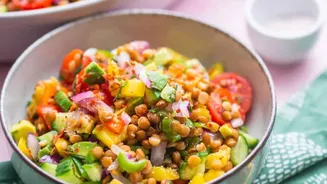
Professional chefs rely heavily on pantry staples to build dishes. These are ingredients that offer versatility and can be incorporated into a wide variety of meals. For example, a chef might use canned tomatoes as a base for sauces or stews, or use a variety of beans and lentils. Dried pasta is a perfect choice, as it's shelf-stable and can be combined with almost any sauce or protein. In addition to these ingredients, chefs often keep items such as rice, quinoa, and other grains available to build quick, satisfying meals. These staples are not only affordable and shelf-stable but also provide building blocks for creative and healthy cooking.
Master Egg Techniques
Eggs are a versatile and cost-effective ingredient, and professional chefs often use clever techniques to get the most out of them. A useful tip involves using eggs as a binder in meatballs or meatloaf, or as a base for custards and sauces. Eggs are also crucial for thickening sauces. Chefs are also known for finding creative ways to use leftover egg yolks, like making homemade mayonnaise or aioli. Scrambled, fried, or poached, eggs can be a cornerstone of quick and nutritious meals. Knowing how to use eggs in different ways helps cooks get the most from a single ingredient, making them a kitchen essential.
Embrace Frozen Foods
Frozen foods can be a lifesaver for professional chefs who need to prepare quick, convenient, and cost-effective meals. A key tip is to stock up on frozen vegetables, which can be added to soups, stir-fries, or pasta dishes, saving both time and money. Another tip involves using frozen fruits for smoothies, sauces, and desserts. Frozen fruits and vegetables are often frozen at the peak of ripeness, retaining maximum nutrients and flavor. Frozen meals can offer a good solution for busy schedules. By using the freezer effectively, professional cooks can prepare meals efficiently without compromising on taste or quality.
Get Creative with Leftovers
Professional chefs have mastered the art of transforming leftovers into new and exciting dishes, minimizing food waste. For example, leftover roasted chicken can be used in salads, soups, or tacos. Vegetables from a previous meal can be used in frittatas or omelets. Another tip involves planning meals with leftovers in mind, cooking slightly more than needed to ensure ingredients are available for the following day's meals. Chefs transform ingredients into completely new meals. This approach not only saves money but also minimizes food waste, allowing for creative cooking with what's available.
Plan and Organize
Effective planning and organization are crucial for professional chefs, maximizing resources and reducing waste. One useful tip is to create a weekly meal plan that incorporates ingredients in multiple dishes. For example, if you're making roasted chicken for dinner, you can use the leftover chicken in sandwiches or a salad the next day. Preparing ingredients in advance, like chopping vegetables, can save time and streamline the cooking process, allowing you to quickly assemble meals throughout the week. Planning includes carefully checking the pantry and refrigerator before shopping, ensuring that you purchase only what you need and preventing food waste. This approach provides an organized kitchen and less stress while cooking.