



Lunar Lander Development
The journey towards lunar exploration for Blue Origin has reached a critical juncture with the successful testing of its pioneering lunar lander, dubbed
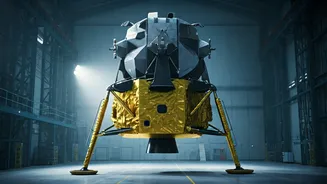
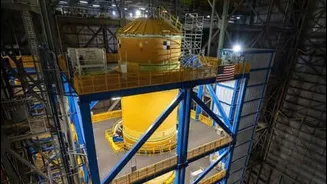
"Endurance." This uncrewed craft represents the initial phase of the "Blue Moon" program, with a more advanced "MK2" version intended to carry astronauts in the future. "Endurance" is a key player in NASA's ambitious Artemis initiative, which aims to re-establish a human presence on the Moon. The spacecraft recently completed rigorous testing at NASA's Johnson Space Center in Houston before being transported to Blue Origin's Florida facilities. There, it entered "Lunar Plant 1" for vital radio frequency compatibility assessments, ensuring that its communication systems will function flawlessly in the lunar environment without interference. This phase is paramount for mission success and underscores the meticulous preparation required for interplanetary travel and the ultimate goal of supporting long-term lunar habitation.
Artemis Mission Goals
NASA is setting its sights on a monumental lunar touchdown for the Artemis program, targeting 2028 for the first crewed landing on Artemis 4. Before either Blue Origin's "Blue Moon" or SpaceX's "Starship" can be certified to transport astronauts to the lunar surface, a series of stringent qualifications must be met. A primary requirement is a successful uncrewed landing, a feat Blue Origin aims to achieve with "Endurance" later this year. Beyond the landing itself, the spacecraft must prove its capability in autonomous navigation, a critical skill for navigating the lunar terrain. Furthermore, it needs to demonstrate proficiency in cryogenic fuel transfer and prolonged storage, essential for extended missions. Finally, the lander must prove its ability to successfully ascend back into lunar orbit, completing a full mission profile. These extensive evaluations are designed to ensure the utmost safety and reliability for future crewed endeavors.
Payload and Partnerships
As part of its mission profile, the "Endurance" lander will carry two distinct science demonstration payloads specifically designed for NASA's Commercial Lunar Payload Services (CLPS) program. This initiative runs parallel to the Artemis program and fosters collaborations with private companies to deliver scientific instruments and technology demonstrations to the Moon. The CLPS program is instrumental in advancing the technologies necessary to support future long-term lunar habitation missions involving astronauts. By integrating these payloads, "Endurance" will contribute valuable data and insights, paving the way for more complex and sustained human presence on the lunar surface. The success of these demonstrations is crucial for the overall advancement of lunar exploration capabilities.
Launch Readiness Factors
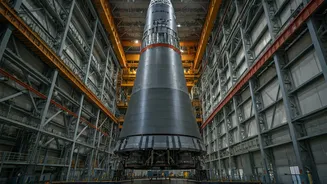
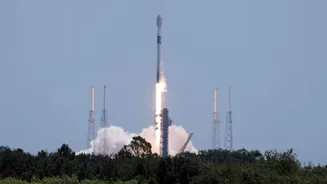
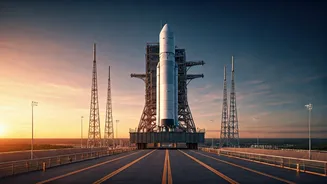
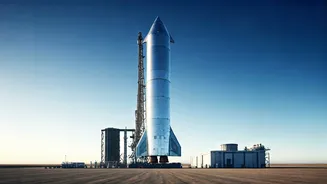
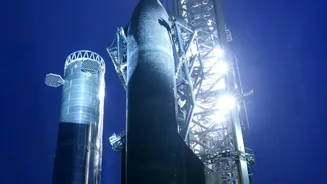
The prospect of "Endurance" launching into space before the end of 2026 hinges on its performance during the remaining tests and the absence of any unforeseen anomalies. Blue Origin is diligently working through these pre-launch assessments. Compounding the timeline is the current grounding of Blue Origin's "New Glenn" rocket, the intended launch vehicle for the lander. This grounding is a direct result of an ongoing FAA investigation into a second-stage failure during the rocket's most recent mission. While SpaceX's "Starship" boasts a more advanced development timeline with 11 test launches completed, it has yet to achieve a full orbit around Earth and faces a similar set of developmental hurdles as "Blue Moon." The readiness of either lander for the Artemis 3 mission, targeted for late 2027, remains contingent on their successful completion of these critical qualification phases, with NASA indicating flexibility to fly with whichever vehicle is deemed ready at the time of launch.