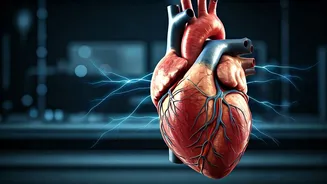








Mind-Body Connection
Stress is often mistakenly confined to the realm of the mind, but it is fundamentally a physical event. When faced with a stressful situation, the brain
triggers the release of potent hormones such as cortisol and adrenaline. This initiates a cascade of bodily responses, including an elevated heart rate, heightened muscle tension, and a diversion of resources away from digestion. These physiological reactions are designed for short-term emergencies, equipping the body to confront or flee perceived dangers. However, when stress becomes a persistent companion, this alarm system fails to disengage. The body remains in a perpetual state of heightened alert, as if the threat has never truly passed. This continuous activation prevents the body from returning to its natural state of equilibrium, leading to a chronic state where the body essentially 'forgets' what genuine relaxation feels like, maintaining a baseline of vigilance.
Internal Systems Unsettled
From a psychological and neurobiological perspective, the notion of the body remembering stress is more than a metaphor; it highlights the profound integration of our stress response systems. As explained by experts, encountering stress activates the hypothalamic-pituitary-adrenal (HPA) axis, prompting the release of cortisol and associated hormones crucial for adaptation. While beneficial in acute scenarios, prolonged or recurring stress prevents this system from resetting. Instead, it recalibrates, leading to an accumulation of cortisol spikes. This cumulative effect, termed 'allostatic load,' represents the body's total wear and tear from persistent stress. High levels of cortisol can compromise the immune system, disrupt sleep patterns, destabilize metabolism, and negatively impact cardiovascular function. Furthermore, chronic stress can alter key brain regions like the amygdala, hippocampus, and prefrontal cortex, fundamentally changing how fear is processed, impairing memory, and distorting decision-making. These neurological changes can persist long after the stressor is removed, creating lasting impacts on cognitive function and emotional regulation.
Allostatic Load's Toll
The term 'allostatic load' is utilized by medical professionals to quantify the cumulative physiological damage resulting from repeated exposure to stress. It can be likened to continuously overworking a mechanical system, where prolonged strain eventually leads to wear and tear on its components. Extensive research underscores the detrimental effects of chronic stress on various bodily systems, including immunity, metabolism, and cardiovascular health. Scientific findings indicate a strong correlation between sustained stress and the development of chronic conditions such as hypertension, heart disease, obesity, and type 2 diabetes. These health issues typically emerge gradually over time, often without pronounced early warning signs, as the body silently endures the ongoing stress.
Delayed Symptom Onset
An individual might experience a highly stressful period in their younger years, seemingly recovering fully afterwards. However, years or even decades later, they may begin to experience unexplained physical symptoms. This temporal disconnect occurs because the body has been subtly compensating for the past stress. The nervous system remains in a state of mild overactivity, hormonal balances are slightly off, and a low-grade, persistent inflammation may be present. As noted by psychologists, these physiological adjustments can persist even after the original stressful event has concluded. The nervous system may remain hypersensitive, reacting to minor triggers like sudden noises or crowded environments. This can manifest years later as chronic fatigue, persistent pain, digestive disturbances, or unexplained swelling. What appears to be a new health concern is often a delayed manifestation of an unresolved stress response that the body has been carrying.
Body's Subtle Cues
Stress that has become embedded within the body rarely announces itself with dramatic, immediate symptoms. Instead, it often presents through subtle, easily overlooked indicators. These may include persistent fatigue that isn't alleviated by rest, frequent headaches or muscle tension, recurring digestive discomfort without a clear medical cause, difficulties falling asleep or waking up feeling unrefreshed, and an increased sensitivity to everyday stimuli such as loud noises, crowds, or pressure situations. These symptoms are not random occurrences but rather are signals that the body is still burdened by past stress. Recognizing these subtle signs is the first step towards healing and restoring balance through awareness, therapeutic interventions, and consistent lifestyle adjustments.
Unlearning Stress Patterns
The positive news is that the body's response to stress is not an immutable condition. It possesses a remarkable capacity to relearn states of safety and equilibrium, though this process requires time and consistent effort. Experts emphasize that while stress leaves a physiological imprint, it is not necessarily permanent. Through therapeutic modalities, body-focused regulation techniques, and supportive lifestyle modifications, the brain and body can gradually re-establish a sense of safety. This allows the stress response system to recalibrate, leading to a softening of exaggerated reactions and an overall improvement in health. Therefore, consistent, small-scale actions—such as prioritizing regular sleep, engaging in physical activity, seeking therapy, practicing mindful breathing, and cultivating emotional awareness—are more impactful than attempting quick fixes. These practices contribute to a gradual resetting of the body's systems.