






The Copra Conundrum
One of the most frequently questioned prohibited items in air travel is copra, or dry coconut. The primary reason for its strict ban, both in carry-on
and checked baggage, is its exceptionally high oil content. This oil makes copra highly flammable, posing a significant fire risk if exposed to the heat typically present within an aircraft's cabin or cargo hold. Aviation authorities err on the side of caution, recognizing that any flammable material can escalate into a serious emergency under flight conditions. Therefore, to ensure the safety of all passengers and crew, copra is definitively not permitted on any flight.
Power Sources and Electronics
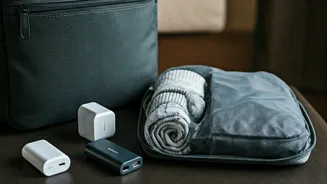
The proliferation of electronic devices brings with it a set of strict regulations for batteries and power banks. Loose or spare batteries, along with power banks and lithium-ion or lithium metal cells, can be a fire hazard if they become damaged, short-circuit, or overheat. Due to this potential danger, these items are exclusively allowed in hand baggage, where they can be more easily monitored by passengers and cabin crew. This contrasts with checked baggage, which offers less direct oversight. Battery-powered wheelchairs and other mobility aids also fall under specific rules. These often utilize wet batteries, and any damage during transit could lead to acid leakage, which is corrosive and can damage aircraft equipment. While passengers can bring these essential devices, they are typically transported in the cargo hold under controlled conditions.
Flammable Gases and Devices
Items containing compressed gases, such as cartridges and lighters, as well as electronic cigarettes (e-cigarettes), are also strictly prohibited from being carried onto an aircraft. The risk associated with these items stems from their highly flammable nature. In the event of accidental damage during the journey, there's a significant risk of explosion. This potential for catastrophic failure makes them a clear safety concern for aviation. Therefore, for the protection of everyone aboard, these volatile items are not permitted in either cabin or checked baggage. Air travel necessitates the removal of any item that could present an immediate and severe threat due to its combustibility.
Mercury and Sharp Objects
Certain medical equipment, particularly those containing mercury such as thermometers or barometers, are also subject to restrictions. If these fragile instruments were to break during transit, the mercury could leak and spread throughout the aircraft. Mercury is not only hazardous to health but also corrosive, capable of causing damage to sensitive aircraft components and equipment. Consequently, such items are generally not allowed. Furthermore, the cabin environment is kept free from potential weapons and sharp implements. This includes items like knives, scissors, Swiss army knives, and even toy replicas of firearms and ammunition. Additionally, objects like whips, nunchucks, batons, or stun guns are also prohibited to maintain a secure and safe flying experience for all passengers.