





Honey's Sugar Identity
When scrutinizing honey for a strictly sugar-free diet, it's crucial to understand its fundamental composition. Clinical experts clarify that honey is,
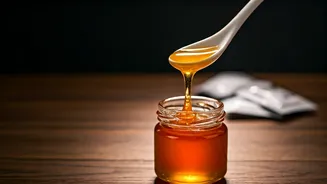
in essence, a form of sugar, primarily composed of simple sugars: glucose and fructose. This makes it a substance that individuals committed to eliminating all sugars from their diet are typically advised to bypass. However, the landscape shifts slightly for those aiming to reduce rather than completely eradicate refined sugars. For this group, a modest inclusion of genuine, organic honey, consumed mindfully, might be permissible. While it boasts a few antioxidants and trace minerals that refined sugar lacks, providing a marginal nutritional advantage, it should never be considered a free pass. Even a few tablespoons of the most natural honey should be accounted for as an added sugar within a balanced dietary plan.
Healthier Than Refined Sugar?
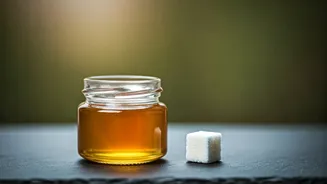
The perception of honey as a healthier alternative to refined sugar is common, and there are valid reasons for this view. Its less processed nature means it retains small amounts of beneficial nutrients like potassium, calcium, and iron, offering a slight edge over granulated sugar. Furthermore, honey generally possesses a lower glycemic index compared to table sugar. This implies that it may cause a more gradual increase in blood sugar levels. However, it's vital to remember that honey remains a simple carbohydrate. Consequently, excessive consumption can still lead to weight gain and metabolic disturbances, underscoring the need for moderation, even when choosing honey over more heavily processed sweeteners.
Impact on Blood Glucose
Like all sweet substances, honey is quickly metabolized by the body into energy. Its content of glucose and fructose directly influences blood glucose levels, leading to an increase, although typically at a more measured pace than refined sugar or jaggery. For individuals focused on managing their sugar intake or controlling blood sugar fluctuations, this characteristic necessitates careful attention to portion sizes. From a metabolic perspective, the body treats honey similarly to other sugars. Therefore, diligent portion control is paramount to integrating it into a diet, especially when aiming to reduce overall sugar consumption or manage health conditions related to blood sugar.
Sweet Alternatives to Explore
The most sustainable approach to reducing sugar intake isn't always about finding a direct substitute. Instead, the focus should be on gradually diminishing the overall craving for intensely sweet flavors. For those seeking sweetness in their diet, natural low-calorie options like Stevia or Monk fruit can be viable choices. Alternatively, incorporating naturally sweet ingredients such as dates, mashed bananas, or apple sauce into recipes can provide sweetness without relying on added sugars. Enhancing flavor profiles with spices like cinnamon, cardamom, or vanilla extract can also add a perception of sweetness and depth, aiding in a more enduring reduction of sugar consumption.