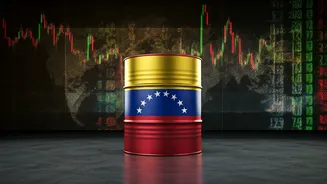

Venezuela's Return to Market
The oil market experienced a reaction as Venezuela restarted its oil shipments. This development contributed to a stabilization of prices, as the increase
in supply eased some of the upward pressure that had been present. The resumption of Venezuelan exports indicates a potential shift in the global oil supply landscape. This shift could lead to decreased concerns regarding supply deficits. The overall effect was a temporary equilibrium, with prices not rising as sharply as anticipated. This event highlighted the delicate balance between supply and demand that dictates the behavior of the oil market.
Iran's Geopolitical Concerns
Concerns surrounding Iran's involvement in the oil market exerted a subtle influence, maintaining some upward pressure on prices. The geopolitical uncertainty linked with Iran's oil production and exports introduces instability into the global market. These worries encompassed potential supply disruptions due to international sanctions and political tensions. Market participants continuously monitored these developments, factoring in the potential for supply constraints and adjusting their positions accordingly. The ongoing situation in Iran added a layer of complexity to the overall market dynamics, which contributed to the cautious sentiment among traders.
Supply & Demand Dynamics
The interaction between supply and demand is fundamental to how oil prices move. The re-emergence of Venezuelan oil shipments has increased the available supply. At the same time, the consistent demand from global consumers exerts an ongoing upward influence on price points. The balance between these elements determines short-term price movements. Any changes in the supply or demand, whether due to events such as the resumption of exports or political tensions, produce corresponding shifts in market prices. Market participants regularly assess the supply-demand balance and adapt to the current trends.
Impact on Investors
Changes in oil prices directly impact investment decisions, which makes it vital for investors to monitor these market signals. The pause in price gains, due to events such as Venezuelan shipments, gives investors a chance to reassess their positions. The geopolitical circumstances in Iran introduce a degree of risk that investors must factor into their strategies. Those following the market need to understand the underlying drivers and the potential influences on future price movements. Investors often react by modifying their holdings or hedging against volatility to manage risks and capitalize on opportunities.
Future Market Outlook
Forecasting the oil market involves considering various factors to anticipate future price changes. Continuous monitoring of supply dynamics, including production levels and disruptions, is crucial. Examining the geopolitical situations, particularly in regions such as the Middle East, helps predict potential supply impacts. Furthermore, assessing demand patterns based on economic growth, consumer behavior, and seasonal fluctuations adds to the understanding of the market. The interplay of these forces means the oil market remains complex, which requires consistent awareness to be successful.