
Economic Milestone Approaching
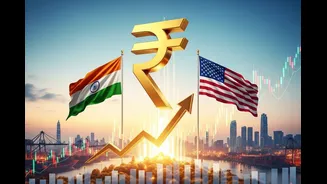
Recent analyses suggest that India is on track for impressive economic advancements. The State Bank of India (SBI) predicts that India will transition
into an upper-middle-income economy by the year 2030. This shift signifies a substantial improvement in the country's economic standing, indicating increased prosperity and a higher standard of living for its citizens. Furthermore, the SBI report projects that India will become the third-largest economy worldwide by 2028. This would mark a significant leap, positioning India alongside the world's economic giants. These projections highlight the potential for robust growth and underscore India's rising influence on the global stage, attracting increased international investment and cooperation as it takes its place as a major economic power. The progress reflects a combination of strategic economic policies, demographic advantages, and a thriving entrepreneurial landscape.
Driving Factors Examined
Several key factors contribute to India's anticipated economic ascent. A crucial element is the country's demographic dividend, fueled by its large and youthful population. This provides a substantial workforce for various industries, fostering productivity and innovation. Moreover, ongoing economic reforms, including initiatives to streamline business processes, attract foreign investments, and boost infrastructure development, play a vital role. The government's focus on digital transformation and technological advancements further strengthens economic expansion. Sectors like manufacturing, services, and digital technologies are experiencing rapid growth, creating ample opportunities for employment and income generation. Increased domestic consumption, supported by rising incomes and a growing middle class, is also a vital factor, stimulating demand and driving economic activity. As a result, India is expected to maintain its position as one of the fastest-growing major economies globally in the foreseeable future.
Impact and Implications
India's expected economic rise has significant implications for its population and global standing. Achieving upper-middle-income status will lead to enhanced living standards, better healthcare, and improved educational opportunities for millions of Indians. Simultaneously, the country's ascent as the third-largest economy will increase its influence on international affairs. It will have a more prominent role in global trade, finance, and diplomacy. This heightened status is likely to attract substantial foreign investment, which will further accelerate growth and promote technology transfer. However, this growth also comes with challenges. India will need to focus on inclusive growth, ensuring that the benefits of economic progress reach all segments of society, and address issues like income inequality. Furthermore, it will need to manage environmental sustainability to balance economic progress with environmental protection. Effective governance, robust institutional frameworks, and sound macroeconomic policies will be crucial to successfully navigating the challenges and unlocking the full potential of India's economic transformation.