






A Shocking Incident
A disturbing event in Mumbai's Pydhonie district has cast a shadow of fear over a beloved summer fruit. Following the reported deaths of four members of the Dokadia
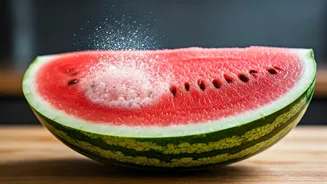
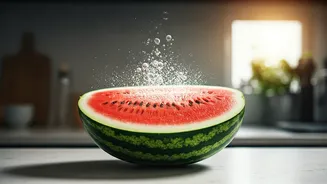
family, allegedly after consuming watermelon, public anxiety surged. This incident quickly led to widespread apprehension, turning a simple seasonal treat into a source of suspicion for many. Amidst this growing concern, a video clip featuring a Marathi actor, Shashank Ketkar, alongside a political figure, surfaced online. The video showcased a freshly cut watermelon exhibiting a peculiar fizzing and bubbling action, which rapidly ignited widespread speculation on social media. This visual evidence fueled fears that consumers might be unknowingly ingesting contaminated fruit throughout the summer season, amplifying the existing panic.
The Science of Fizz
Contrary to alarming social media narratives, the effervescence observed in some watermelons is typically a natural biological process. When naturally occurring bacteria or yeasts penetrate the fruit's flesh, they begin to metabolize the sugars present, producing carbon dioxide gas. This gas, trapped within the fruit's structure, can lead to bubbling, foaming, or a fizzy sensation upon cutting. The warm Indian climate significantly accelerates this process, as does the extended transit time watermelons often undergo before reaching consumers. Without consistent refrigeration, the fruit's internal environment becomes conducive to rapid spoilage, making natural fermentation a more common occurrence, especially during hotter months. This phenomenon is a sign of overripeness or decomposition rather than artificial tampering.
Debunking Chemical Myths
The recurring rumor of watermelons being injected with chemicals to ripen them faster or enhance their appearance lacks substantial evidence. Food safety experts consistently state that large-scale chemical adulteration of this nature has not been proven. While occasional instances of fruit tampering can occur, the fizzing and unusual appearance in most cases are attributable to natural spoilage. Overripeness, where the fruit's cellular structure begins to break down, is the most frequent culprit. These natural processes, amplified by heat and time, create the visual and textural anomalies that are often misinterpreted as signs of chemical contamination. Therefore, the common belief that a fizzy watermelon is necessarily chemically treated is largely unfounded.
Smart Selection Tips
To ensure you select a fresh and ripe watermelon, several visual and tactile cues can be relied upon. Look for a distinct creamy yellow or dull white spot on the rind; this indicates that the melon ripened properly while resting on the ground. A pale or bright white spot might suggest it was picked prematurely. When comparing two watermelons of similar size, opt for the one that feels heavier, as this typically signifies higher water content and juiciness. A gentle tap on the rind should produce a deep, hollow sound, which is characteristic of a ripe fruit. Conversely, a dull thud might mean it's either underripe or overripe. These simple checks can significantly increase your chances of picking a delicious and safe watermelon.
Trust Your Senses
Once you have cut into a watermelon, relying on your senses becomes paramount for determining its edibility. Pay close attention to the aroma; any scent that is sour, alcoholic, or otherwise unusual warrants discarding the fruit. The texture provides further clues: if the flesh appears mushy, overly sticky, or excessively foamy, it's a clear indication that the watermelon has begun to spoil. As discussed, visible bubbles or a fizzy sensation are also strong signals to avoid consumption. In the unfortunate Mumbai incident, the exact cause of the tragedy remains under investigation, and it's crucial to note that it may involve factors beyond simple fruit spoilage. Until official findings are released, maintaining a degree of caution and heeding your sensory perceptions are the best safeguards.