





Coffee Machine Conundrums
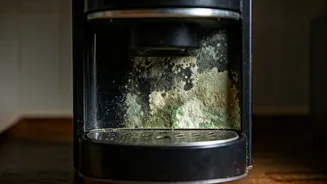
That daily cup of joe might come with an unwelcome guest. Coffee machines, with their warm, moist interiors and residual organic matter, are ideal breeding
grounds for mold spores. Water reservoirs and drip trays are particularly susceptible, trapping moisture and residue that can lead to slimy textures or visible mold growth, especially under lid components. To combat this, experts advise emptying and air-drying these parts after each use. Regular disassembly, washing with hot, soapy water, and thorough drying once a week is crucial for preventing unwelcome brews.
Seals and Gasket Grim
The rubber seals on blenders, travel mugs, and even refrigerator doors, while essential for preventing leaks, also create a perfect environment for mold. Their nooks and crannies trap moisture and organic material, making them difficult to clean and dry completely. Dark specks within the rubber or in lid creases are telltale signs of mold. Even pink or orange buildup, though often bacterial or yeast, signals a hygiene issue. Regular wiping, carefully pulling back folds during cleaning, and ensuring complete dryness are key. If mold persistently returns or the rubber is damaged, replacement is the safest course of action.
Dish Rack Dangers
Ironically, the place where dishes go to get clean can often be one of the dirtiest. Dish racks remain damp for extended periods without proper cleaning, fostering mold growth. The drip trays beneath them can accumulate standing water, food particles, and soap residue, creating stagnant conditions. Signs of trouble include dark specks, a musty odor near the sink, slime on the tray, or discolored buildup. To prevent this, empty and clean drip trays after every use, wash racks and trays weekly, and ensure thorough drying. Allowing adequate airflow by not overcrowding the rack also helps.
Sponge's Spore Secret
Kitchen sponges are notorious for harboring mold. Their porous nature, constant dampness, and retention of food particles make them incredibly difficult to decontaminate fully once wet. Experts strongly recommend replacing sponges immediately if they develop an odor or feel slimy, as porous materials cannot be completely sanitized. For a cleaner alternative, consider using brushes that can dry upright or dishcloths that are washed and thoroughly dried after each use. Ditching the sponge can significantly reduce mold exposure.
Plastic Container Peril
Those reusable plastic containers might be hiding more than just leftover meals. Scratches, grooves, and the design of snap-on lids can create small crevices where mold can thrive and spread unnoticed. Similarly, plastic cutting boards with deep cuts can retain moisture and organic matter that scrubbing alone cannot eliminate. To mitigate this, always clean and thoroughly dry containers and cutting boards before storing them. If a container or board is heavily scratched or scored, it's best to replace it rather than risk persistent contamination.
Fridge Dispenser Flaws
The convenience of refrigerator water and ice dispensers can sometimes lead to hidden mold issues. The nozzles, drip pans, and internal filters can accumulate moisture and airborne spores, creating an environment for mold growth. Over time, filters can become saturated with gunk, turning from a solution to part of the problem. Visible slime, dark spots near the dispenser, musty odors, or off-tastes in the water or ice are warning signs. Regularly changing filters according to manufacturer recommendations and cleaning dispensing areas, drains, and drip pans, ensuring they are dry, is essential.
Wooden Block Blight
Wooden knife blocks, along with wooden utensils and cutting boards, present unique challenges for mold prevention. The dark, crumb-filled interiors of knife blocks, combined with residual moisture, create an ideal habitat for spores to colonize undetected. Scratches and cracks in wooden surfaces can trap moisture and food debris, allowing mold to spread beneath the visible surface. When wood starts to retain odors instead of releasing them, it's a sign that it may have passed its prime. Regularly shaking out knife blocks, washing wooden tools immediately after use, and drying them thoroughly before storage are crucial steps. If wooden items are persistently stained, warped, or musty, replacement is recommended.