






Christmas Island's Red Tide
Prepare to be amazed by the annual red crab migration on Christmas Island, an event of unparalleled natural spectacle. As the monsoons arrive, millions
of these vibrant red crustaceans embark on a remarkable journey from the island's interior forests towards the coast to reproduce. This incredible mass movement effectively turns the land into a flowing crimson carpet, with crabs covering roads, beaches, and even crossing rivers in their determined march. It's a breathtaking display of nature's power and a crucial part of the island's ecosystem, transforming the landscape into a vibrant, living spectacle that draws nature enthusiasts from around the globe, eager to witness this synchronized exodus firsthand. The sheer scale of this migration is a testament to the island's importance as a sanctuary for these unique creatures.
Galápagos' Colorful Scuttlers
Journey to the volcanic shores of the Galápagos Islands, a living laboratory of evolution, and you'll encounter the striking Sally Lightfoot Crab. These brilliantly colored crustaceans, often sporting hues of red, orange, and blue, are a common sight, gracefully navigating the rugged, dark lava rocks that line the island's coastlines. Their agility and vivid appearance make them an iconic part of the Galápagos seascape, darting across the volcanic terrain with remarkable speed. Observing these crabs adds another layer of wonder to the already extraordinary biodiversity of this renowned archipelago, showcasing adaptation in a truly unique environment where they play a vital role in the intertidal zone's ecological balance.
Havelock's Coconut Crunchers
Venture into the lush, tropical rainforests and pristine beaches of Havelock Island, an Andaman gem, to find one of the largest terrestrial arthropods in the world: the Coconut Crab. These formidable crustaceans are renowned for their immense strength, particularly the astonishing power of their claws, which they famously use to pry open the tough shells of coconuts. Their presence on the island is a marvel of adaptation, showcasing how these creatures have carved out a niche in a terrestrial environment. Their ability to climb trees and access this unique food source makes them a fascinating subject of study and a truly unforgettable sight for any visitor exploring the island's verdant interior and sandy fringes.
San Juan's Dungeness Grounds
Explore the rich marine environment surrounding the San Juan Islands in the Pacific Northwest, a region celebrated for its abundant Dungeness Crab populations. These highly sought-after crustaceans typically inhabit the sandy, muddy bottoms of the ocean floor, where they forage for food. The Dungeness Crab is not only a prized delicacy for seafood lovers but also a cornerstone species within the local Pacific Northwest ecosystem, playing a critical role in maintaining the health and balance of the marine food web. Their prevalence makes the waters of the San Juan Islands a key destination for both commercial fishing and recreational crabbing, embodying the region's strong connection to its marine resources.
Sundarbans' Muddy Treasures
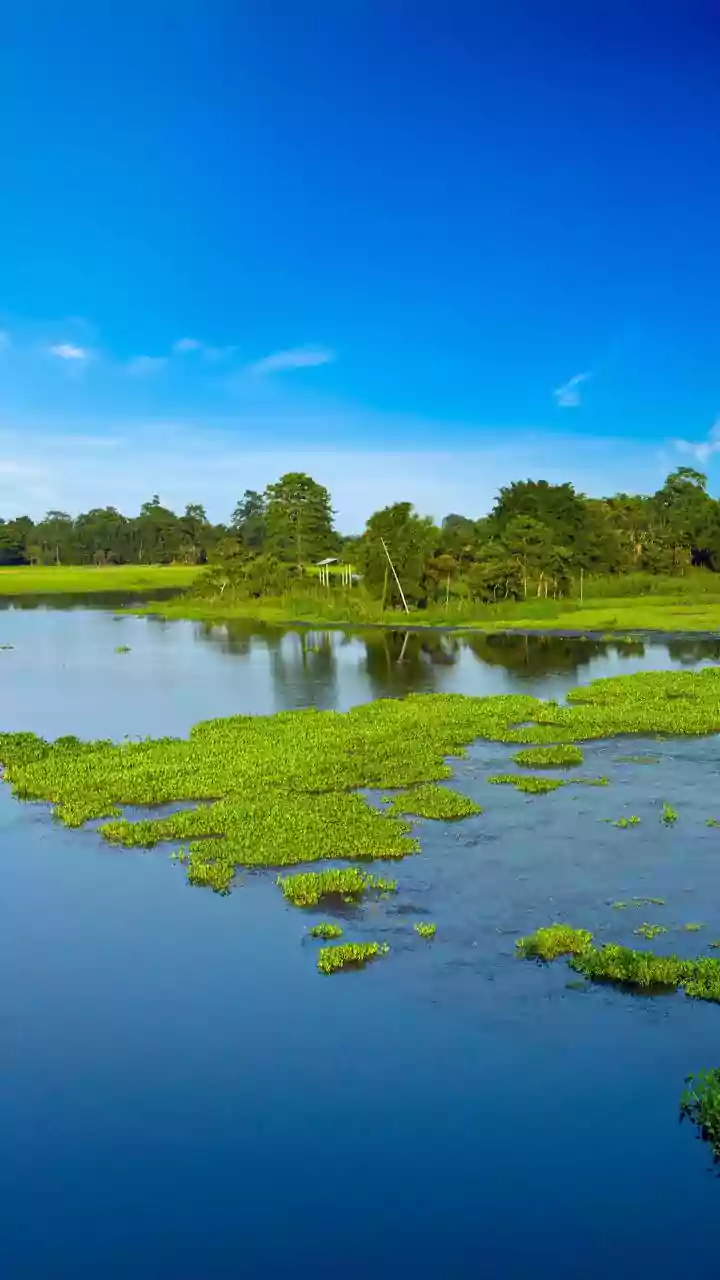
Delve into the intricate maze of mangrove swamps that define the Sundarbans, a UNESCO World Heritage site straddling India and Bangladesh, and discover the highly prized Mud Crab, scientifically known as Scylla Serrata. These crustaceans flourish in the brackish, muddy tidal creeks that crisscross the dense mangrove forests, an environment perfectly suited to their needs. The Mud Crab is an integral part of the local fishing culture and economy, representing a significant source of livelihood for the communities that call this unique delta home. Their presence underscores the ecological richness and the profound human reliance on the Sundarbans' complex and vital wetland ecosystem.
Chesapeake's Blue Jewel
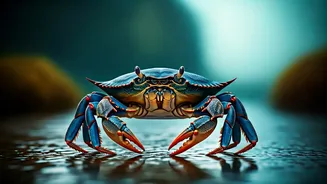
The Chesapeake Bay, a vast estuary on the Atlantic coast of the United States, stands as a globally celebrated mecca for the iconic Atlantic Blue Crab. This region is synonymous with its vibrant crab fisheries and a deeply ingrained seafood culture, making it an unparalleled destination for experiencing wild crabs. The blue crab is more than just a culinary staple; it's a symbol of the bay's ecological health and the traditional way of life for its inhabitants. From the bustling seafood markets to the picturesque crab shacks dotting the shoreline, the bay offers an immersive experience into the world of this beloved crustacean, solidifying its status as a premier location for crab enthusiasts.