






Mega Textile Parks Announced
The introduction of Mega Textile Parks is a central element of the government's forward-thinking approach to bolstering the textile sector. These parks
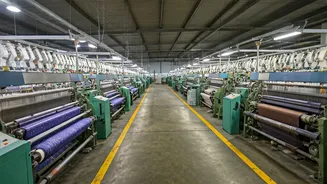
represent more than just physical spaces; they are envisioned as integrated ecosystems designed to encompass every stage of the textile value chain. The ambition is to create modern infrastructure, improve logistics, and offer plug-and-play facilities that enhance efficiency for manufacturers. The government aims to attract investment, which subsequently drives job creation and generates increased economic activity within the textile industry. By consolidating various aspects of the textile business within these parks, from fiber production to finished goods, the government expects to streamline operations and enhance the overall competitiveness of the Indian textile sector in the global market. This initiative is designed to be a catalyst, drawing in significant capital and fostering innovation across the textile value chain.
Focus on Traditional Crafts
In addition to the Mega Textile Parks, the government placed a special emphasis on the preservation and advancement of traditional crafts. This facet of the strategy acknowledges the cultural heritage embedded within India's textile traditions, alongside the economic importance of supporting artisans. The intention is to provide structured backing that helps traditional artisans not just sustain their crafts but also grow them, making them more visible and competitive in modern times. This commitment could manifest through financial aid, the establishment of training programs, or the marketing of products to reach wider markets, thereby helping preserve these unique forms of artistic expression for coming generations. Supporting these traditional crafts helps to bolster local economies. It also highlights the government's commitment to inclusive economic development, where age-old skills get recognition and support, playing a vital part in India's broader economic and cultural narrative.
Five-Pronged Strategy Unveiled
The government's multifaceted strategy consists of five key pillars, designed to provide a comprehensive framework for the development of the textile industry. The first of these focuses on infrastructure, including both the construction of Mega Textile Parks and improvements in transport networks to aid the efficient movement of raw materials and finished goods. The second pillar is centered around technology and innovation. It looks toward supporting research and development in textiles, and adopting technologies to enhance productivity and quality. Third, the emphasis is on skill development to equip the workforce with the skills needed for the evolving textile industry. The fourth aspect is trade and market access, with attempts to create favorable trade conditions and increase exports. Finally, the strategy addresses financial assistance and incentives, which aim to draw in investment and assist businesses.
Boosting Economic Growth
The primary goal of these strategies is to substantially contribute to economic growth in India. By bolstering the textile sector, the government expects significant advancements in manufacturing output, along with an increase in exports. This in turn will generate employment, boost incomes, and stimulate economic activity in many regions. The establishment of Mega Textile Parks is designed to act as catalysts for investment, pulling in funds and resources from both domestic and foreign sources. Concurrently, support for traditional crafts not only preserves cultural legacies but also provides new avenues for economic advancement, especially in rural areas where these crafts are usually concentrated. The plan is designed to make the textile sector a major driver of India's overall economic progress, making it more globally competitive and adding to the country's economic strength.
Modernizing the Industry
Central to the government's plan is the modernization of the textile industry. This involves not only technological upgrades, but also comprehensive improvements in infrastructure, workforce capabilities, and market access. Through the establishment of modern textile parks, businesses have access to state-of-the-art facilities and efficient supply chains. The drive to integrate new technologies, such as automation, will also enhance productivity and quality control. Investing in worker training and skills development will ensure that the workforce is ready for these changes. The goal is to bring the Indian textile industry in line with international standards, helping it to adapt and thrive in a fast-evolving global marketplace. Such modernization is crucial for the long-term sustainability and global success of the sector.