






A Haven for All
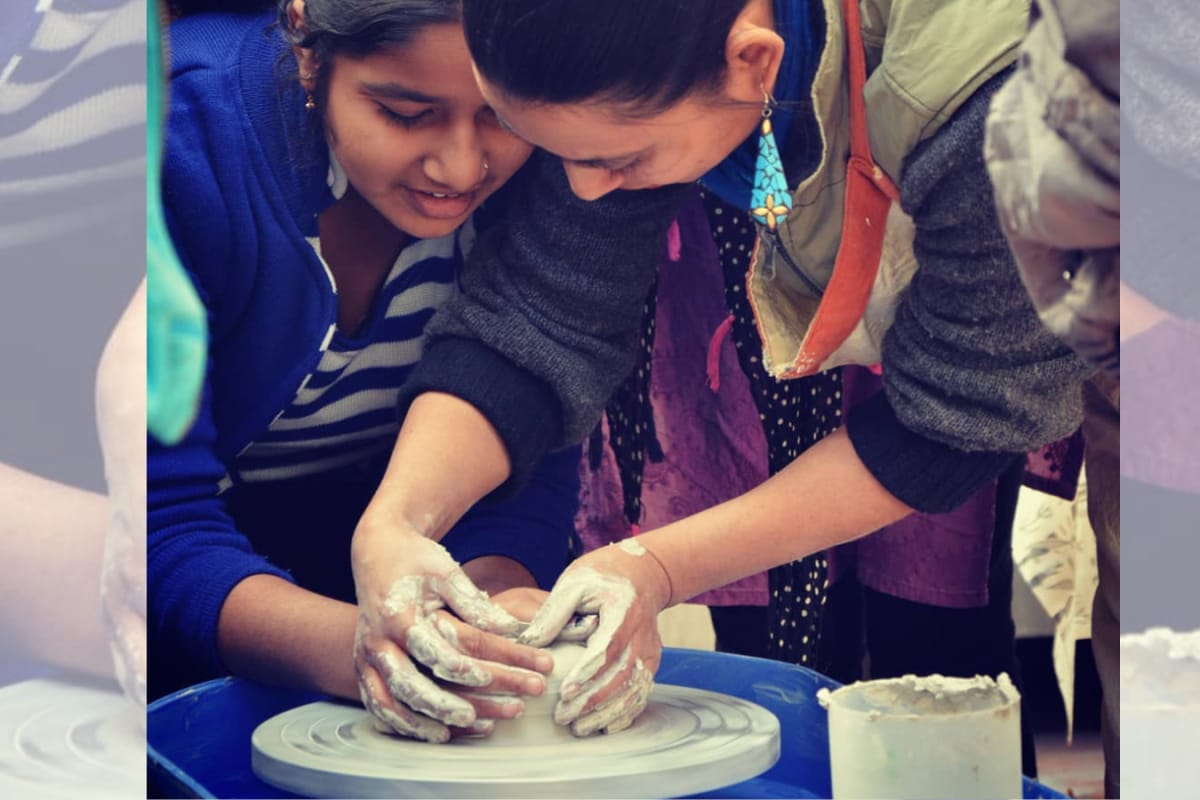
Pottery studios are drawing in a diverse crowd, from busy professionals seeking a respite from high-pressure careers to seniors looking for social connection
and a sense of purpose. It's a practice that transcends age and background, uniting individuals through the shared experience of hands-on creation. The initial engagement with clay, regardless of individual motivations—be it relaxation, a creative outlet, or skill development—serves as the universal starting point. This inclusive appeal highlights the fundamental human need for tangible interaction and a break from the relentless pace of contemporary existence. Professionals, in particular, are increasingly drawn to weekend workshops, recognizing the profound impact of slow crafts in counteracting the constant bombardment of information and digital stimuli that keep our nervous systems perpetually on alert. This practice offers a much-needed counterpoint to the digital age, providing a sanctuary of focused, unhurried activity.
The Science of Serenity
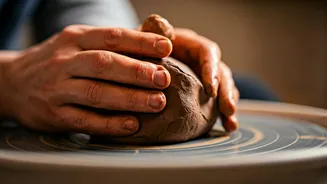
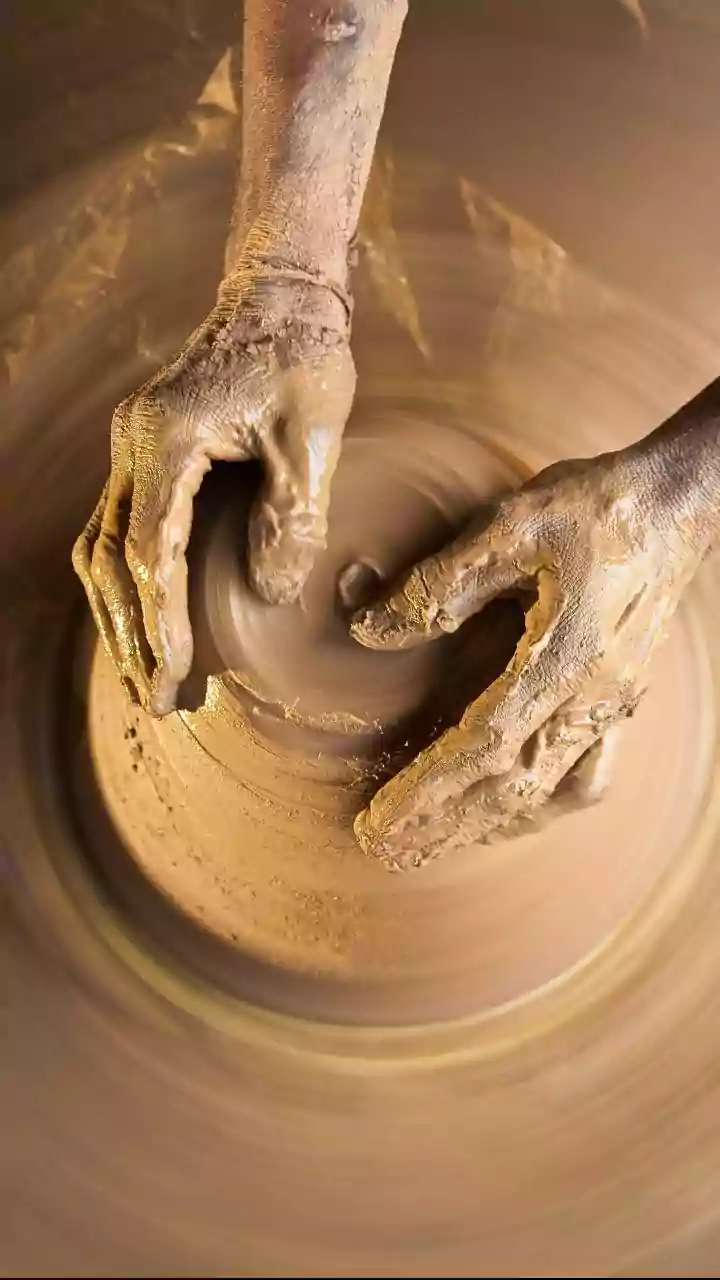
The calming effect of pottery stems from its ability to engage our nervous system in ways that modern life often neglects. As psychologist Rochelle D’Souza explains, our brains are constantly overstimulated by notifications, scrolling, and an endless flow of information, keeping us in a perpetual state of low-level stress. Pottery, conversely, acts as a powerful regulator. The repetitive, tactile nature of working with clay—the kneading, shaping, and smoothing—sends calming signals to the brain. This physical engagement encourages mindfulness, shifting our focus away from anxious thoughts and toward the present moment. This immersion creates a 'flow state,' a deeply absorbing experience where anxiety diminishes, attention sharpens, and the mind finds a profound sense of calm and clarity. It’s an antidote to overthinking, anchoring us firmly in the tangible reality of the clay.
Embracing Imperfection
A core lesson learned in pottery is the liberation found in imperfection. Clay is an unpredictable medium; pieces can collapse, shapes can tilt, and creations can crack. While this unpredictability might initially feel frustrating, especially for beginners, it ultimately teaches a valuable lesson in letting go of the pursuit of flawless outcomes. As studio founders emphasize, there's no need to be an artist or to aim for perfection. The beauty lies in the process itself, in learning from mistakes, and in allowing the material to guide the creation. This shift in perspective, from focusing solely on the finished product to appreciating the journey of making, fosters patience, resilience, and a deeper connection to the act of creation. It's about the hands-on experience, the mindful engagement, and the quiet satisfaction of bringing something into being, regardless of its ultimate form.
Bringing Clay Home
For those whose schedules make regular studio visits challenging, the practice of pottery can be readily adapted for home environments. Hand-building techniques, such as rolling and shaping clay with one's hands, are intuitive and accessible. A few foundational sessions or simple guidance are often sufficient to begin creating independently. This accessibility transforms pottery from a mere hobby into a personal practice, a reliable resource to tap into whenever a moment of calm is needed amidst daily routines. Even small, simple pieces crafted at home can provide those essential moments of quiet creativity. The art of making by hand reconnects individuals with the tactile world, the satisfaction of process, and the profound, grounding calm that comes from engaging with the earth's elements.